Let a museum be the day's main event
A major collection such as the Uffizi or Accademia is easier to appreciate when you have not scheduled another major collection immediately afterwards. Choose the work or period that matters to you, check admission arrangements and leave room to finish without watching the clock. The historic center is compact, but that does not remove queues, security procedures or the mental effort of looking closely at art.
Afterwards, walk toward a nearby square and have a proper break. Around the cathedral and Piazza della Signoria, the city offers an abundance of architecture without another ticket. Avoid blocking narrow pedestrian routes for photographs, and remember that a church may be a working place of worship as well as a visitor attraction.
Cross the Arno with a destination in mind
The Oltrarno lies across the river and changes the pace of the visit. Santo Spirito and the streets around it are a useful starting area, with a square, local businesses and an architectural setting that rewards time on foot. Choose a public route rather than seeking access to private courtyards or workshops that are not open to casual visitors.
Palazzo Pitti and the gardens nearby can become substantial visits in their own right. Do not describe them to yourself as a quick addition to an already full museum day. If you want an outdoor interval instead, a shorter neighborhood walk may be enough. The southern side also rises toward viewpoints, so check the terrain before treating every attraction across the river as equally easy to reach.
Notice the spaces between destinations
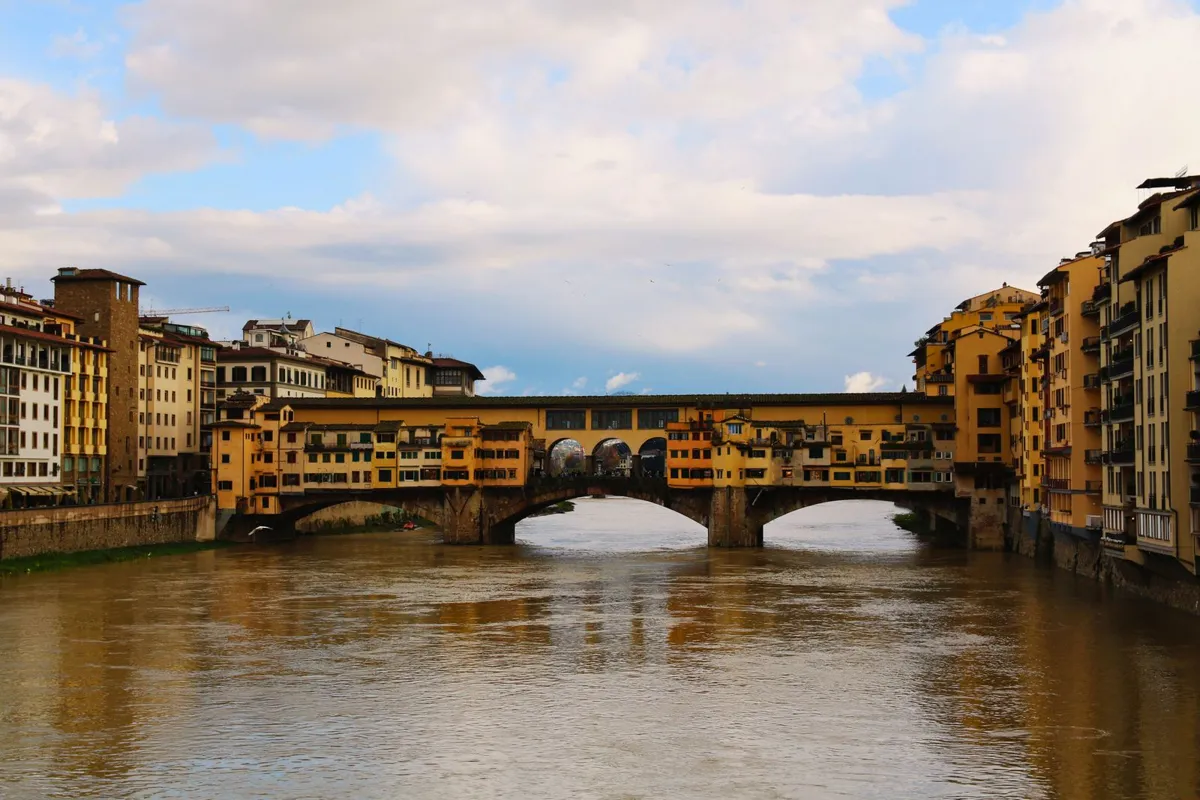
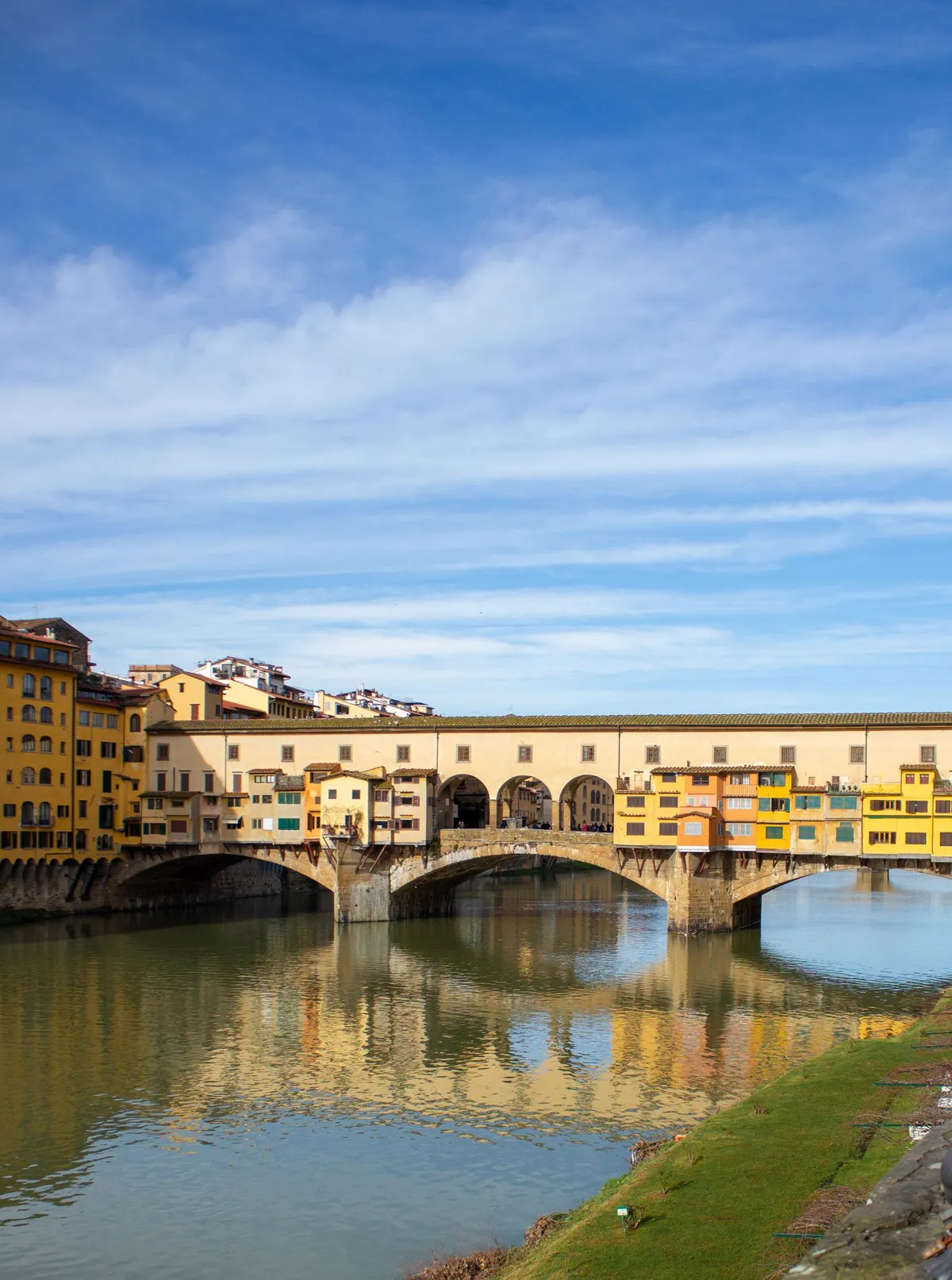
Walking along the Arno provides a clearer view of the relationship between the two banks than repeatedly crossing the busiest bridge. Select a short section that leads toward lunch or your accommodation. River-edge sunshine and traffic can make the walk less sheltered than a map suggests, so adjust the route to the weather rather than completing it out of obligation.
Rain is a good reason to extend a café pause or choose one smaller indoor visit, not to turn Florence into an all-day museum competition. In fine weather, leave an unbooked afternoon for streets, shops and a square where you can sit. This balance allows the city's art to stay connected to its urban setting instead of becoming a sequence of isolated interiors.