 City Guides
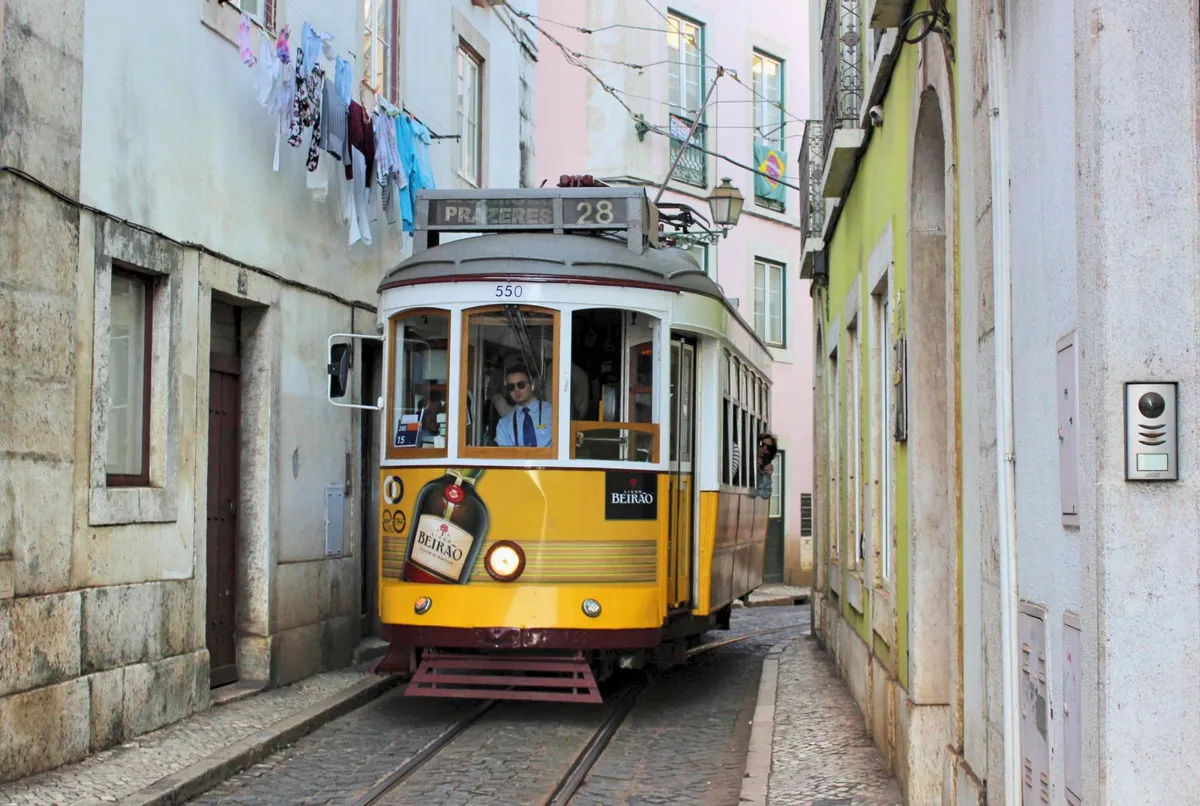
A First Visit to Lisbon Without Rushing
Lisbon becomes easier to understand when you separate its lower streets, hillside neighborhoods and western waterfront instead of trying to connect every landmark in one walk.
Read the guide ↗Find your bearings with neighborhood-sized days, useful geographic distinctions and room between major sights.
City GuidesLisbon becomes easier to understand when you separate its lower streets, hillside neighborhoods and western waterfront instead of trying to connect every landmark in one walk.
Read the guide ↗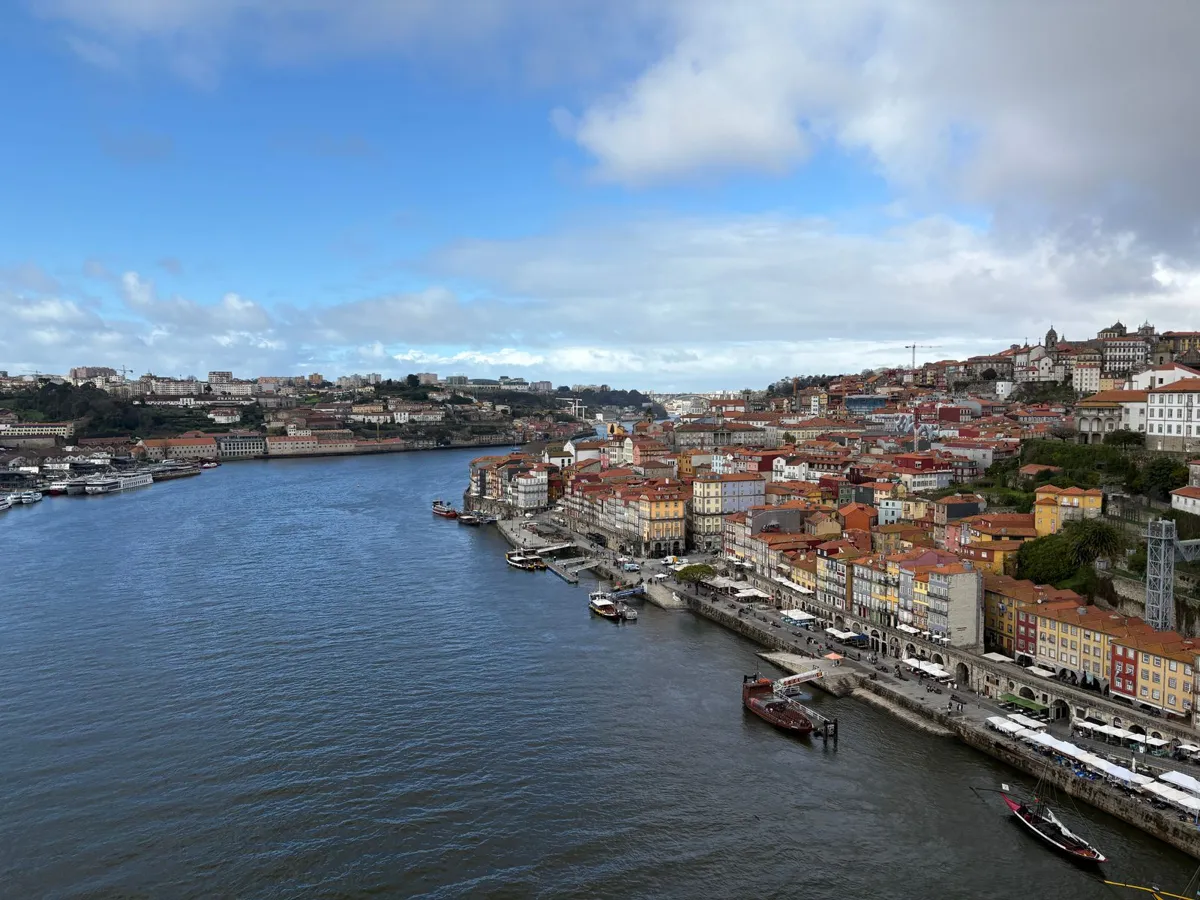 City Guides
Porto's riverfront and upper streets belong to the same visit, but not to the same level. Plan your climbs before committing to a long waterfront afternoon.
Read the guide ↗ City Guides
Madrid rewards days with a clear center of gravity: the old streets, the art museums or a residential neighborhood, rather than all three before lunch.
Read the guide ↗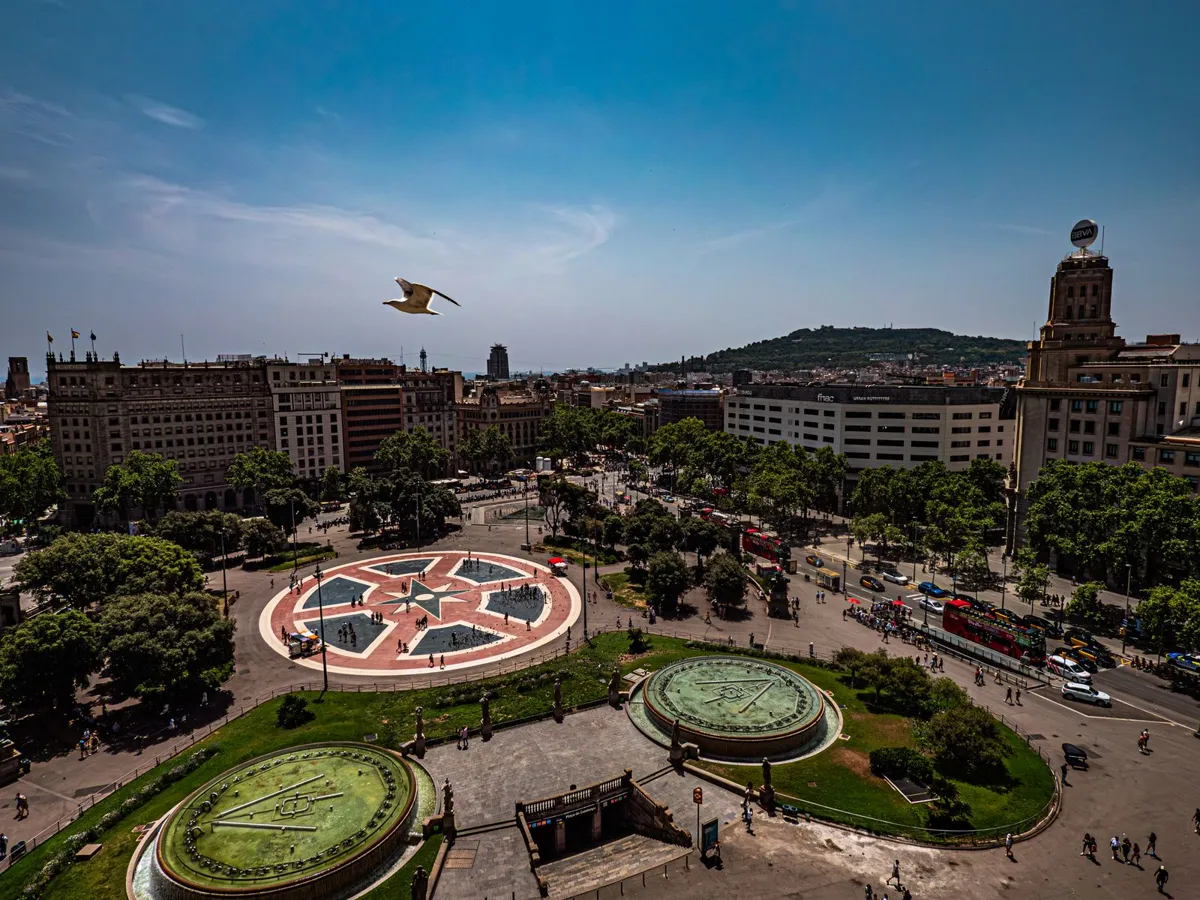 City Guides
Barcelona has several distinct street patterns. Recognizing the old-city lanes, the Eixample grid and the waterfront helps you build days that fit together.
Read the guide ↗ City Guides
In Seville, the order of a day matters as much as its contents. Put exposed walks into comfortable conditions and avoid building the whole visit around continuous movement.
Read the guide ↗ City Guides
Granada is easier to enjoy when the Alhambra, the Albaicín and the lower center are planned as distinct pieces rather than one uninterrupted climb.
Read the guide ↗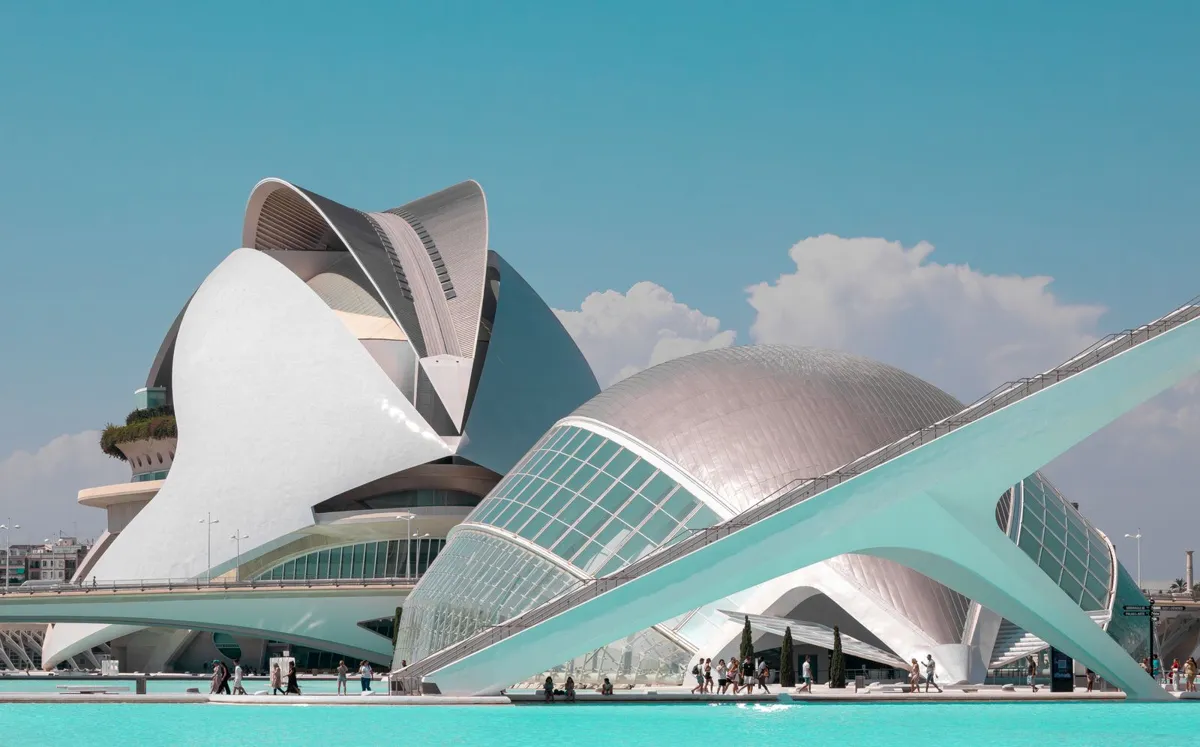 City Guides
Valencia's old streets, former riverbed and seaside neighborhoods offer three different kinds of day. The futuristic skyline is only one part of the picture.
Read the guide ↗ City Guides
The Seine is a useful organizing line, not a boundary you must refuse to cross. Start with neighboring districts and save distant landmarks for another outing.
Read the guide ↗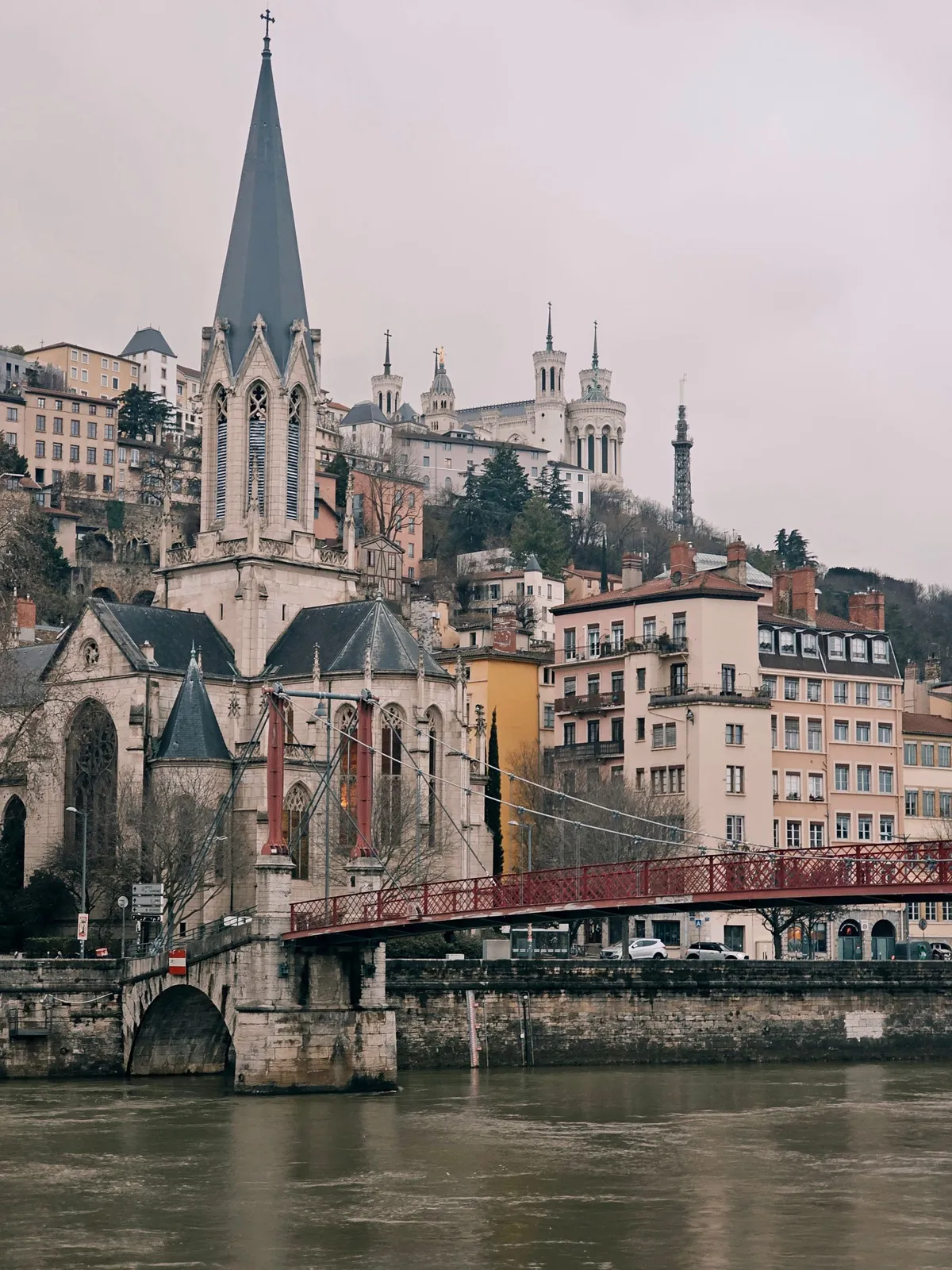 City Guides
The Rhône and Saône give Lyon an unusually clear framework. Learn which waterway you are following before adding the city's hills and food stops.
Read the guide ↗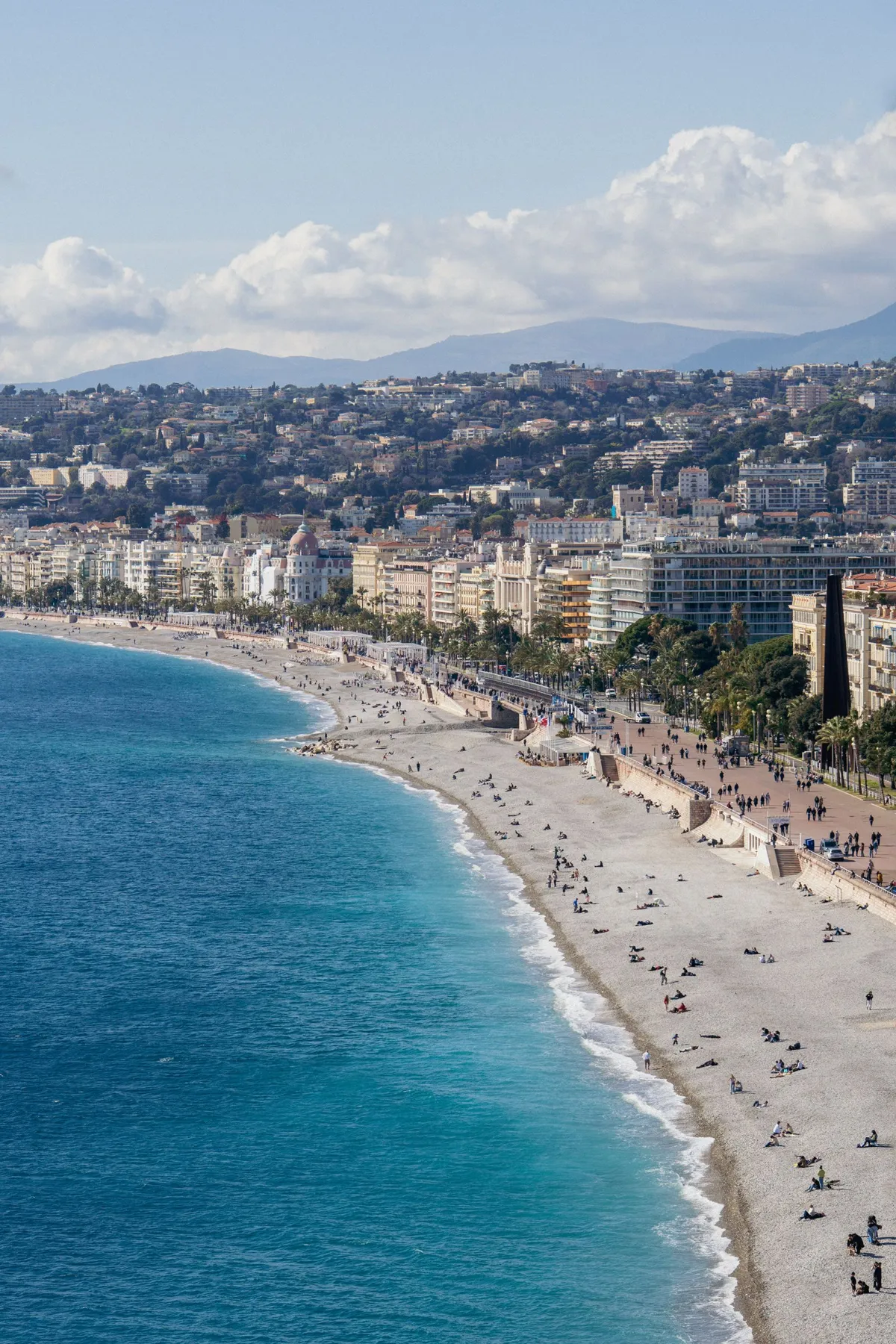 City Guides
Nice offers a compact historic core beside a long seafront. Enjoying both does not require walking the entire promenade or leaving town every day.
Read the guide ↗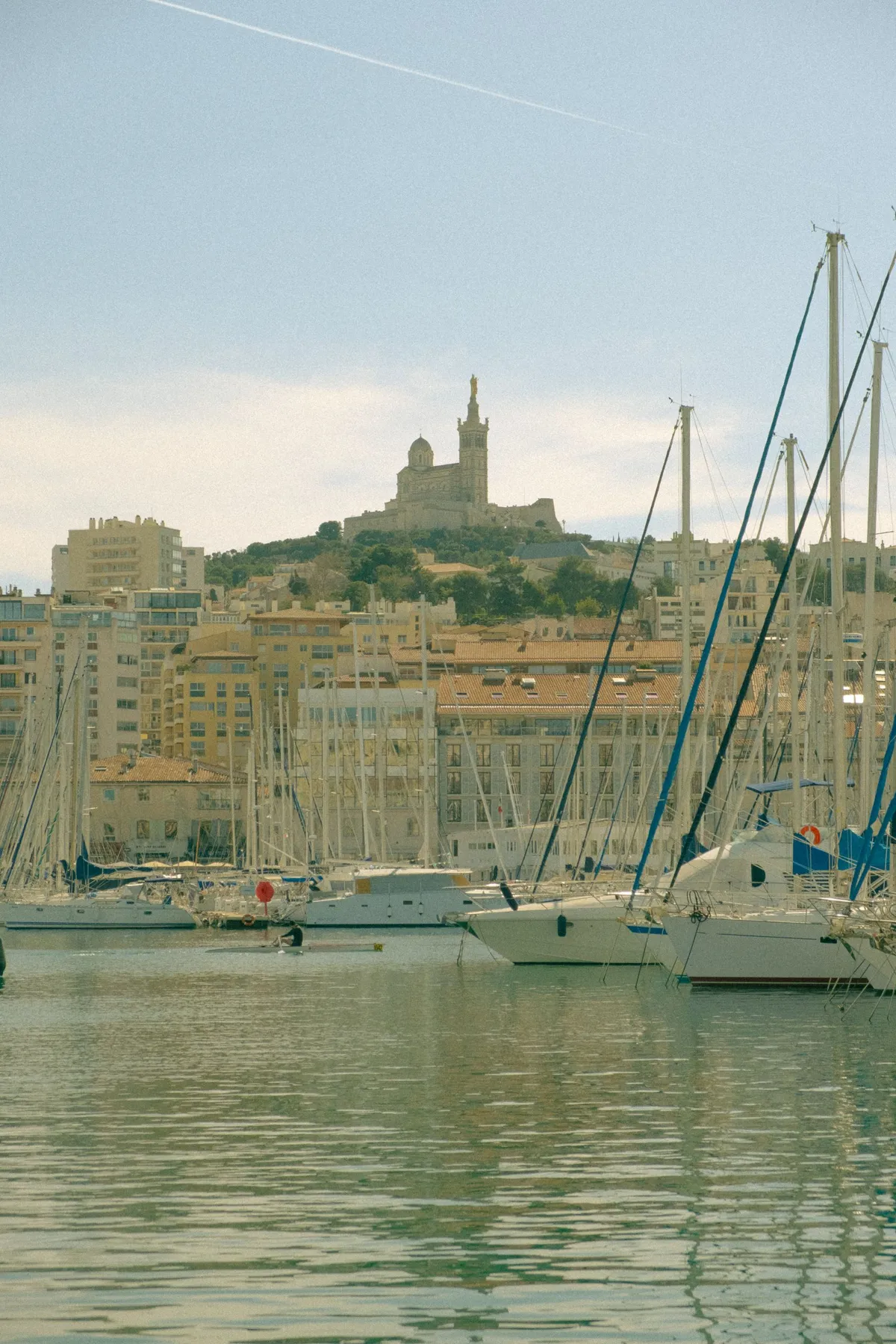 City Guides
The Old Port is Marseille's strongest orientation point, but the surrounding neighborhoods reveal different parts of the city. Choose one extension at a time.
Read the guide ↗ City Guides
Rome's landmarks are dense, but visiting them is not frictionless. Organize around a neighborhood and one important admission instead of drawing a line through every famous sight.
Read the guide ↗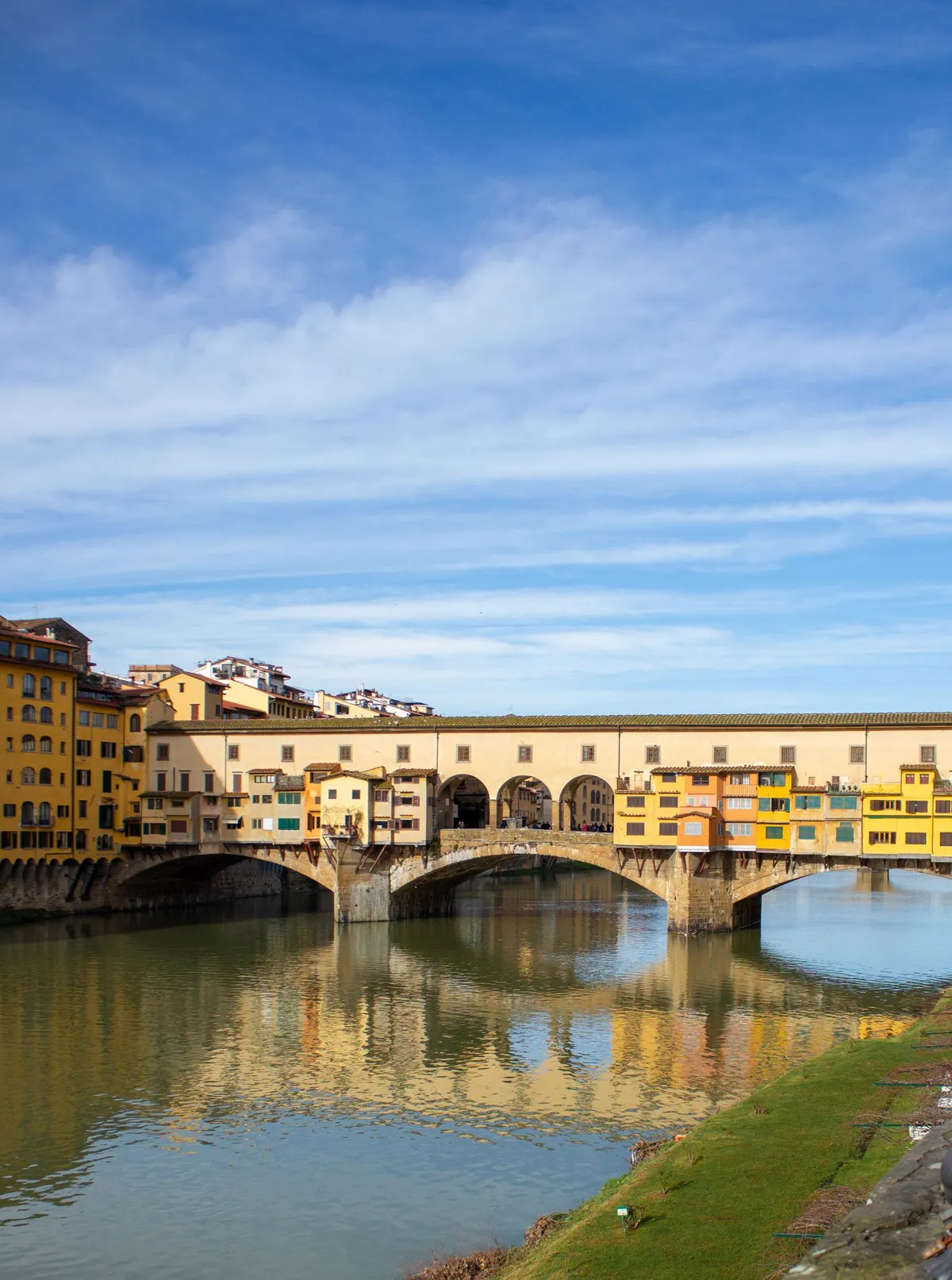 City Guides
Florence's collections deserve attention, but so do the streets between them. Make the Arno and the Oltrarno part of the visit rather than a hurried afterthought.
Read the guide ↗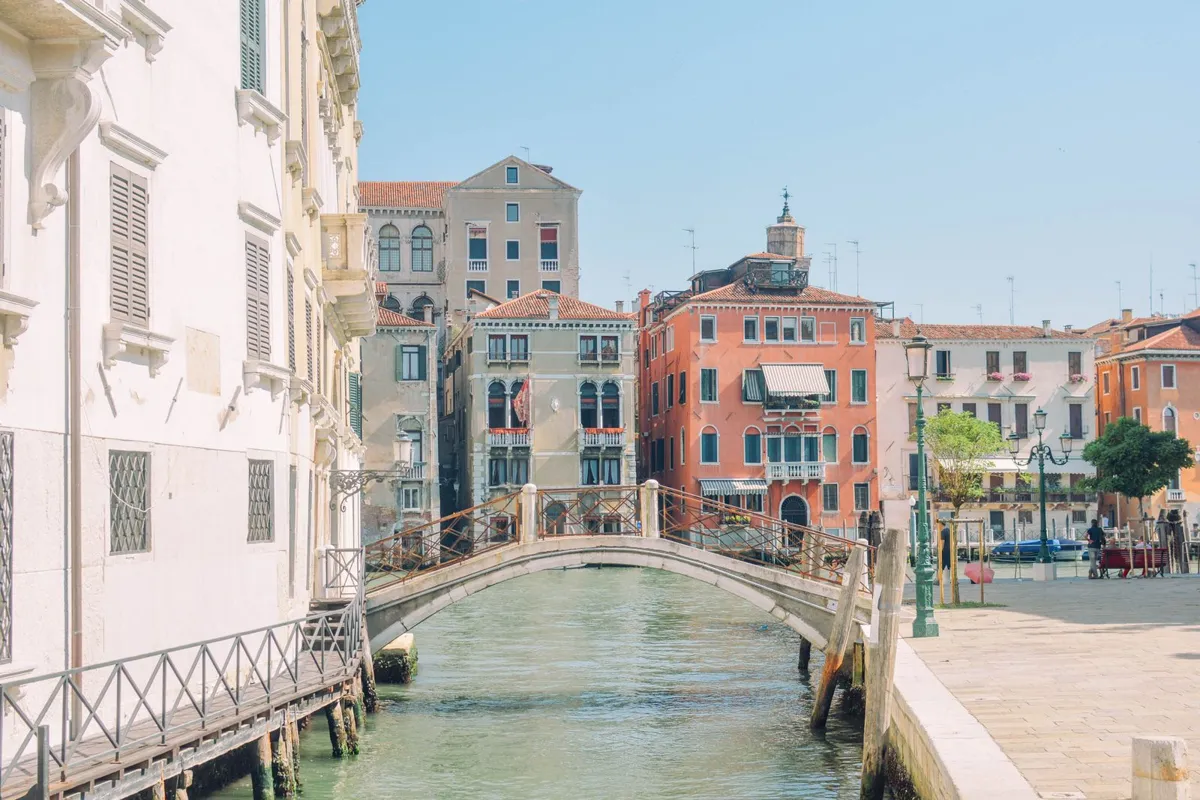 City Guides
A slower Venice visit starts with a smaller route. Bridges, dead ends and waterbus stops matter more than straight-line distance between two attraction pins.
Read the guide ↗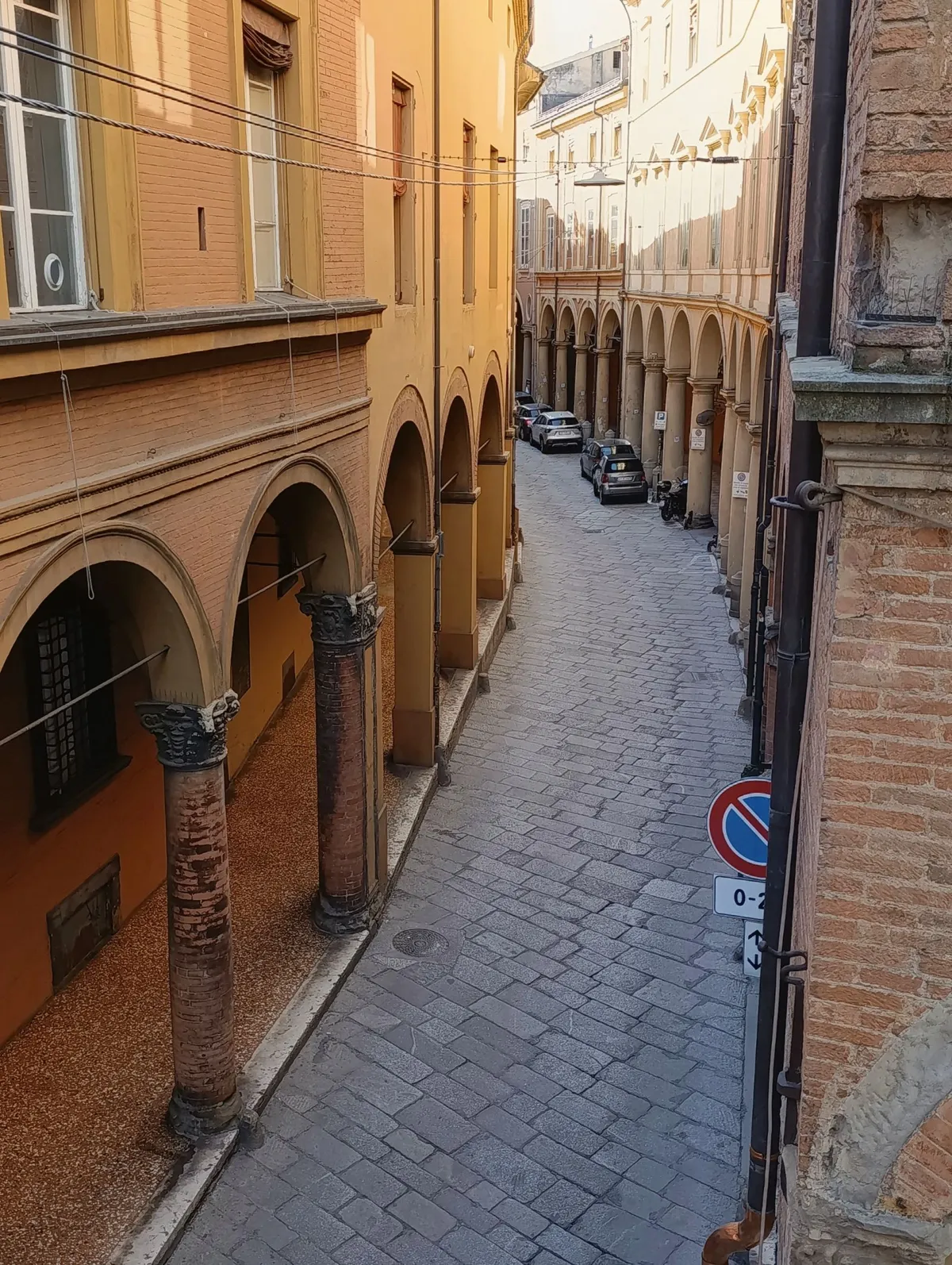 City Guides
Bologna's covered sidewalks are more than a rainy-day convenience. They connect everyday movement with the city's architecture, food streets and university life.
Read the guide ↗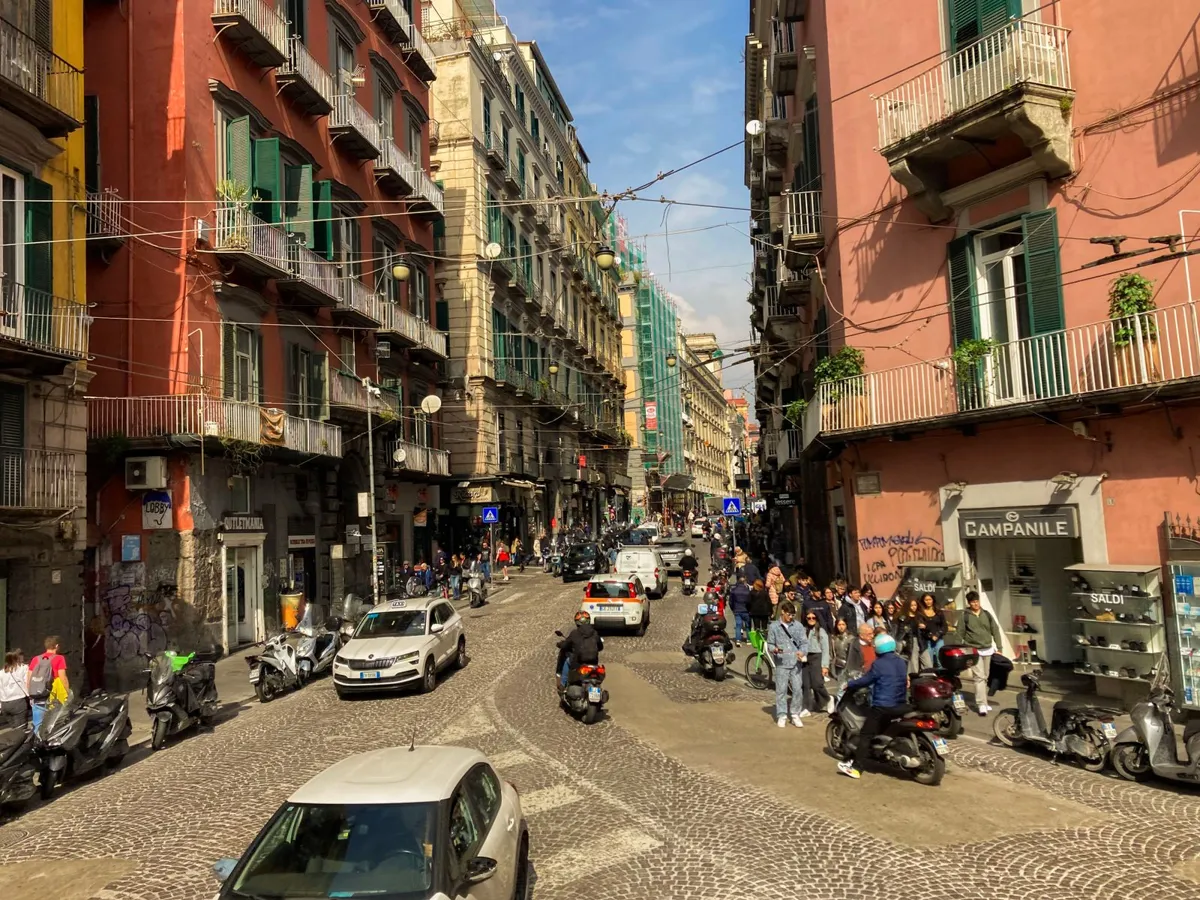 City Guides
Naples deserves more than the hours between an airport arrival and a trip to Pompeii. Begin with one piece of the city and allow its streets to take time.
Read the guide ↗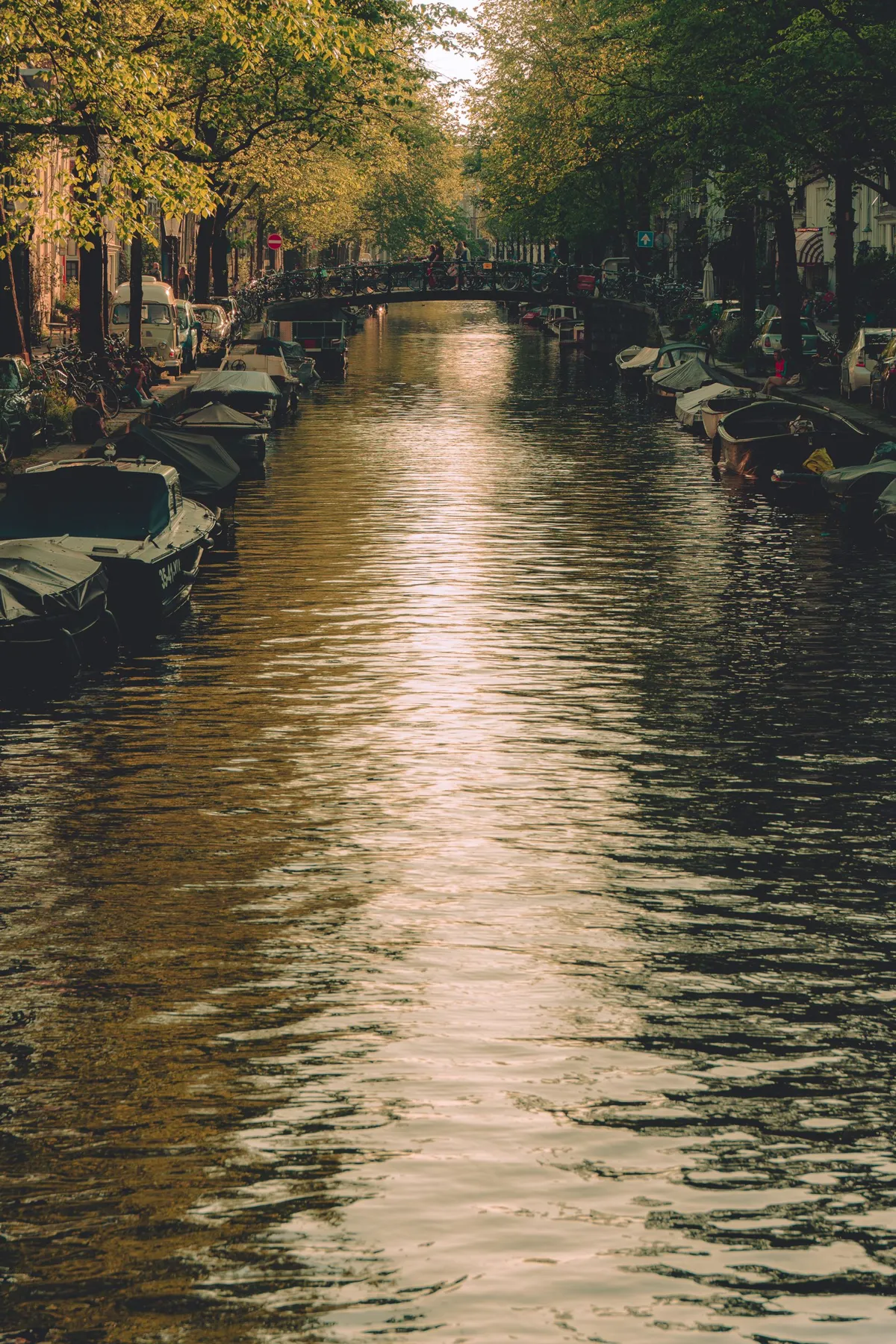 City Guides
Amsterdam's canal ring is a starting point, not the whole city. Choose one neighboring district to explore rather than trying to collect every version of Amsterdam in a day.
Read the guide ↗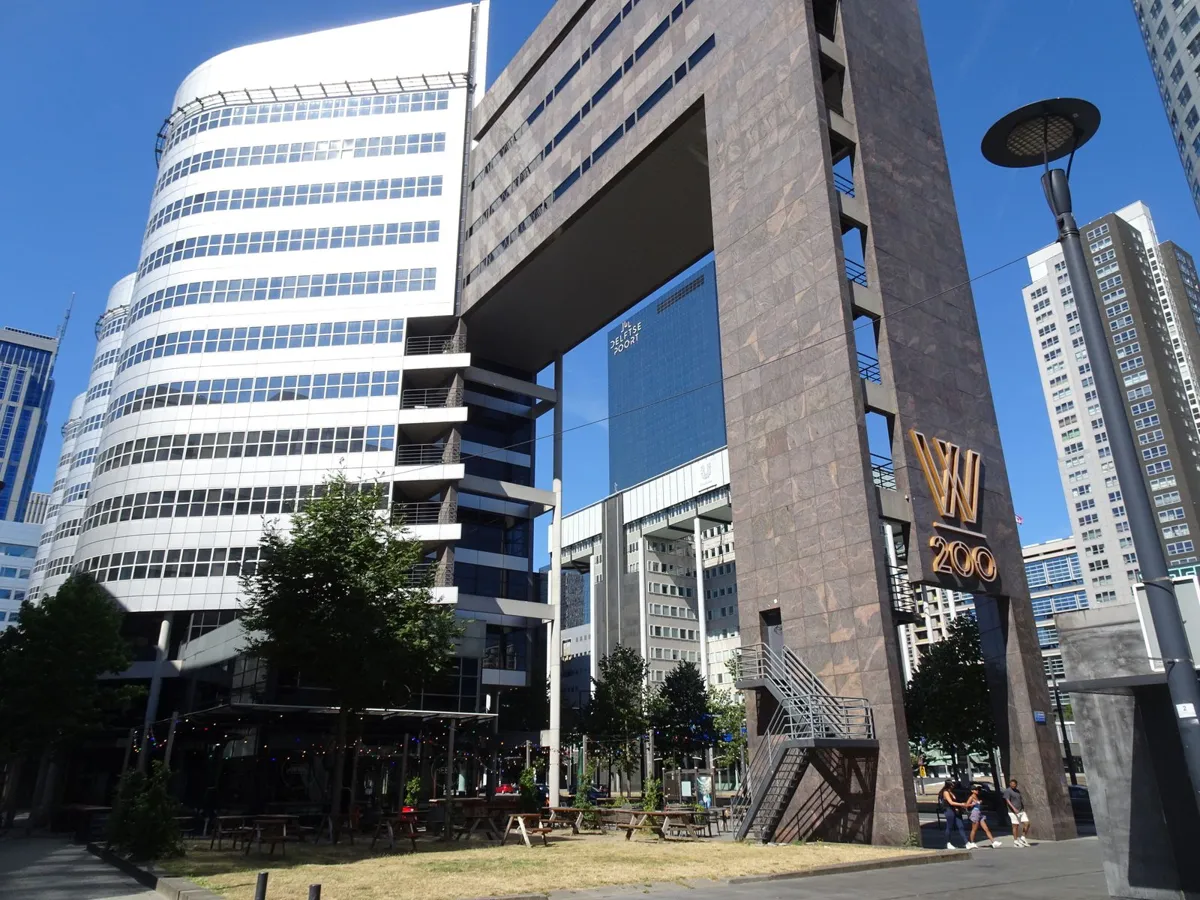 City Guides
Rotterdam's architecture is best understood as a city people use, not a set of isolated objects. Follow a route that connects station, streets, public space and waterfront.
Read the guide ↗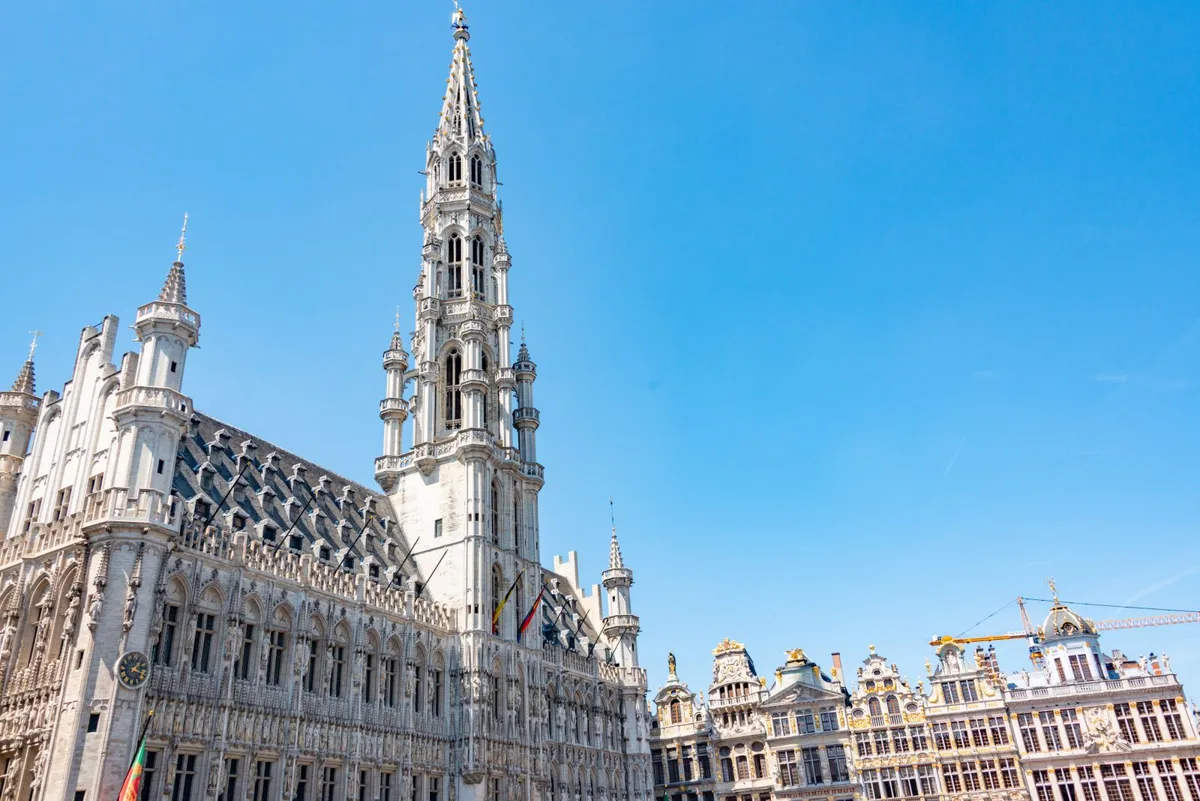 City Guides
A short Brussels visit works well when you understand the climb between the lower center and the upper town. Grand Place can be the beginning rather than the whole itinerary.
Read the guide ↗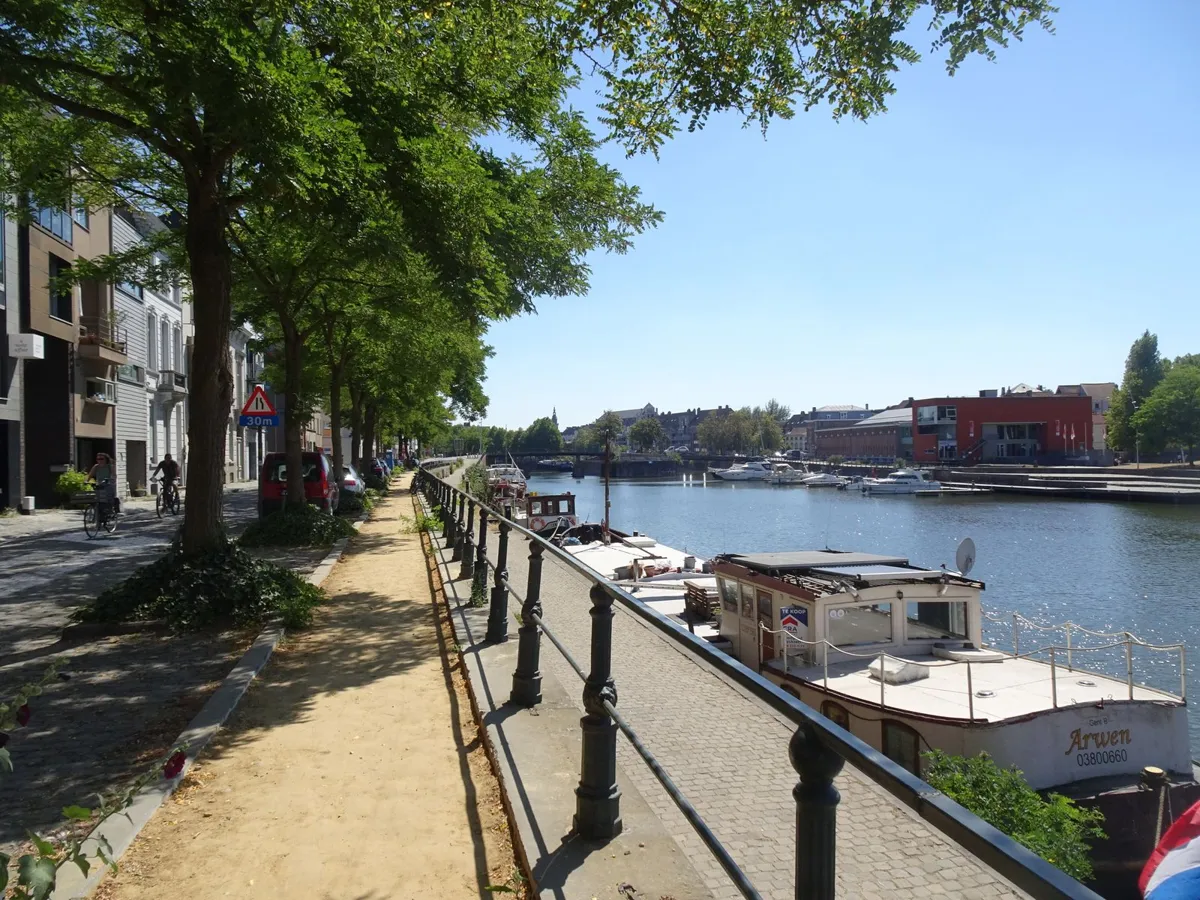 City Guides
An overnight stay in Ghent gives you time to see the same streets in different light. It is a chance to slow down, not a promise that the center will become empty.
Read the guide ↗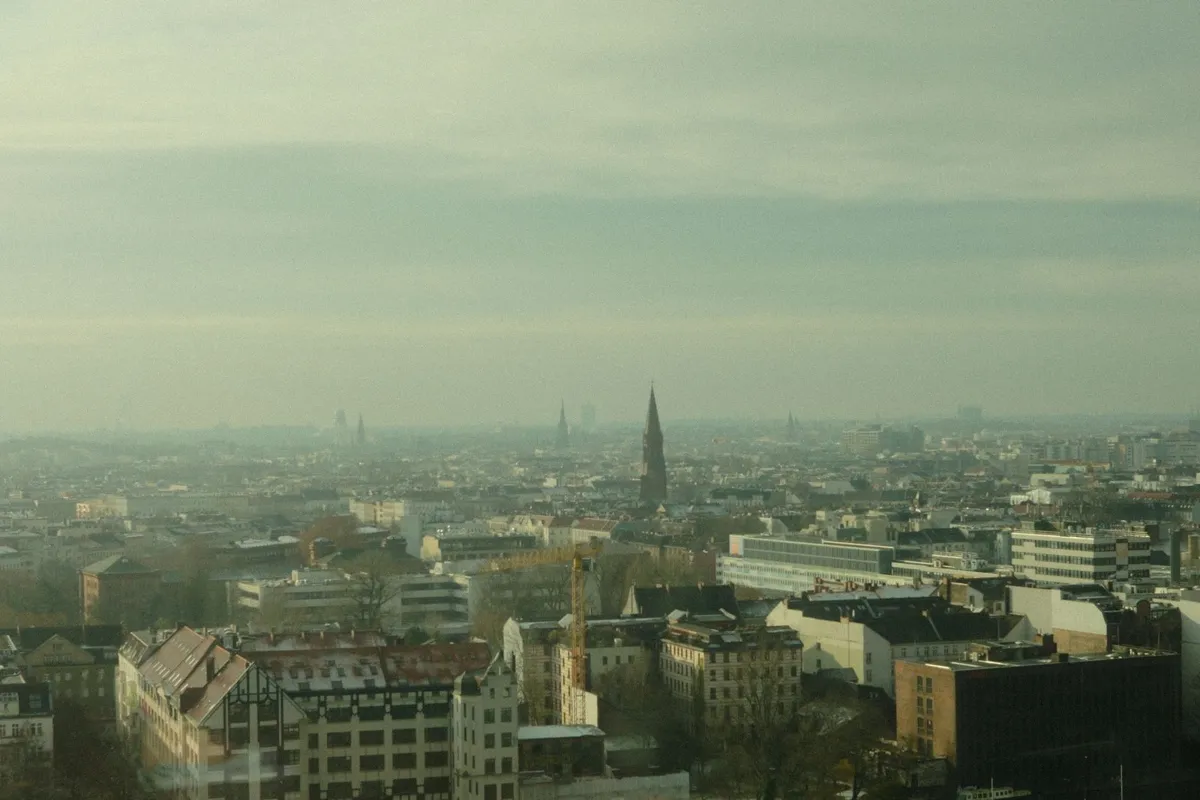 City Guides
Berlin becomes easier to plan when you stop searching for a single center. Its districts support different kinds of day, linked by transport rather than endless walking.
Read the guide ↗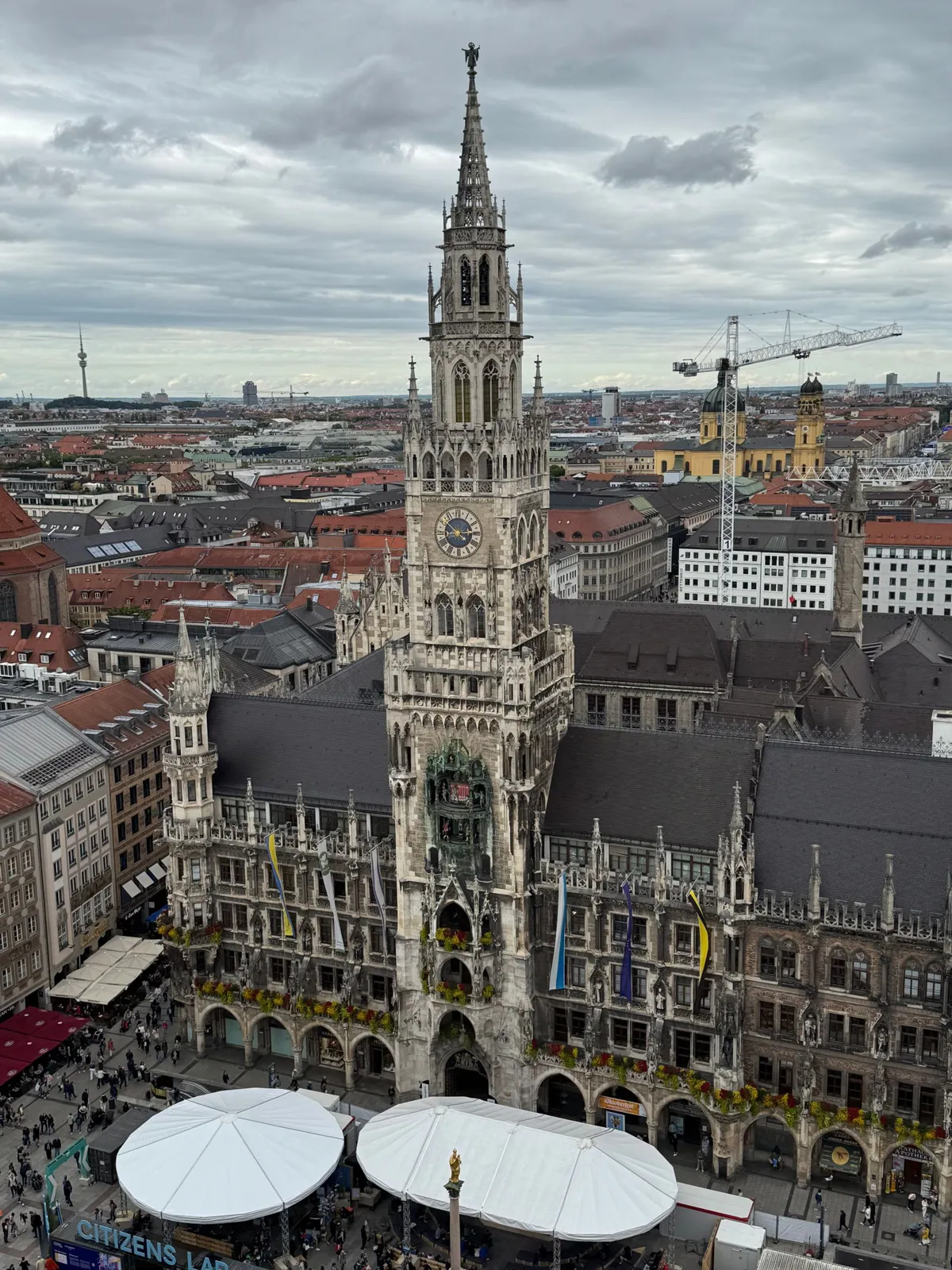 City Guides
Munich can alternate between formal squares and generous parkland without becoming a marathon. Keep the green afternoon modest enough to enjoy it.
Read the guide ↗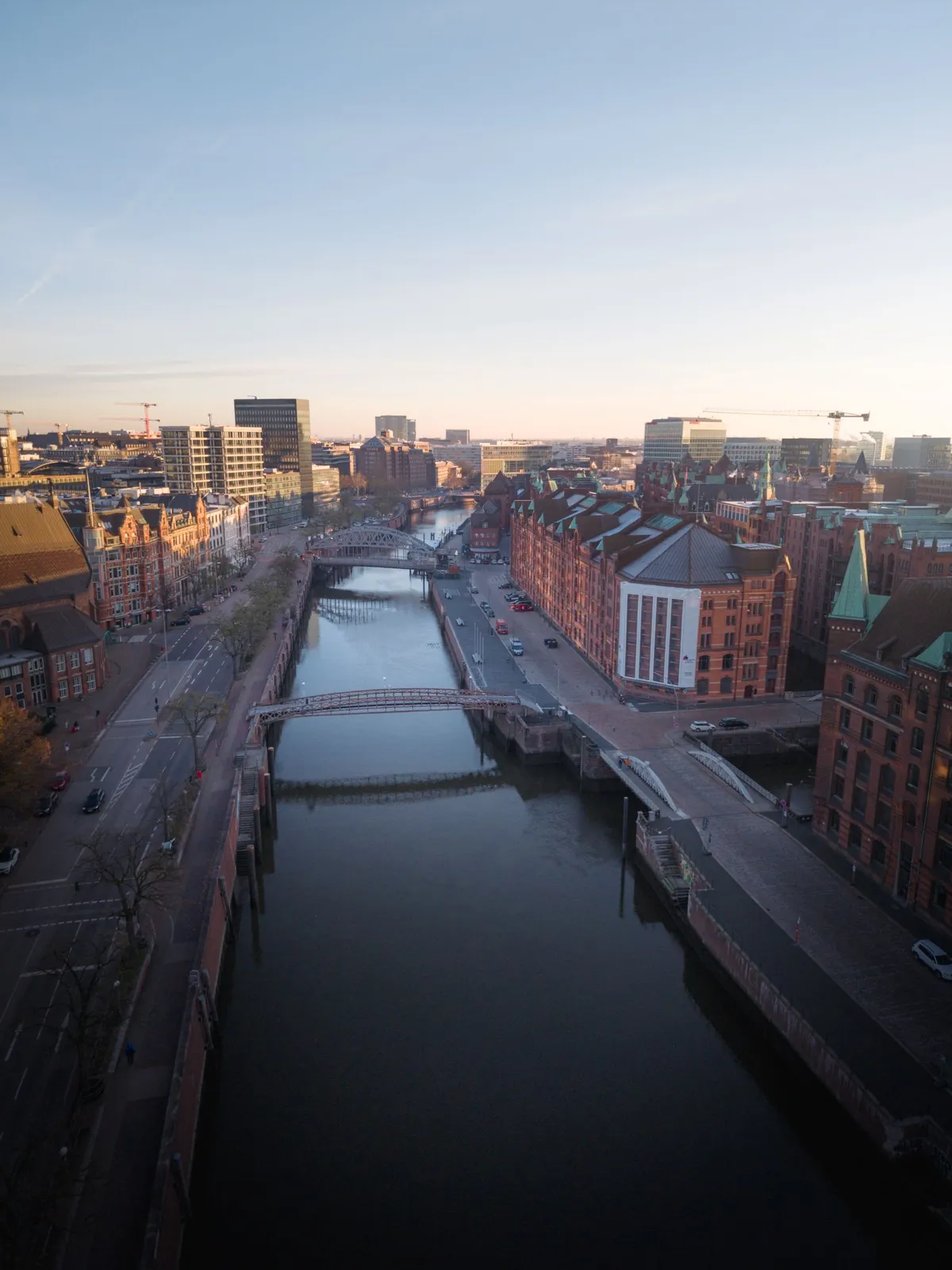 City Guides
Hamburg contains several different waterfronts. The warehouse canals, the Elbe harbor and the Alster should not be mistaken for one continuous waterside neighborhood.
Read the guide ↗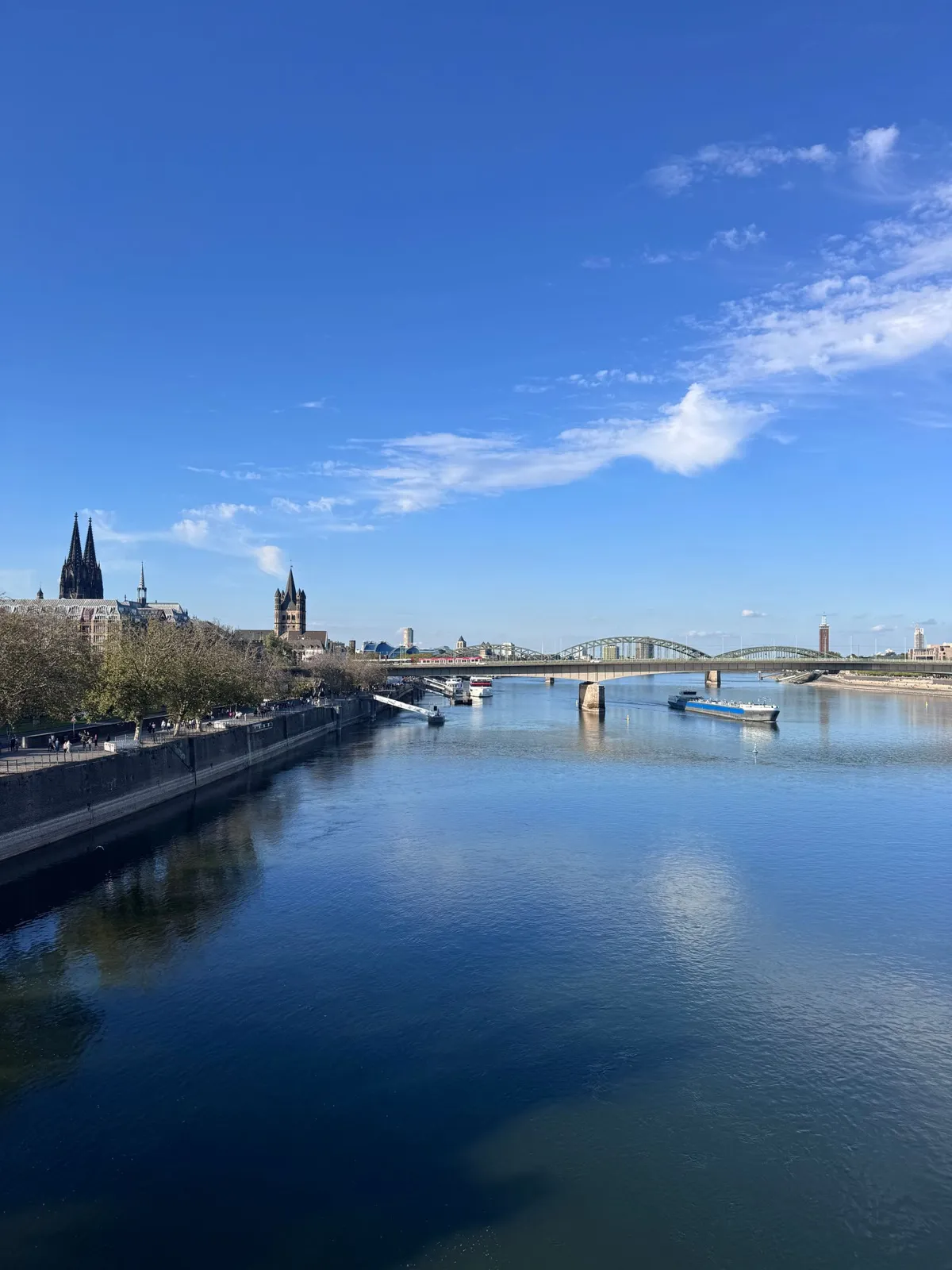 City Guides
Cologne's cathedral is an unmistakable arrival landmark. The Rhine and the city's neighborhoods provide the next chapter, without requiring a complicated itinerary.
Read the guide ↗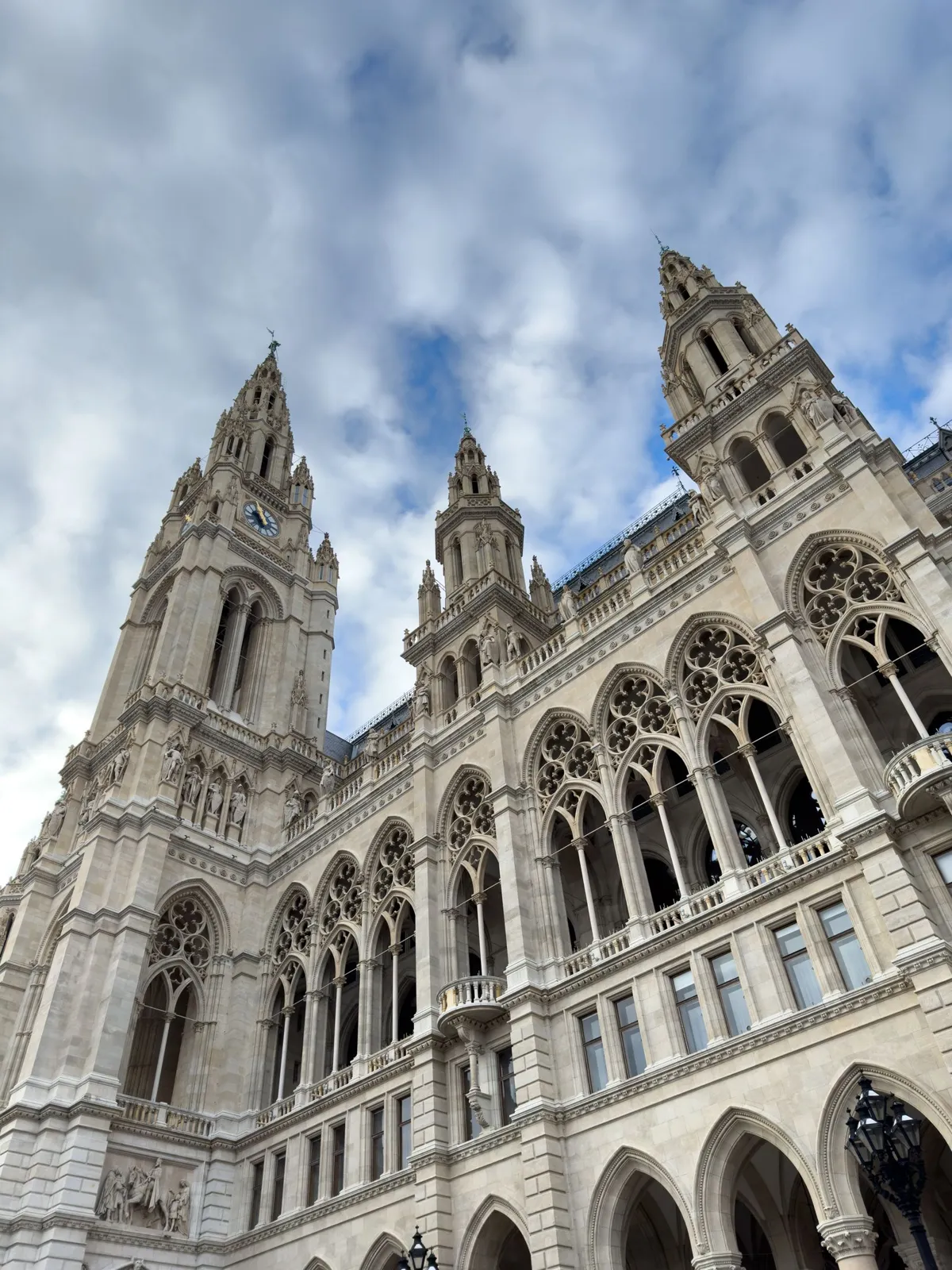 City Guides
Vienna has enough collections for many visits. A first trip becomes clearer when you combine one of them with the streets, gardens and cafés around it.
Read the guide ↗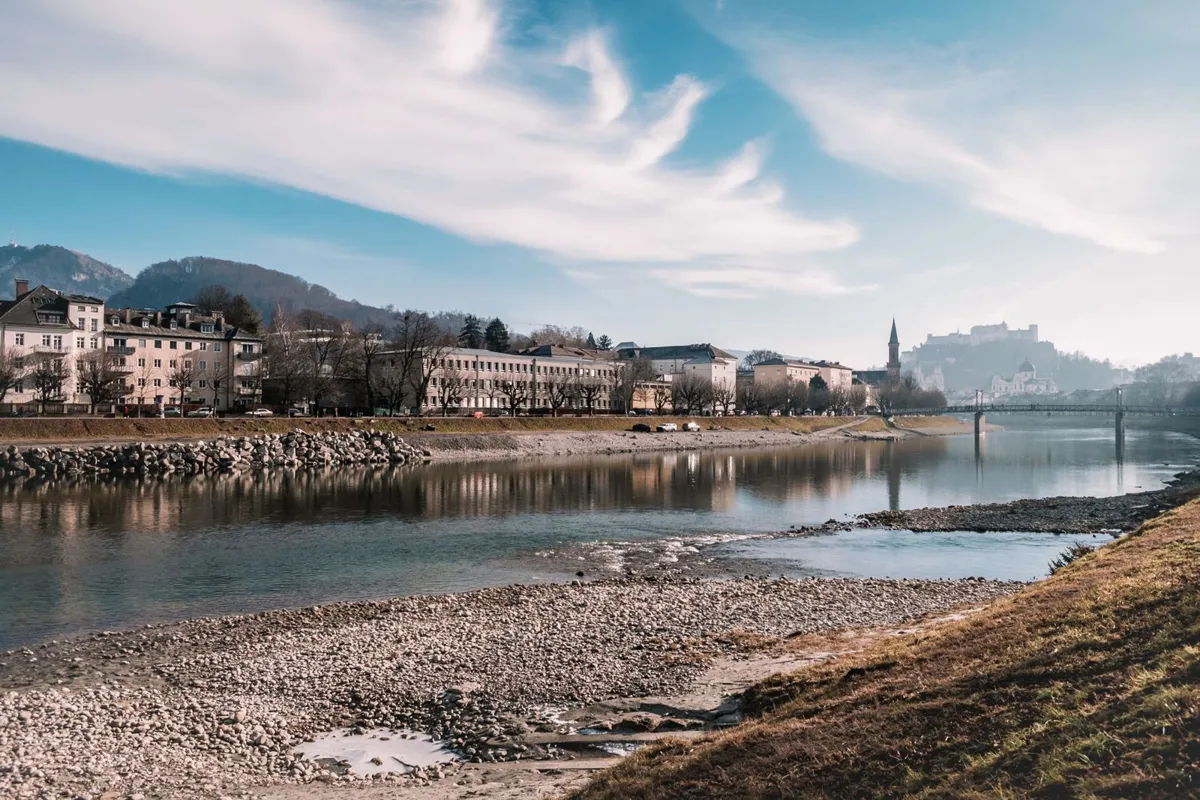 City Guides
Salzburg's hills explain the shape of its old town. They also change the physical demands of a visit, so choose a viewpoint route with the same care as a museum.
Read the guide ↗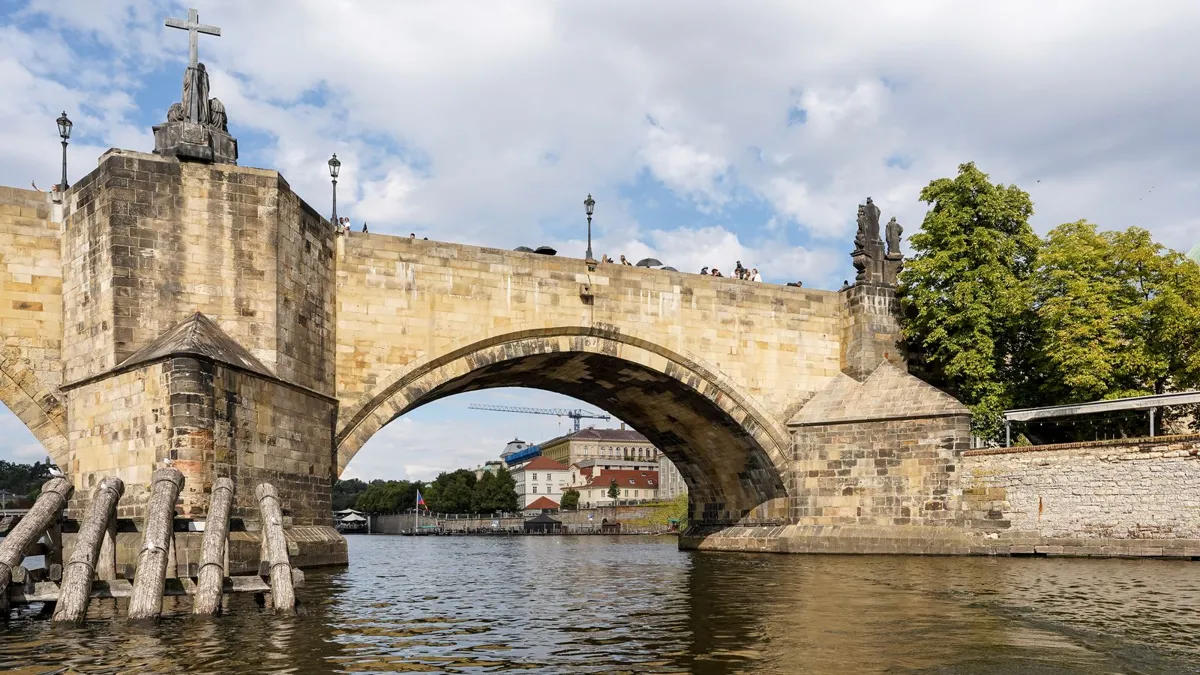 City Guides
Prague's two central banks reward different pacing. The Old Town is a street-and-square outing; the castle side adds height and a more deliberate route.
Read the guide ↗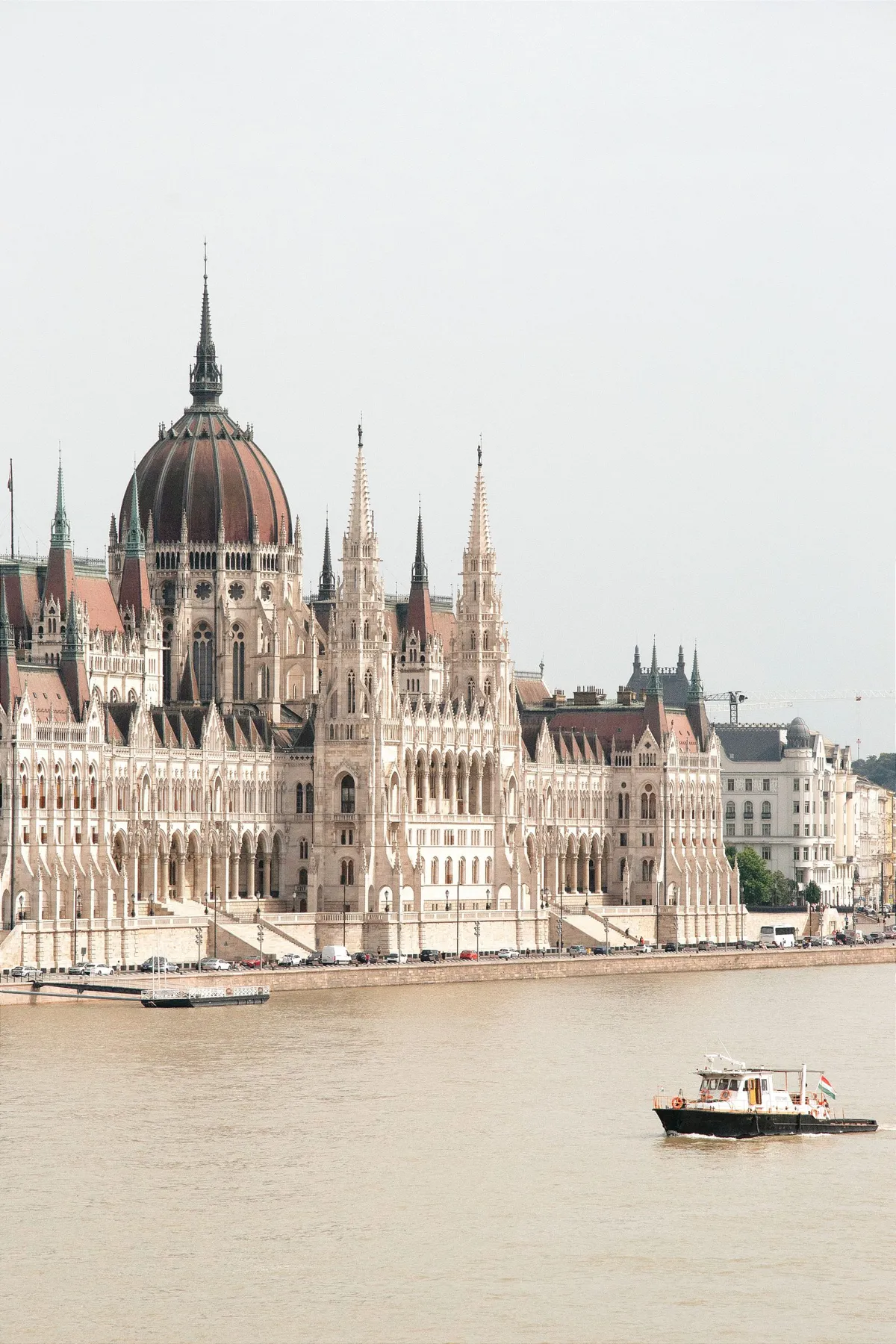 City Guides
Buda and Pest are connected by bridges but offer different terrain and street patterns. A good first visit lets that contrast organize the days.
Read the guide ↗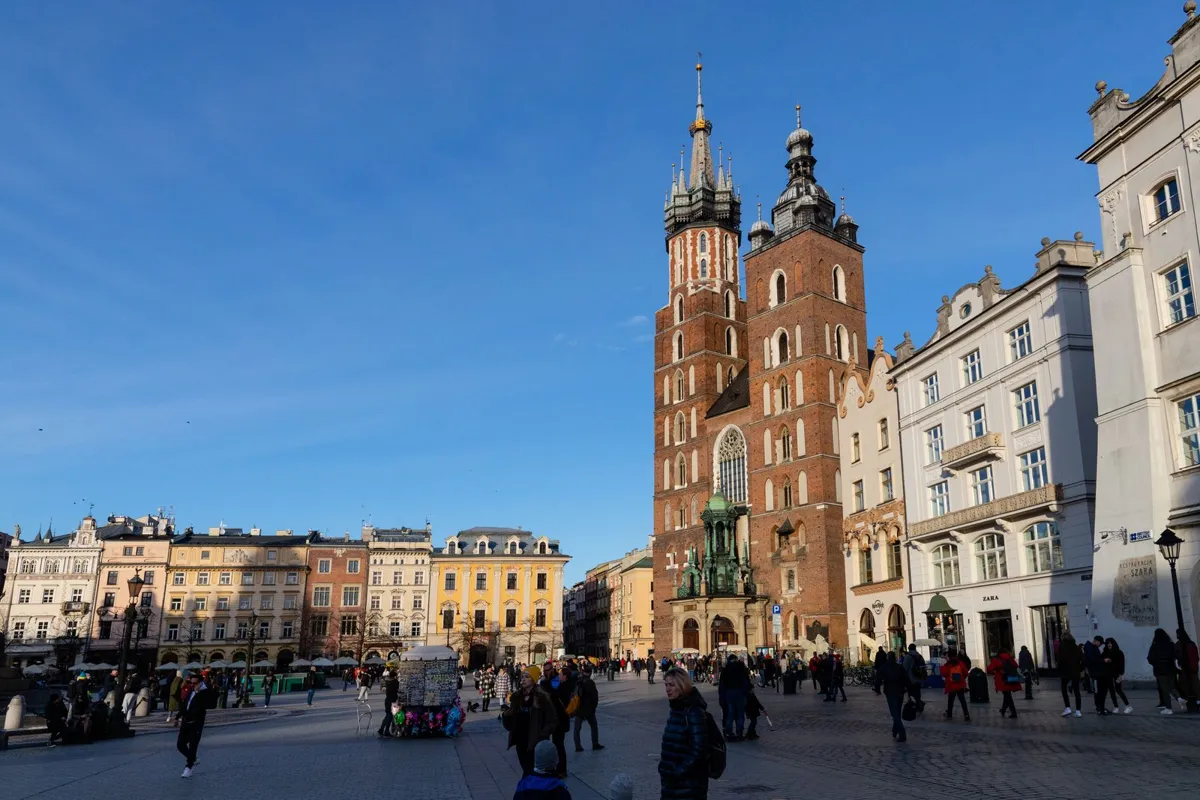 City Guides
Krakow's Old Town and Kazimierz can fit a short visit, but their histories should not be compressed into a single decorative walk.
Read the guide ↗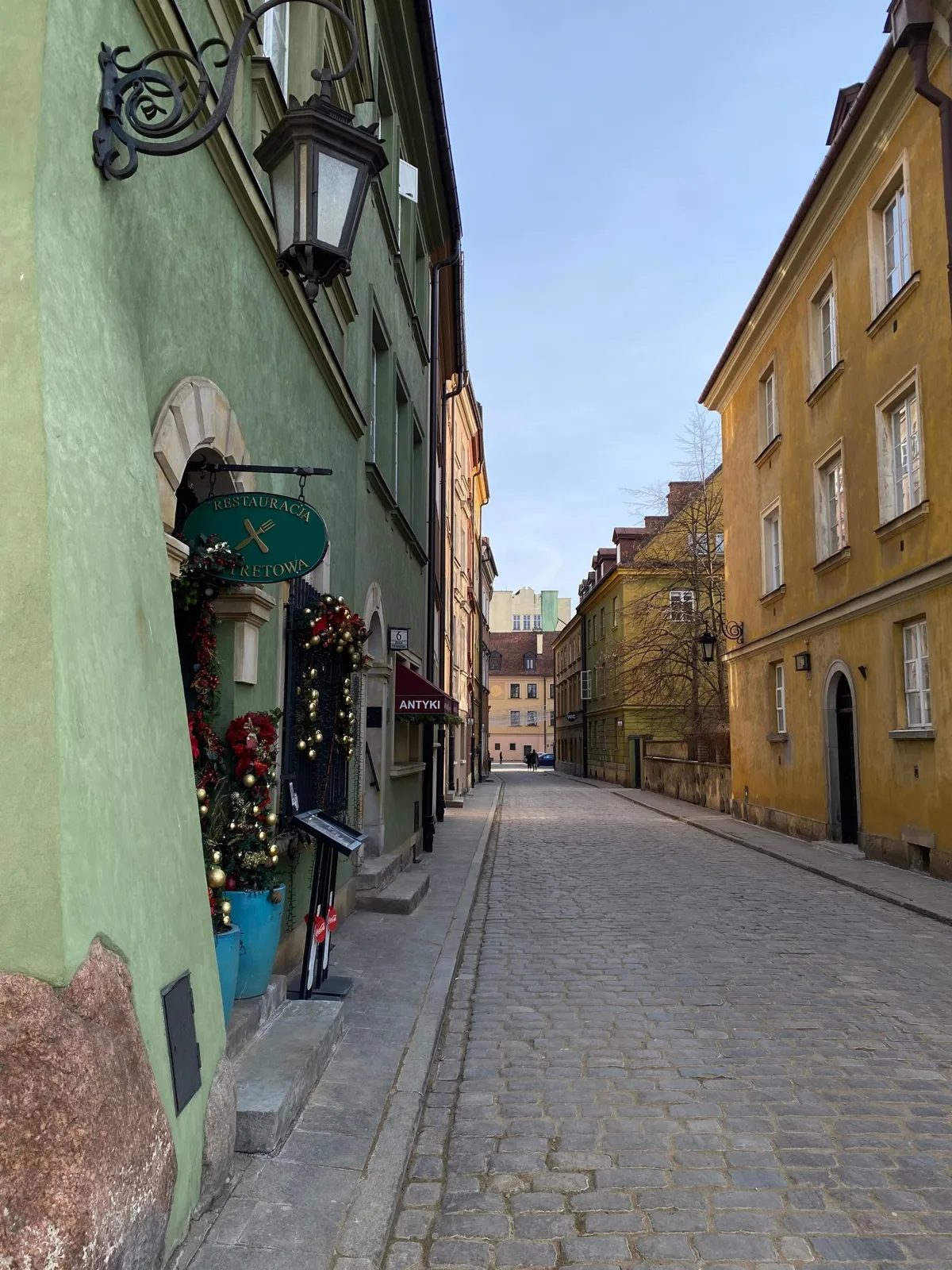 City Guides
Warsaw's reconstructed old streets are one chapter of a much larger city. Pair them with another district to understand the contrasts rather than expecting a single preserved historic core.
Read the guide ↗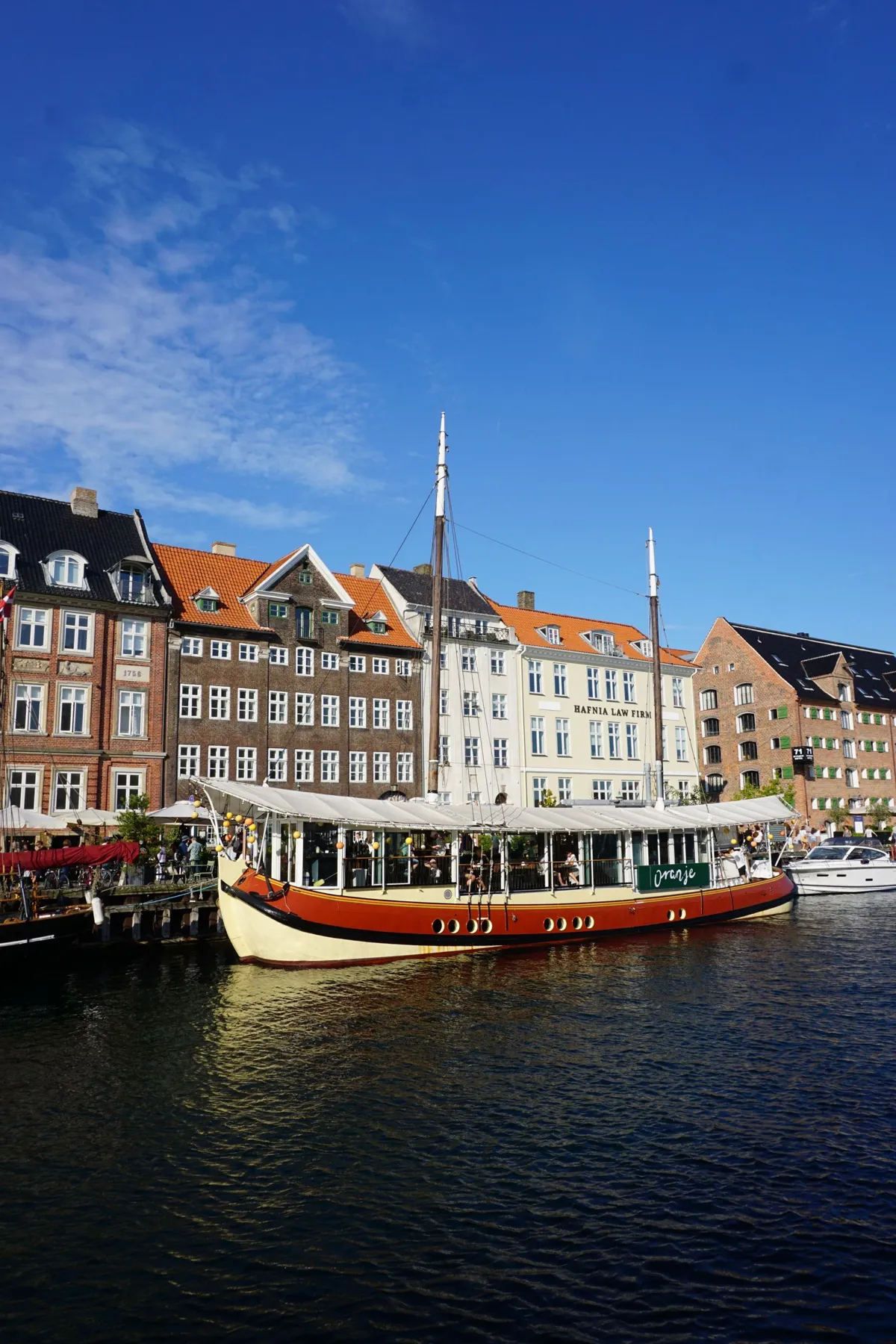 City Guides
Copenhagen's cycling reputation should not make a pedestrian visit feel second best. Its canals, squares and neighborhoods form rewarding routes when you respect how the streets work.
Read the guide ↗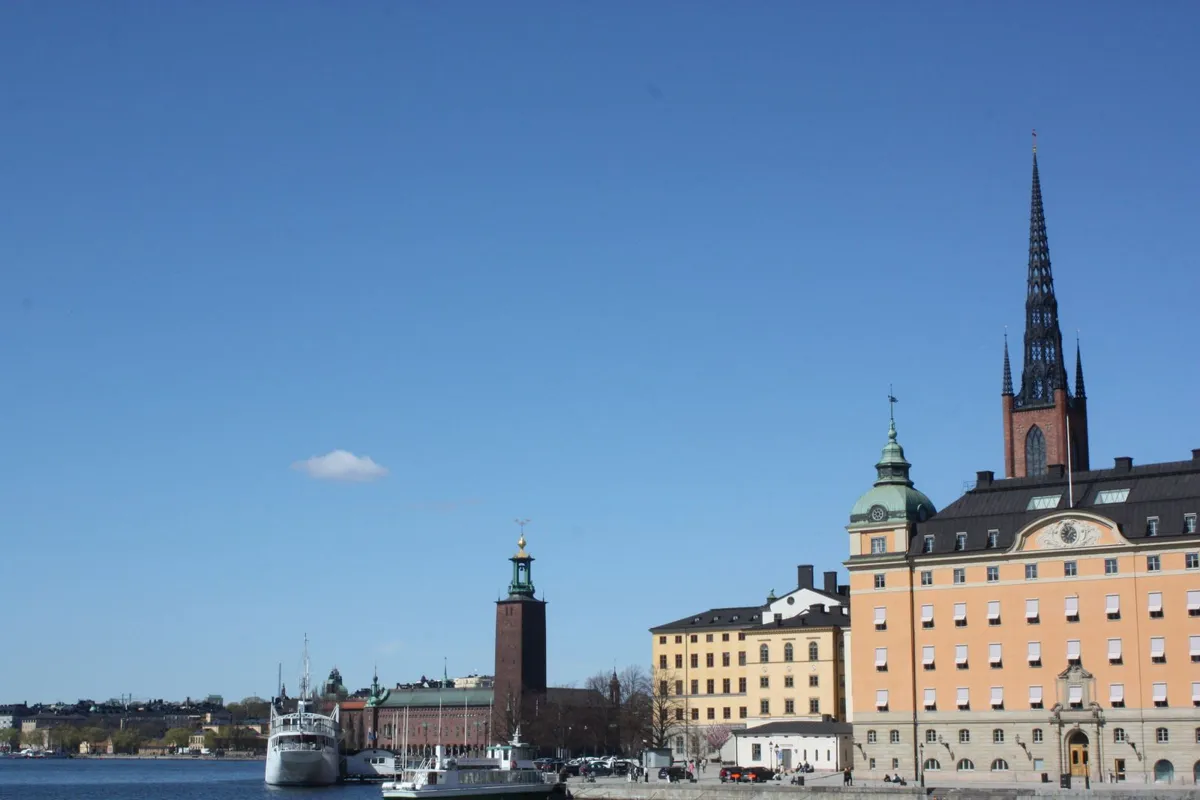 City Guides
Stockholm's water gives the city its identity and shapes every route. Think in island-sized outings instead of treating every museum and viewpoint as part of one central walk.
Read the guide ↗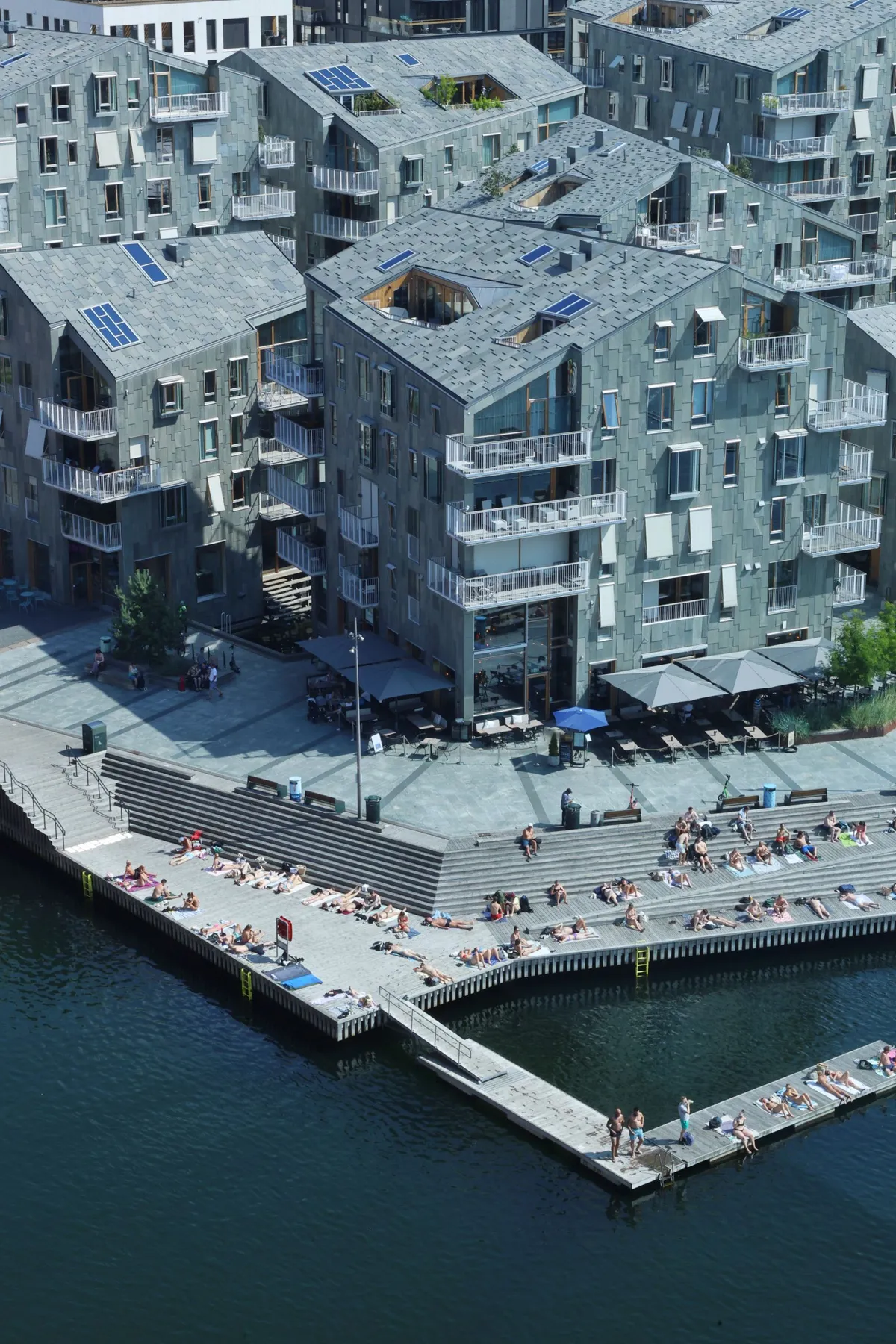 City Guides
Oslo makes it possible to combine urban water and forest, but they require different preparations. Keep the woodland outing deliberate rather than treating it as another city sidewalk.
Read the guide ↗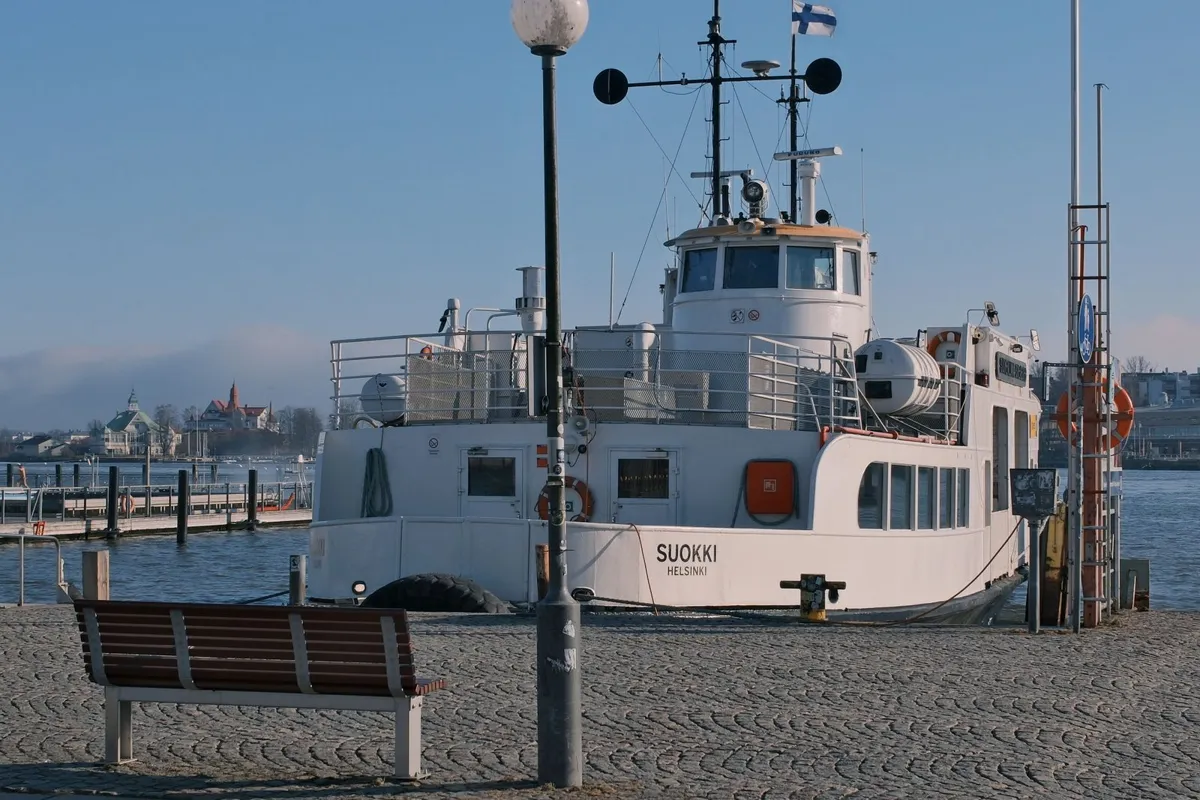 City Guides
Helsinki's design culture and maritime setting can share a visit without becoming a shop-to-shop checklist. Keep the center walk and an island outing on different scales.
Read the guide ↗ City Guides
Edinburgh's Old and New Towns contrast in street pattern as much as architecture. Read the contours before choosing a route between them.
Read the guide ↗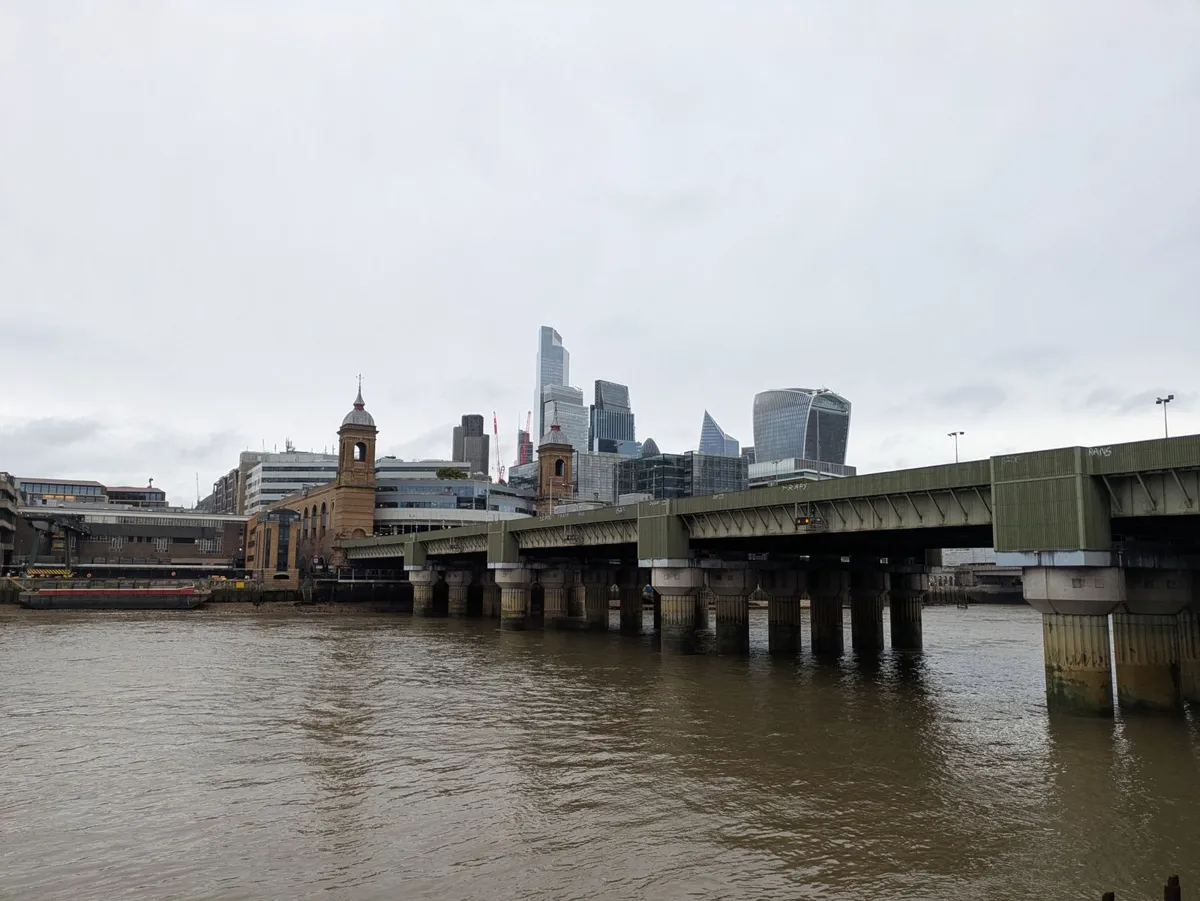 City Guides
London's transport network makes distant places reachable, but it does not make every combination sensible. Build days around a section of the city and let the connections support it.
Read the guide ↗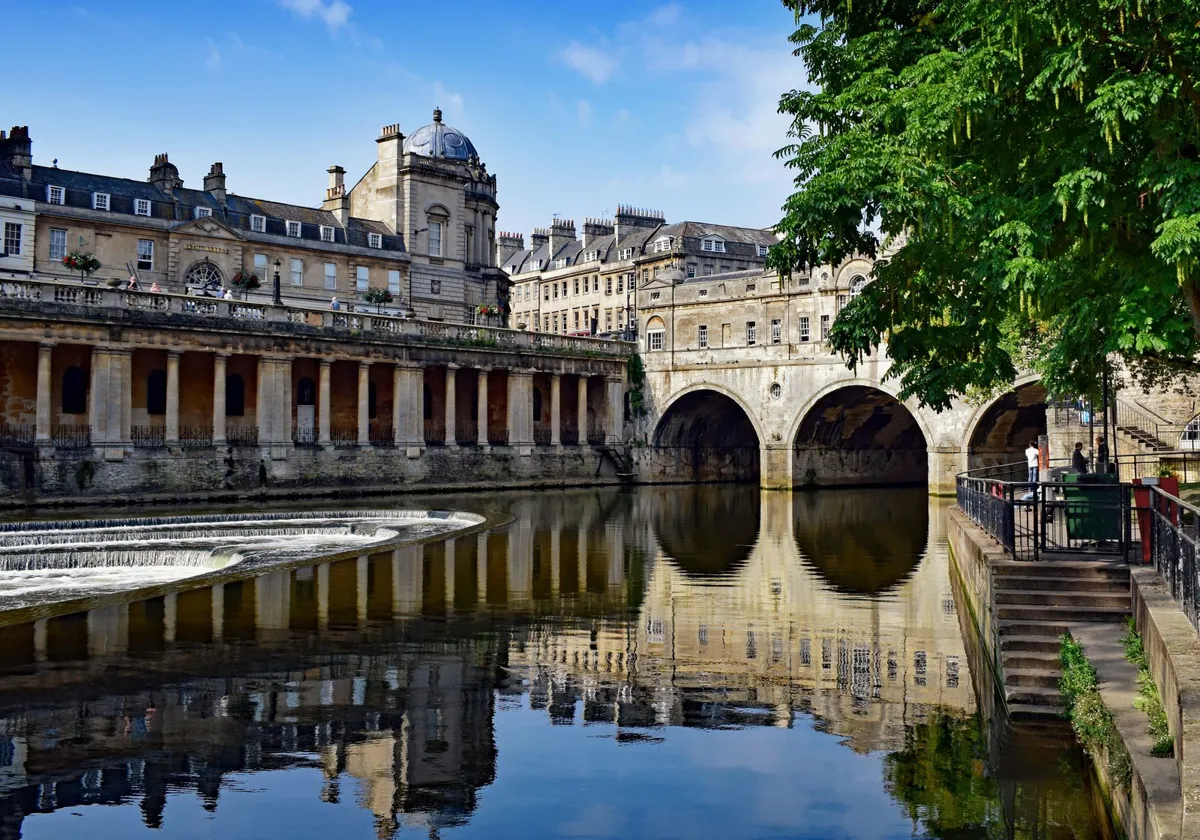 City Guides
Bath's central streets invite walking, but the city offers more than a single attraction. Combine its Georgian spaces with the river and one considered interior visit.
Read the guide ↗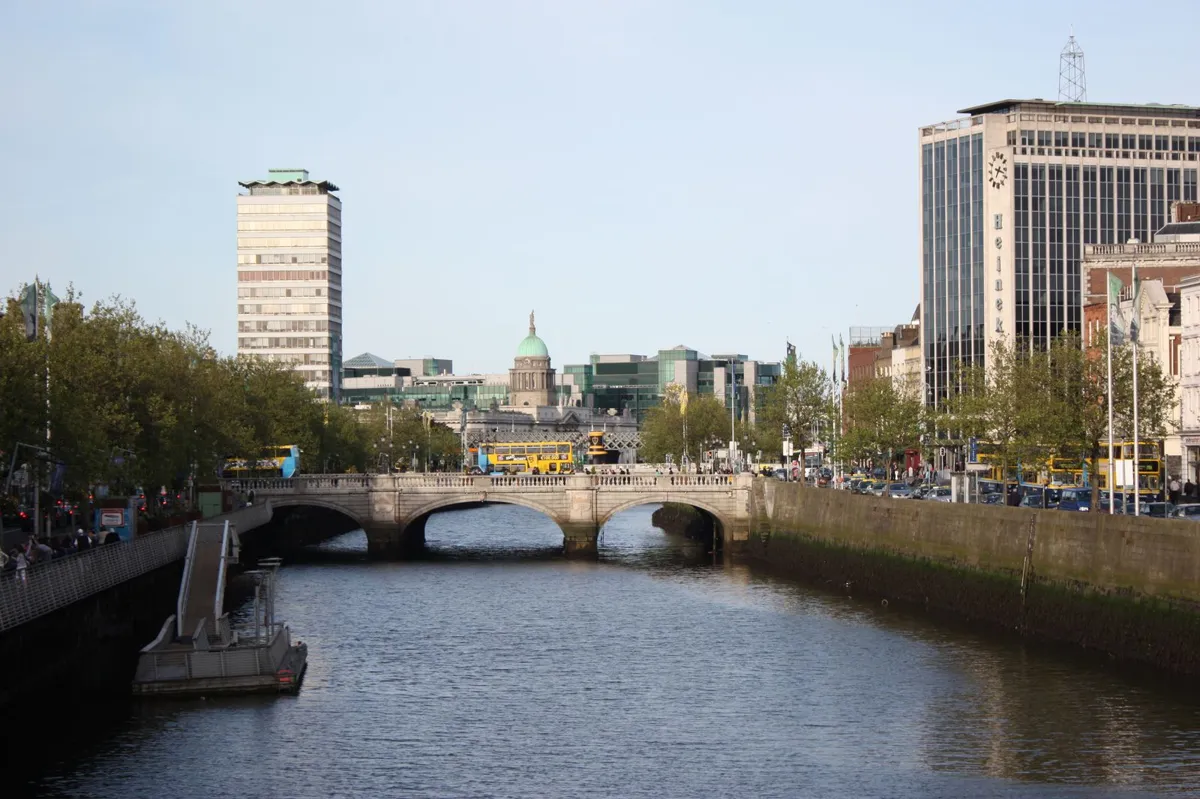 City Guides
Dublin's central streets can support a relaxed walking visit, provided you distinguish a compact route from a list of attractions scattered across both sides of the Liffey.
Read the guide ↗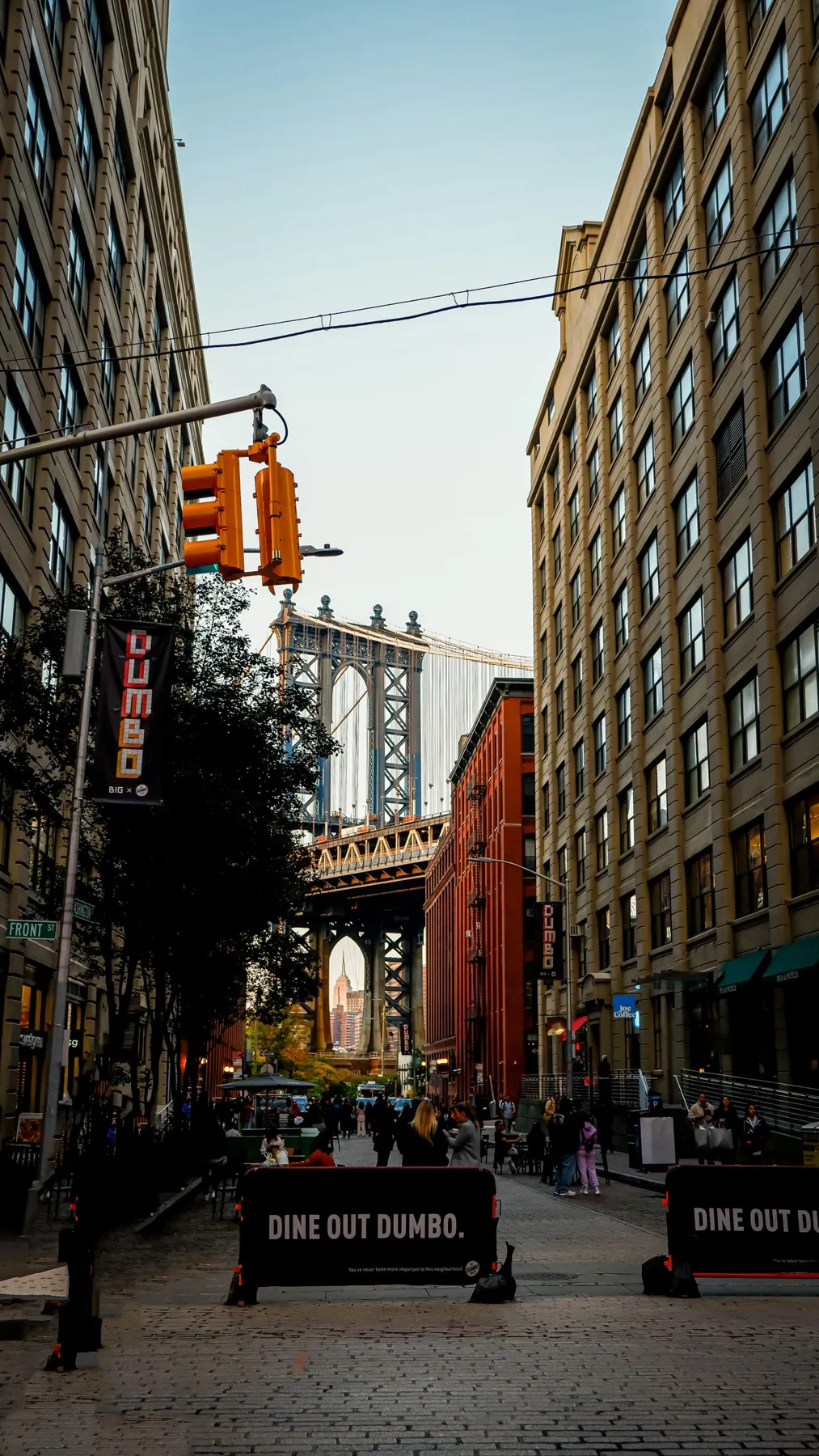 City Guides
New York feels more manageable when a day has a neighborhood anchor. The subway can connect your interests, but it cannot return the attention lost to an overfilled itinerary.
Read the guide ↗ City Guides
Boston's historic trail is a useful introduction, but it should not consume every decision. Add a neighborhood and a stretch of water to see a broader city.
Read the guide ↗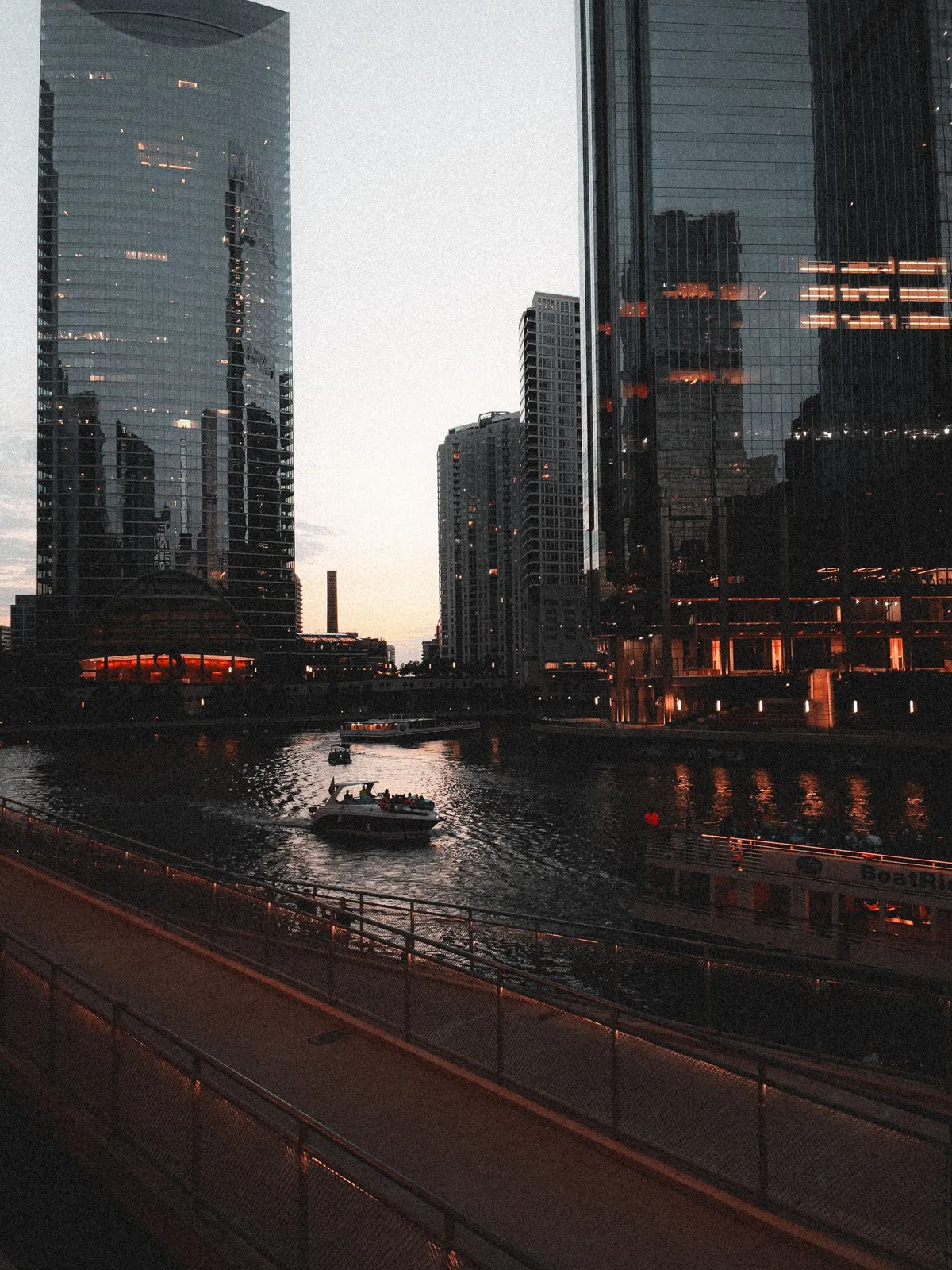 City Guides
Chicago's river and lakefront explain the city in different ways. Give each a distinct outing instead of treating both as one continuous waterfront walk.
Read the guide ↗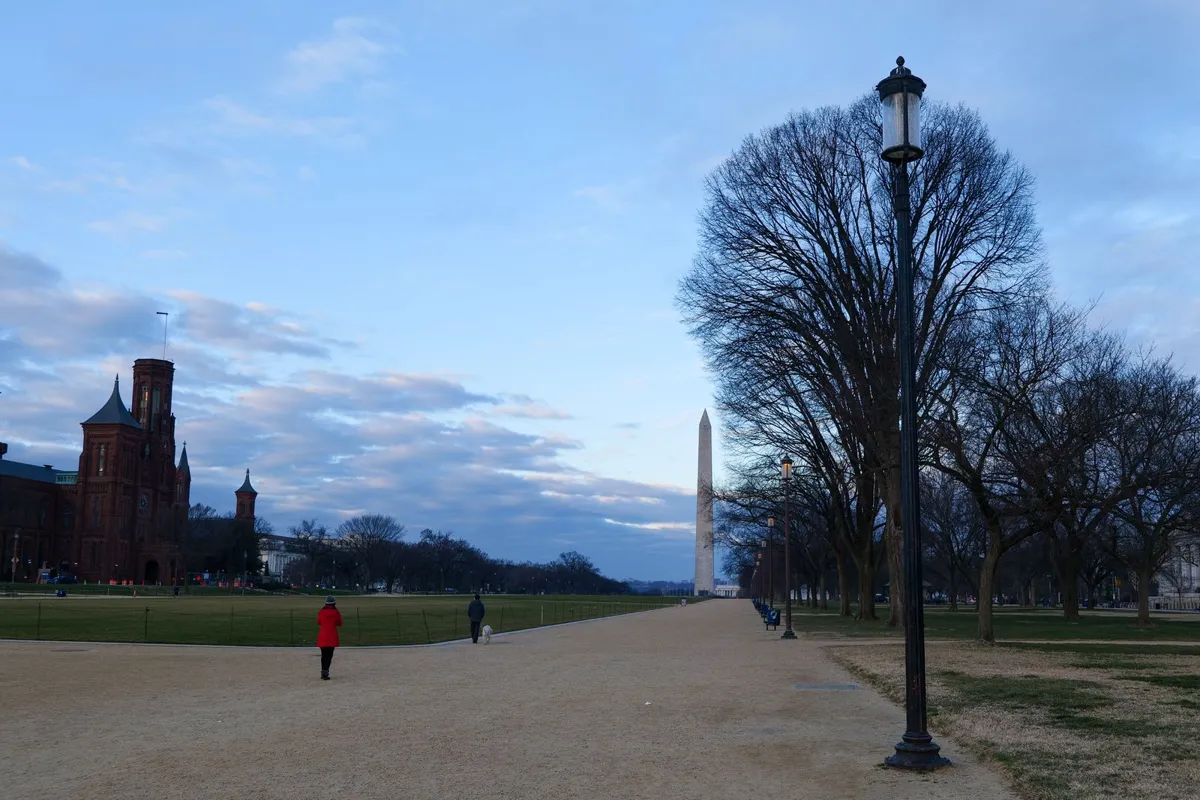 City Guides
The National Mall makes many institutions appear close together. A good Washington visit chooses carefully among them and leaves room for the city outside their doors.
Read the guide ↗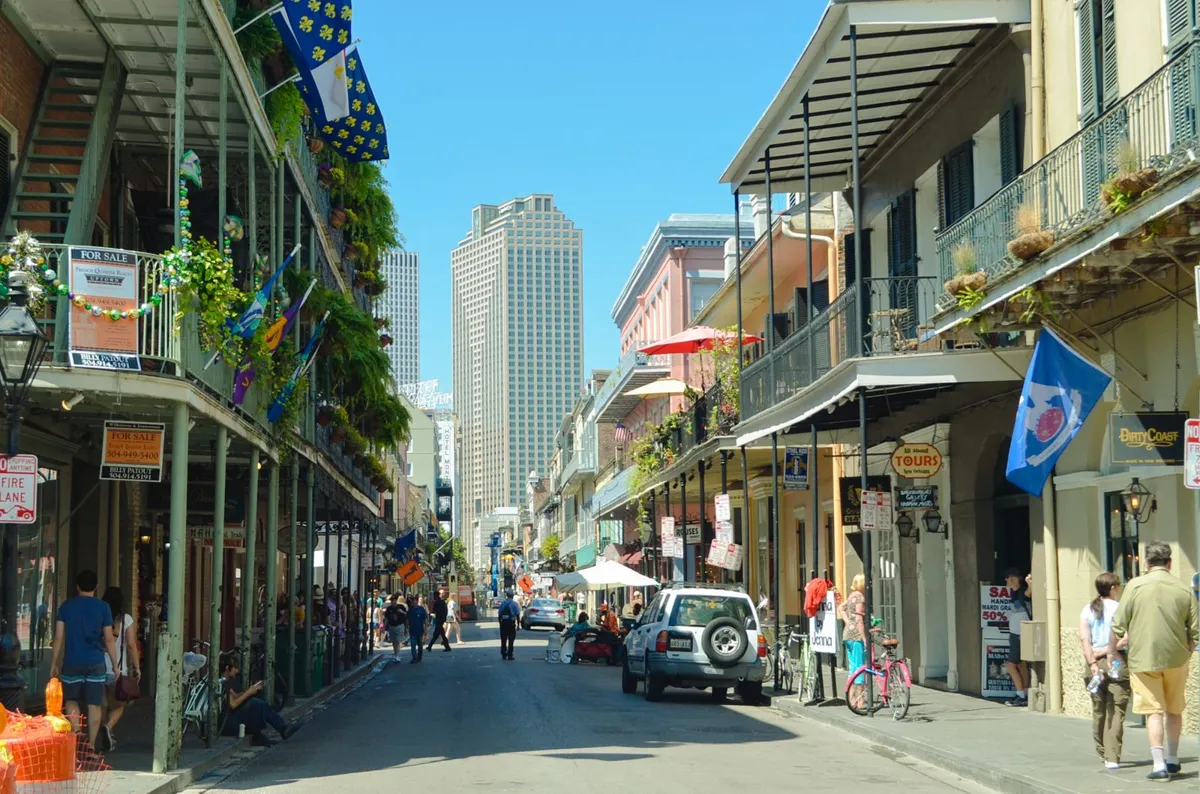 City Guides
The French Quarter is an important part of New Orleans, but a neighborhood-focused visit reveals a broader city. Choose contrasts without turning residents' streets into a sightseeing set.
Read the guide ↗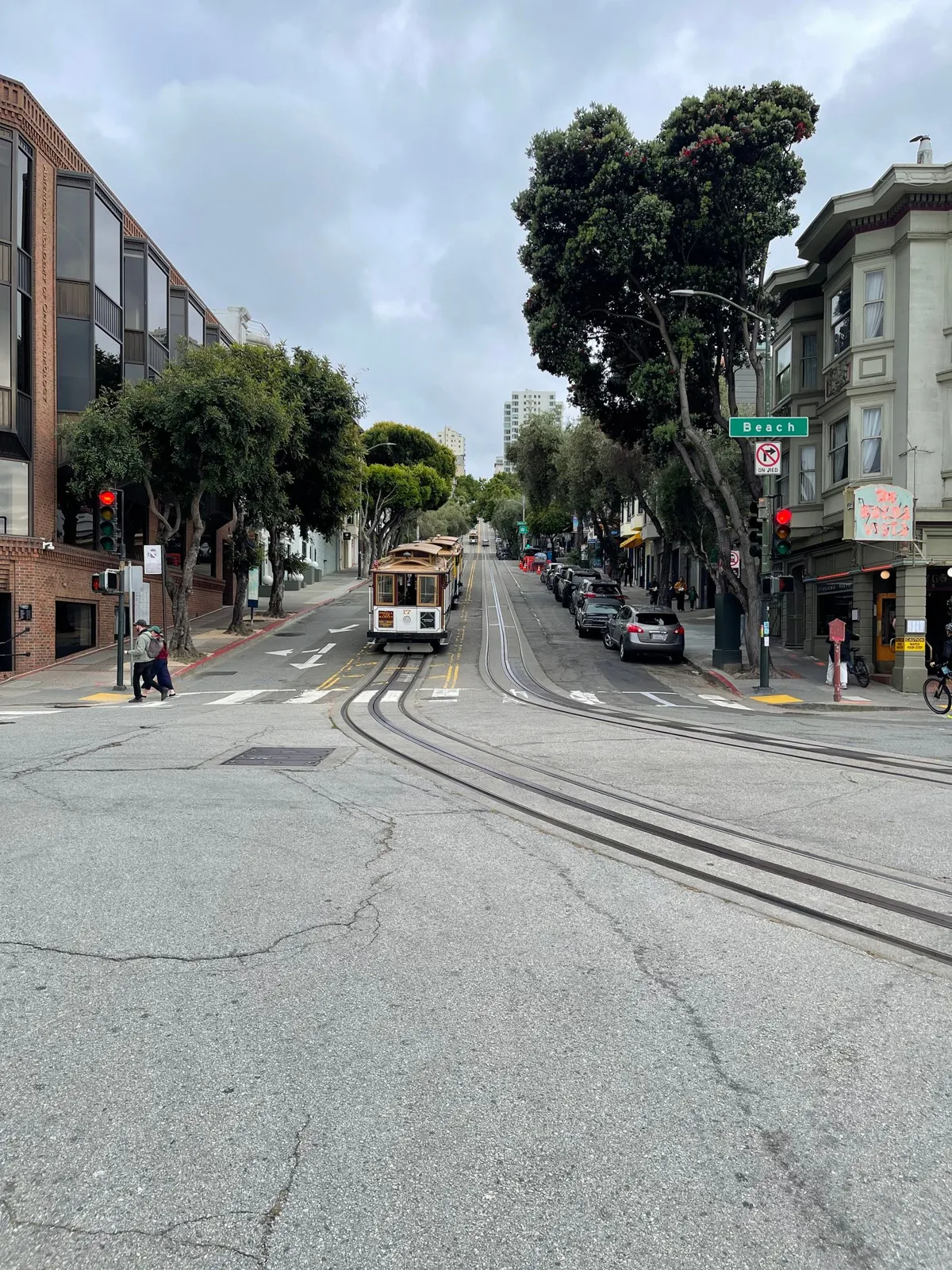 City Guides
In San Francisco, elevation can matter more than distance. A route that looks short on a phone may contain the most demanding walking of the trip.
Read the guide ↗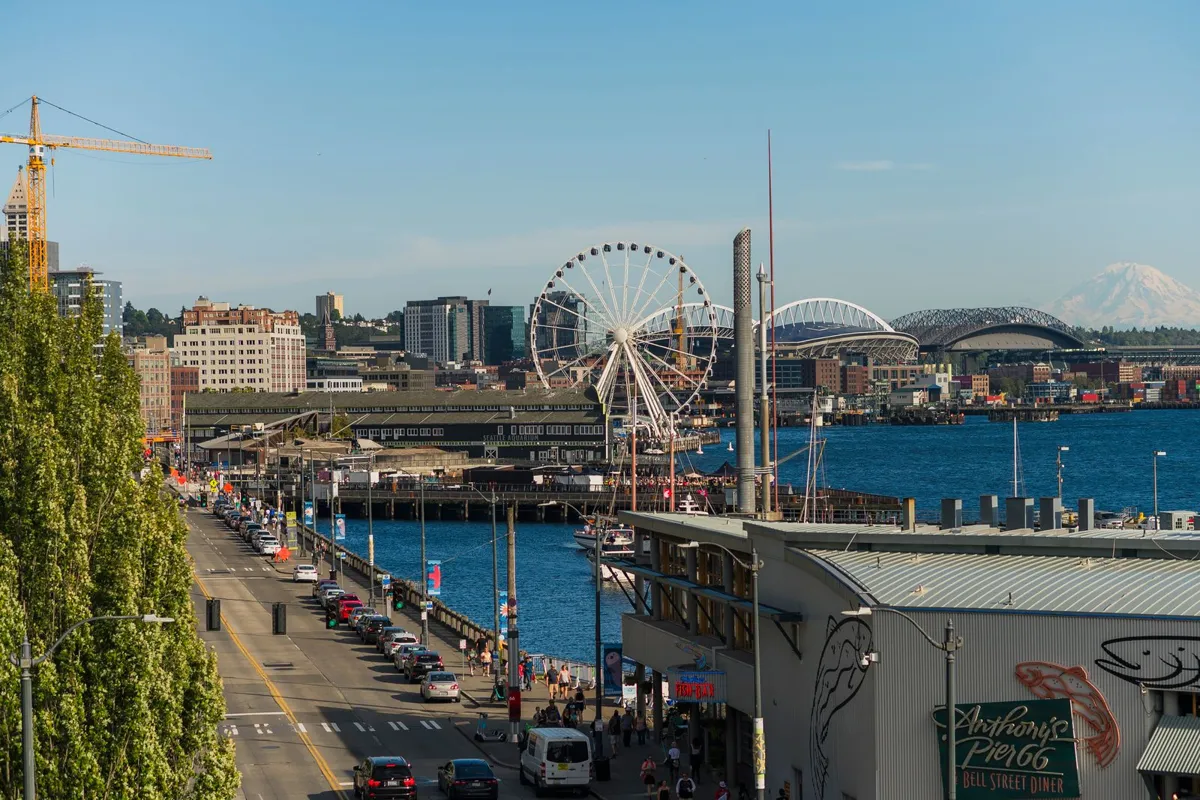 City Guides
Pike Place Market is a useful introduction to Seattle, but waterways and separated neighborhoods make the rest of the visit a series of deliberate choices.
Read the guide ↗ City Guides
Montreal's neighborhoods offer different street patterns, food traditions and public spaces. A short trip gains more from a few coherent days than from constant trips across the map.
Read the guide ↗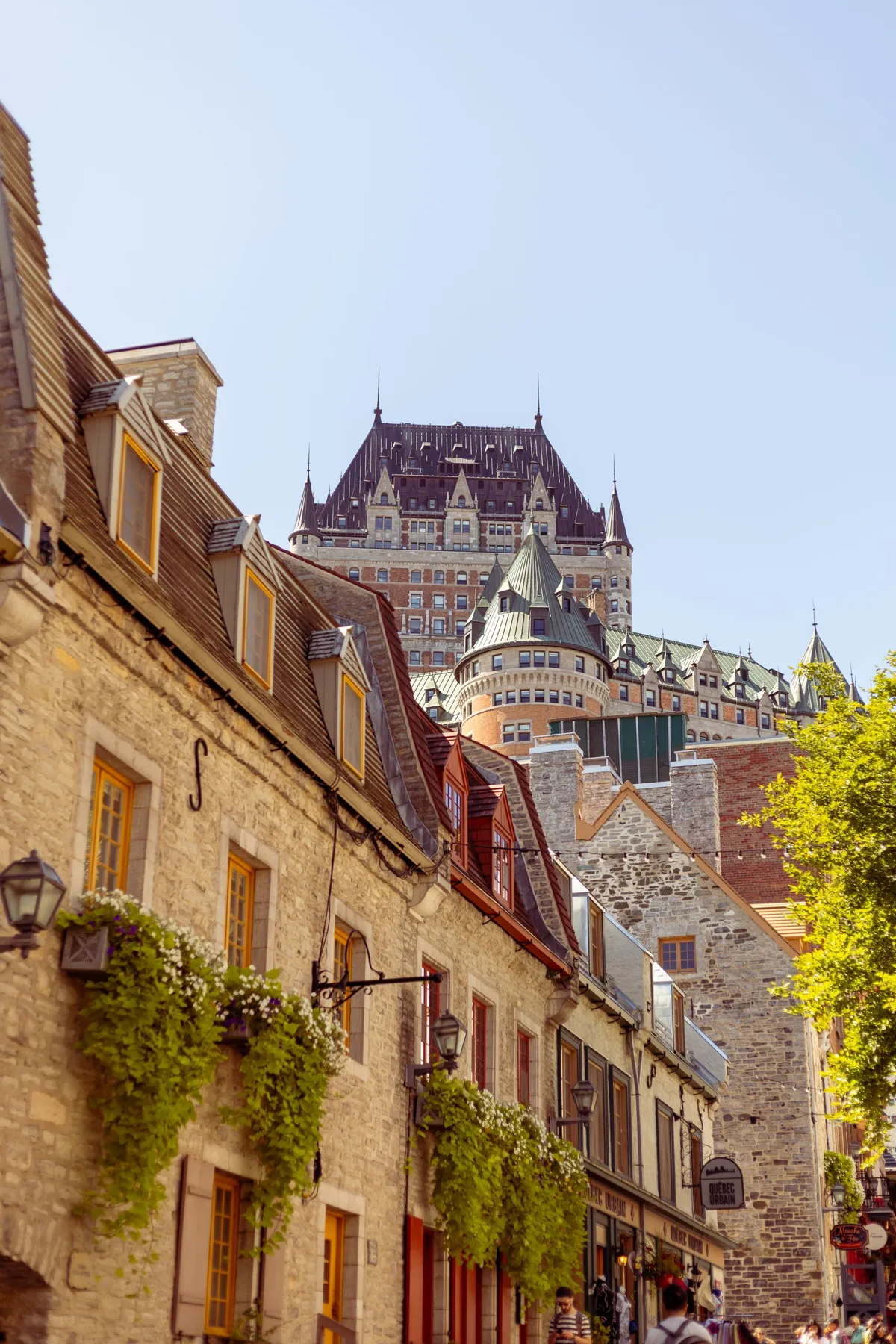 City Guides
Old Quebec's upper and lower levels look close on a map. The climb between them should be a conscious part of your day, particularly with luggage or in winter.
Read the guide ↗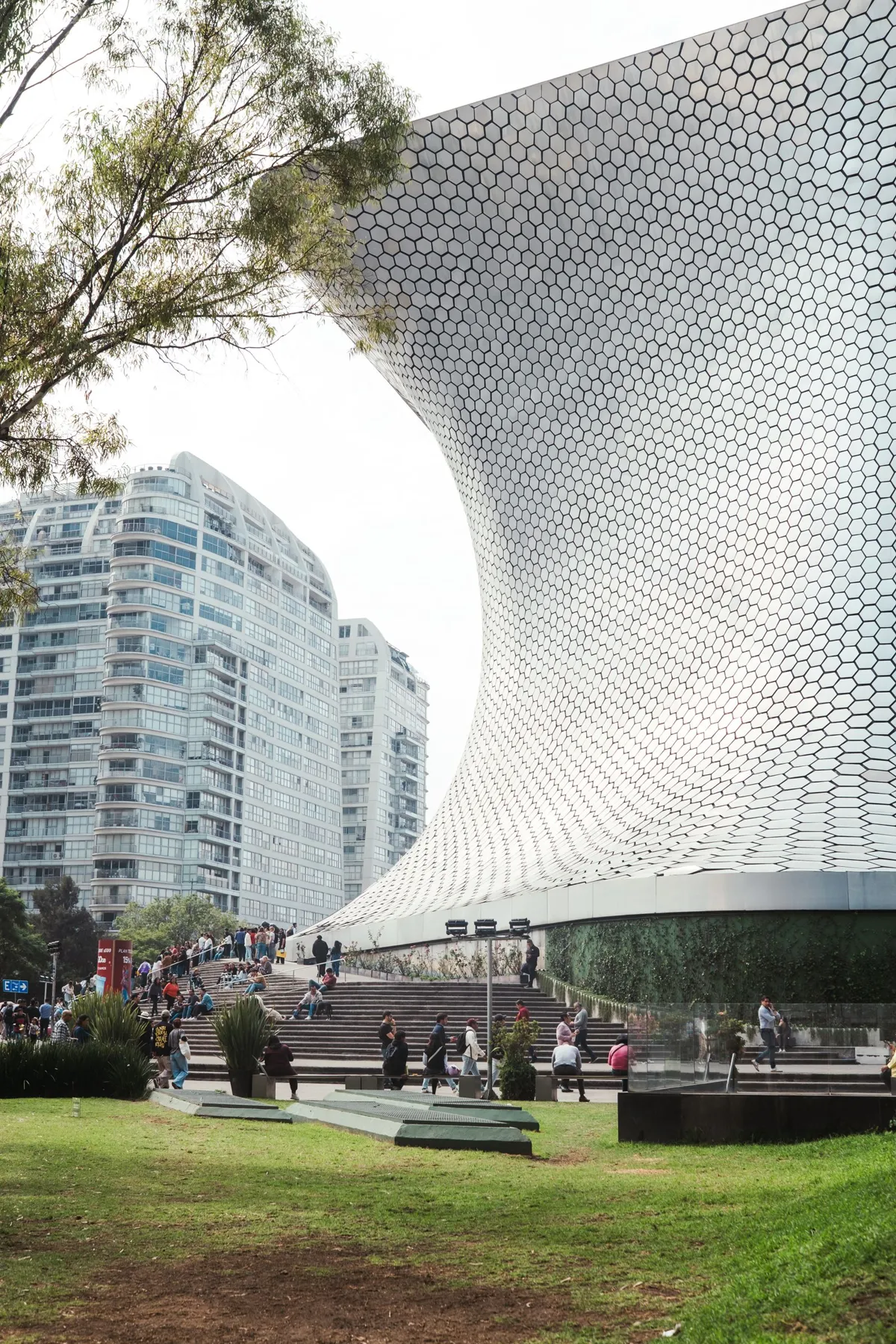 City Guides
Mexico City rewards neighborhood-sized days and generous travel margins. Its scale makes a short list of well-chosen areas more useful than a long list of landmarks.
Read the guide ↗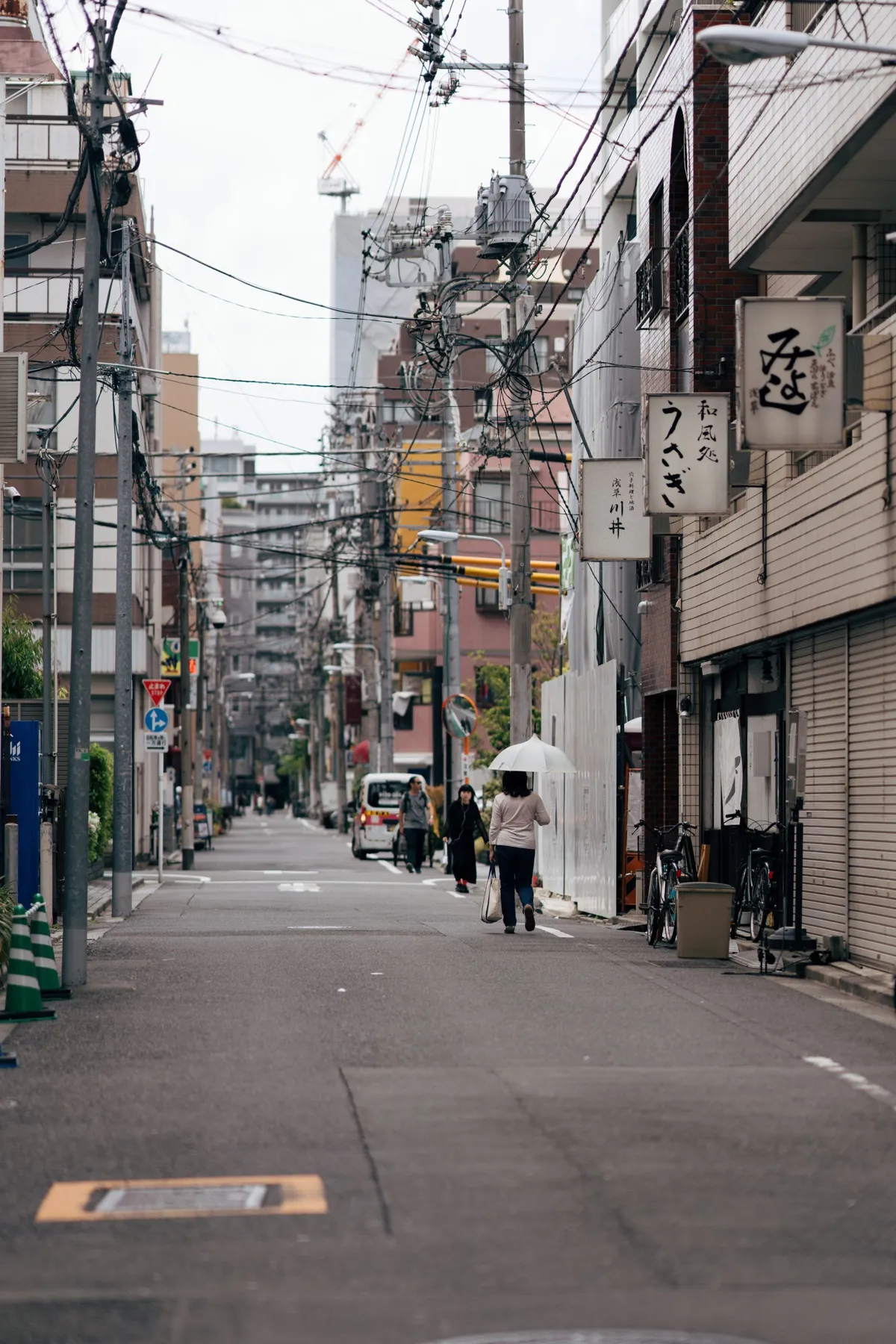 City Guides
Tokyo is easier to approach as a series of areas with different rhythms. Choose a neighborhood anchor, learn the station exit and leave time to explore after the train ride.
Read the guide ↗ City Guides
Kyoto's best-known sights are spread across different edges of the city. Grouping them geographically is more useful than arranging them in order of fame.
Read the guide ↗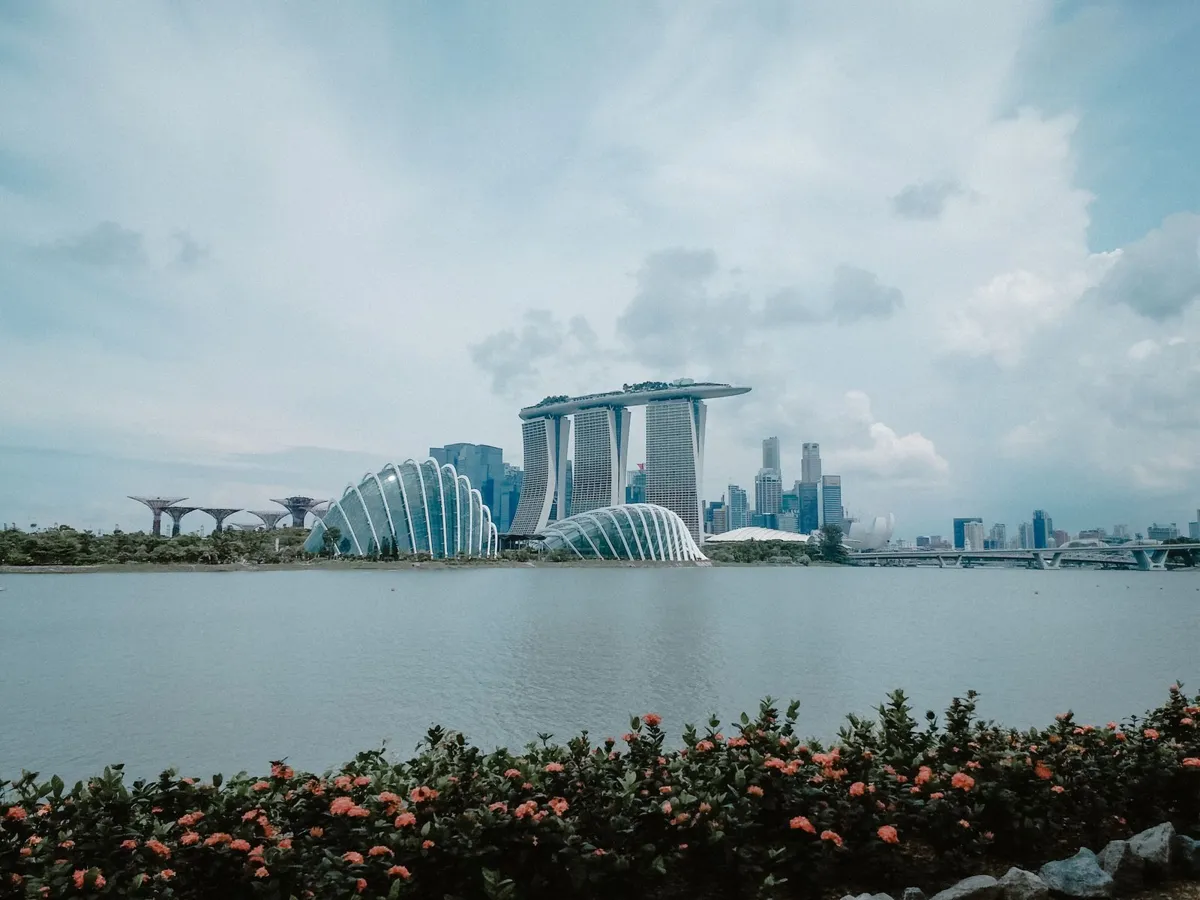 City Guides
Singapore's compact map can encourage long outdoor days. A better first visit alternates neighborhood walks with sheltered time and keeps weather-sensitive plans flexible.
Read the guide ↗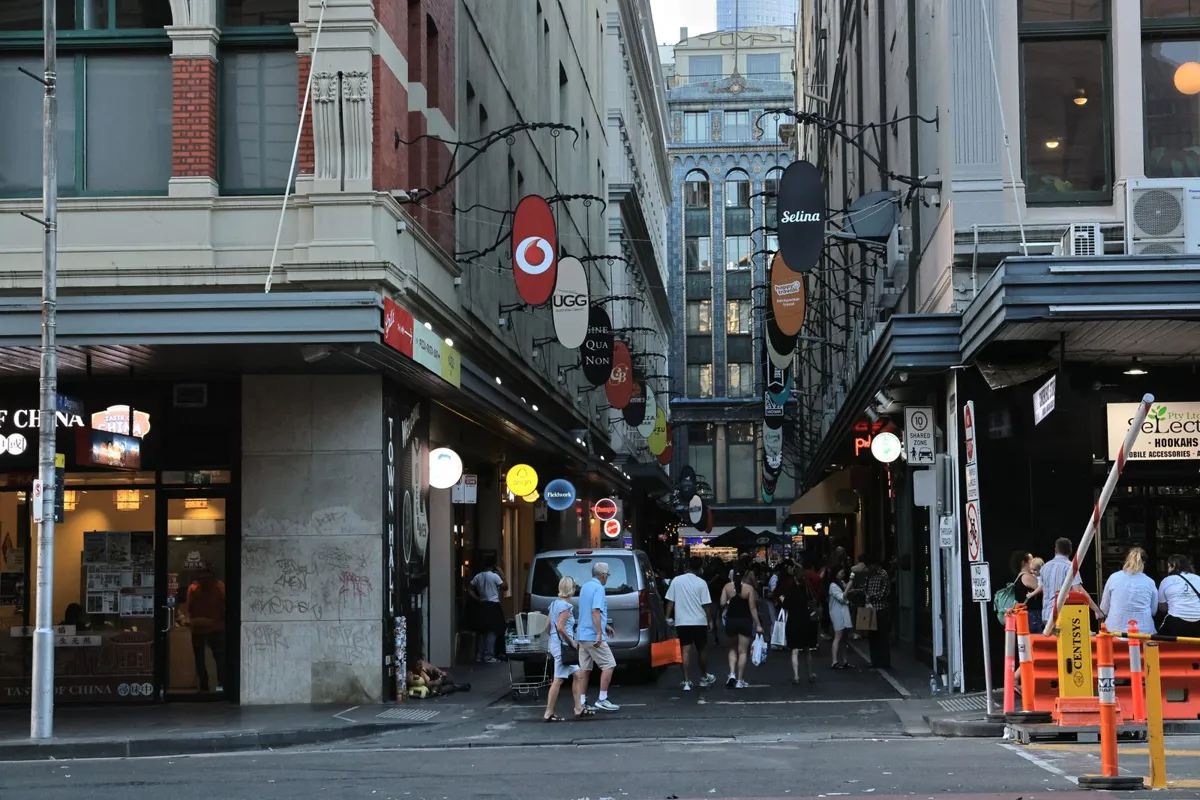 City Guides
Melbourne's laneways make a strong first impression, but the surrounding neighborhoods and river give that compact center a wider context.
Read the guide ↗No guides match these choices. Try a different search or topic.