 City Guides
A First Visit to Lisbon Without Rushing
Lisbon becomes easier to understand when you separate its lower streets, hillside neighborhoods and western waterfront instead of trying to connect every landmark in one walk.
Read the guide ↗Find a destination, sketch out a short route or work through the details of getting there.
City GuidesLisbon becomes easier to understand when you separate its lower streets, hillside neighborhoods and western waterfront instead of trying to connect every landmark in one walk.
Read the guide ↗ City Guides
Porto's riverfront and upper streets belong to the same visit, but not to the same level. Plan your climbs before committing to a long waterfront afternoon.
Read the guide ↗ City Guides
Madrid rewards days with a clear center of gravity: the old streets, the art museums or a residential neighborhood, rather than all three before lunch.
Read the guide ↗ City Guides
Barcelona has several distinct street patterns. Recognizing the old-city lanes, the Eixample grid and the waterfront helps you build days that fit together.
Read the guide ↗ City Guides
In Seville, the order of a day matters as much as its contents. Put exposed walks into comfortable conditions and avoid building the whole visit around continuous movement.
Read the guide ↗ City Guides
Granada is easier to enjoy when the Alhambra, the Albaicín and the lower center are planned as distinct pieces rather than one uninterrupted climb.
Read the guide ↗ City Guides
Valencia's old streets, former riverbed and seaside neighborhoods offer three different kinds of day. The futuristic skyline is only one part of the picture.
Read the guide ↗ City Guides
The Seine is a useful organizing line, not a boundary you must refuse to cross. Start with neighboring districts and save distant landmarks for another outing.
Read the guide ↗ City Guides
The Rhône and Saône give Lyon an unusually clear framework. Learn which waterway you are following before adding the city's hills and food stops.
Read the guide ↗ City Guides
Nice offers a compact historic core beside a long seafront. Enjoying both does not require walking the entire promenade or leaving town every day.
Read the guide ↗ City Guides
The Old Port is Marseille's strongest orientation point, but the surrounding neighborhoods reveal different parts of the city. Choose one extension at a time.
Read the guide ↗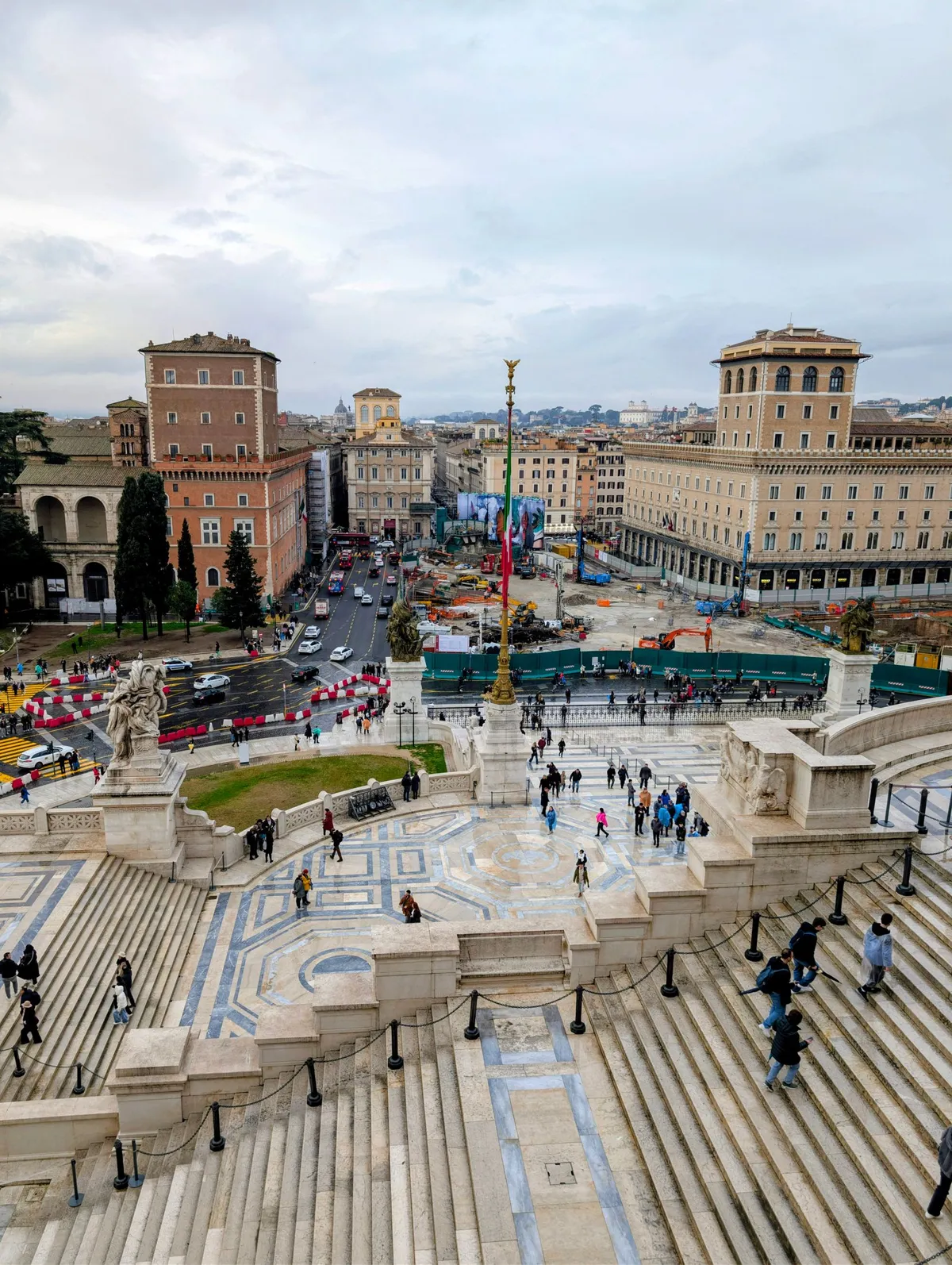 City Guides
Rome's landmarks are dense, but visiting them is not frictionless. Organize around a neighborhood and one important admission instead of drawing a line through every famous sight.
Read the guide ↗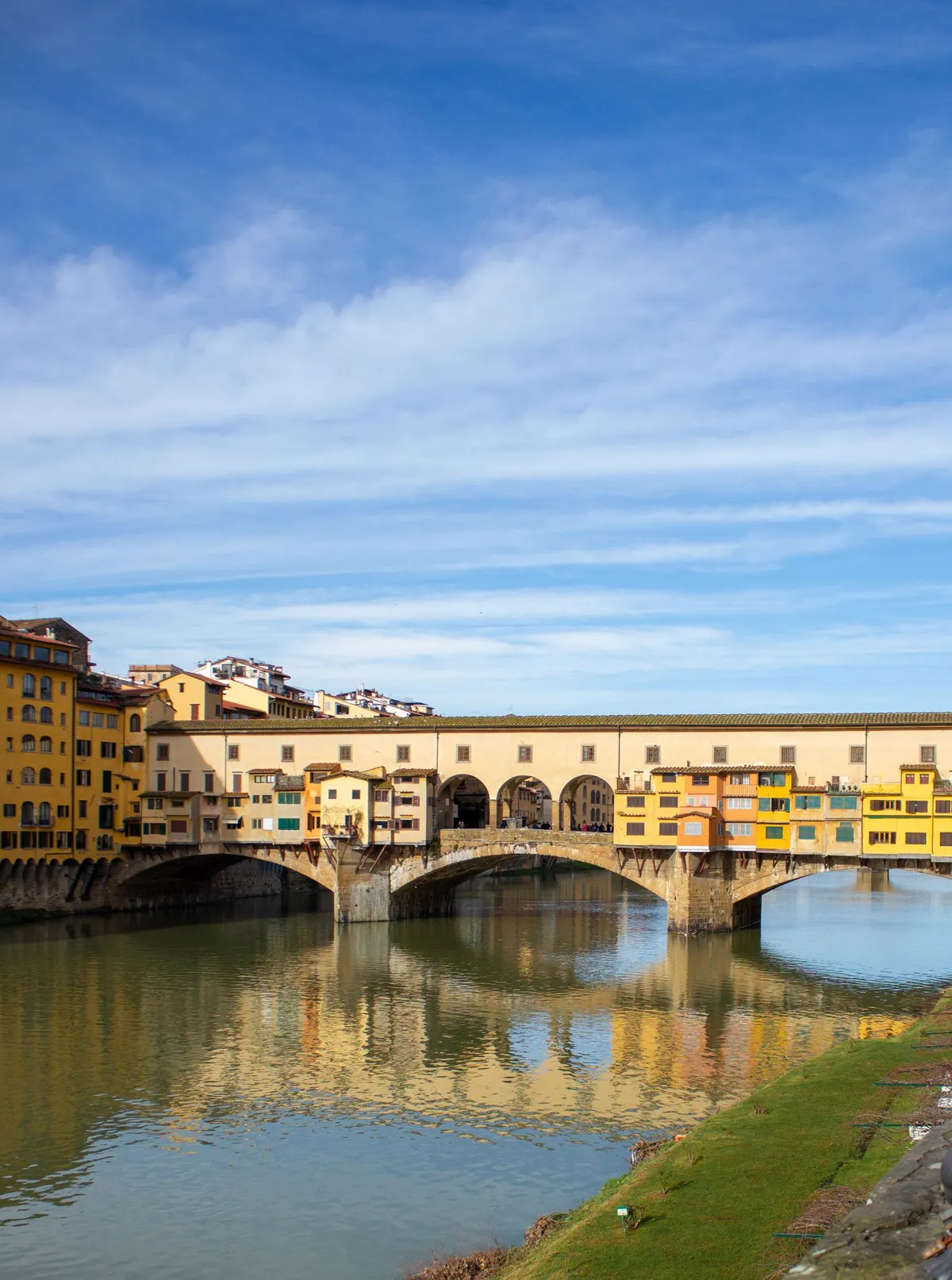 City Guides
Florence's collections deserve attention, but so do the streets between them. Make the Arno and the Oltrarno part of the visit rather than a hurried afterthought.
Read the guide ↗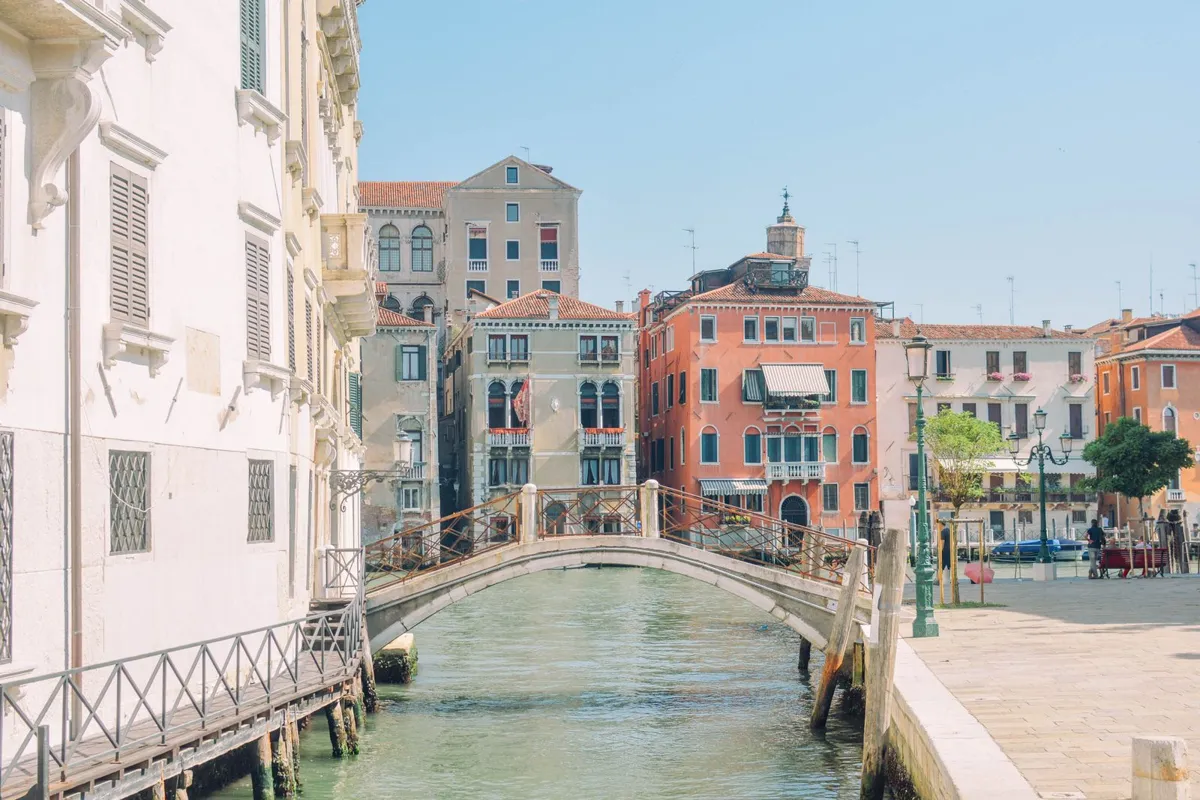 City Guides
A slower Venice visit starts with a smaller route. Bridges, dead ends and waterbus stops matter more than straight-line distance between two attraction pins.
Read the guide ↗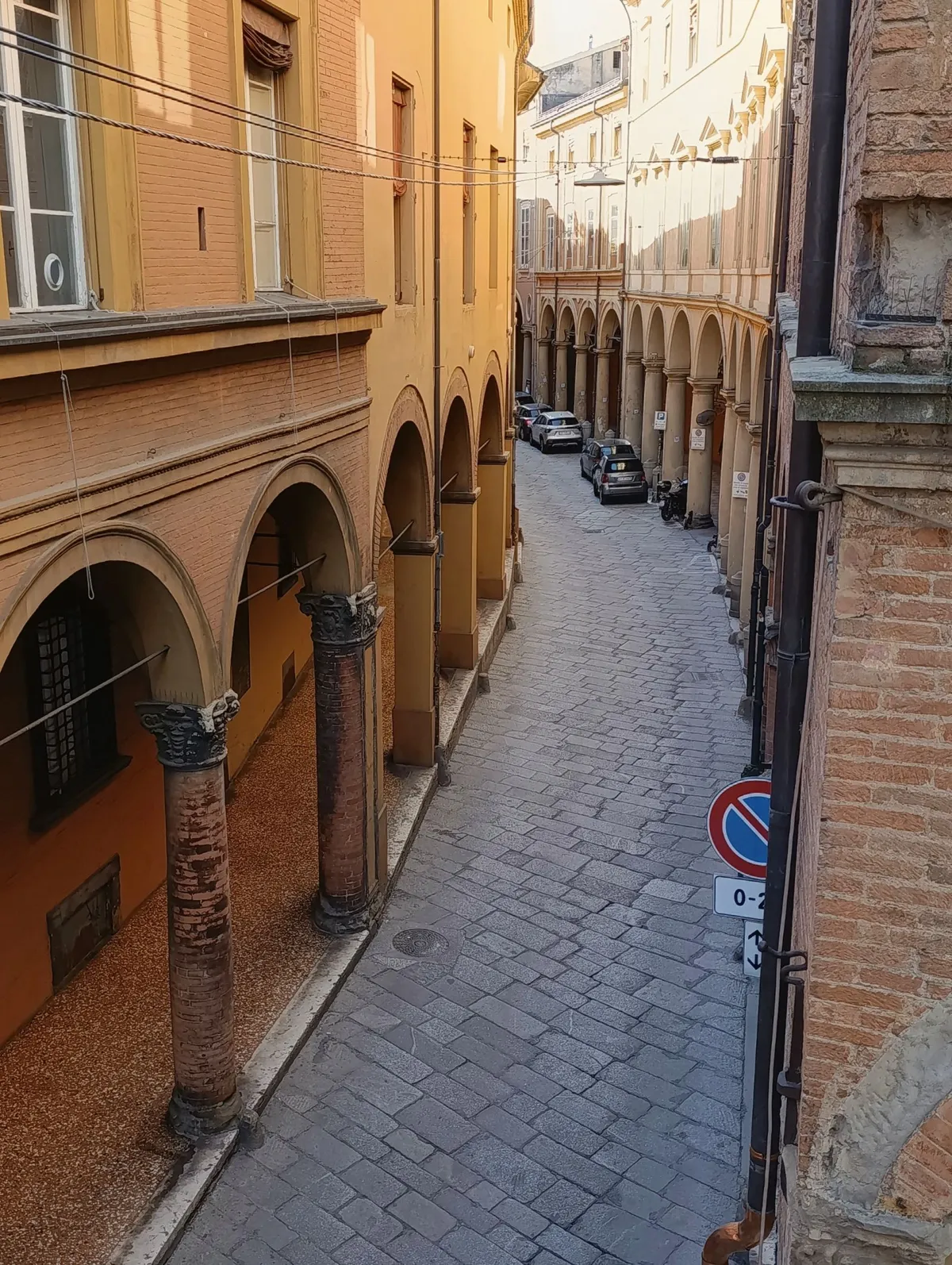 City Guides
Bologna's covered sidewalks are more than a rainy-day convenience. They connect everyday movement with the city's architecture, food streets and university life.
Read the guide ↗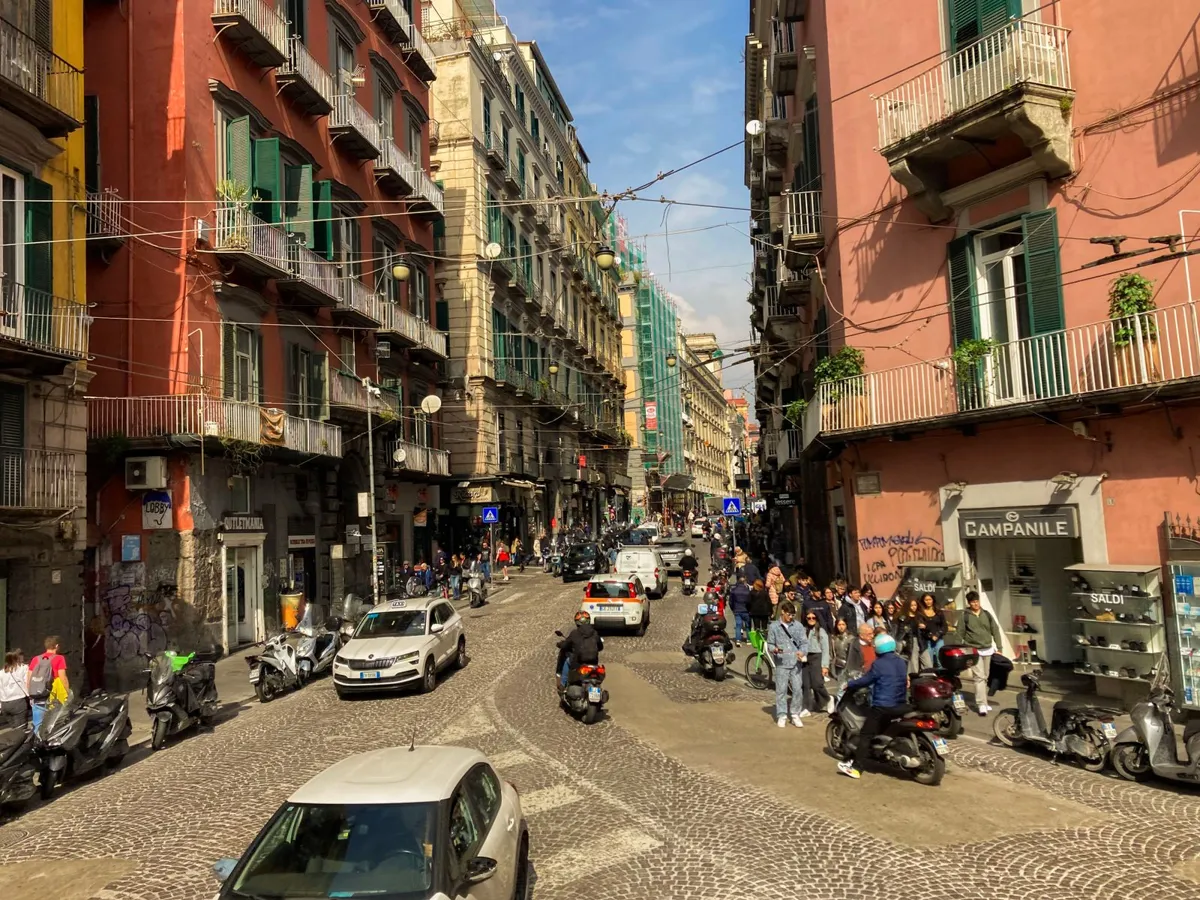 City Guides
Naples deserves more than the hours between an airport arrival and a trip to Pompeii. Begin with one piece of the city and allow its streets to take time.
Read the guide ↗ City Guides
Amsterdam's canal ring is a starting point, not the whole city. Choose one neighboring district to explore rather than trying to collect every version of Amsterdam in a day.
Read the guide ↗ City Guides
Rotterdam's architecture is best understood as a city people use, not a set of isolated objects. Follow a route that connects station, streets, public space and waterfront.
Read the guide ↗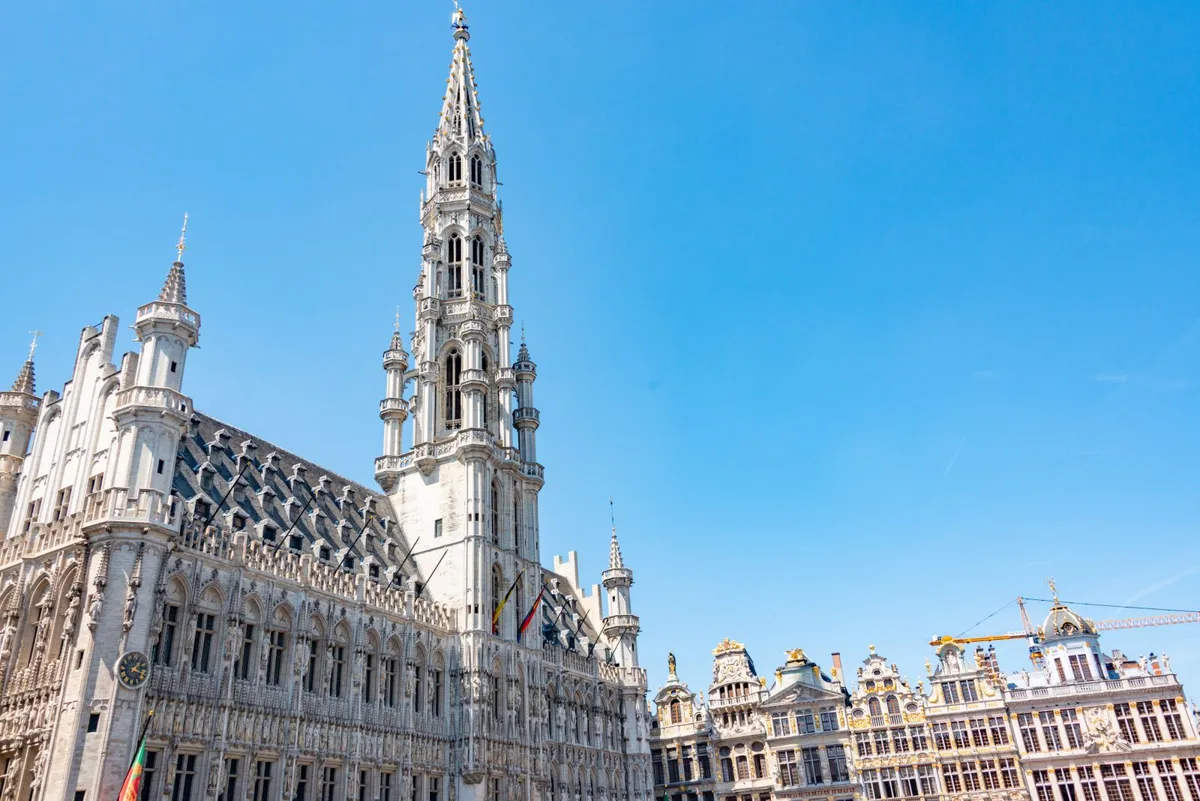 City Guides
A short Brussels visit works well when you understand the climb between the lower center and the upper town. Grand Place can be the beginning rather than the whole itinerary.
Read the guide ↗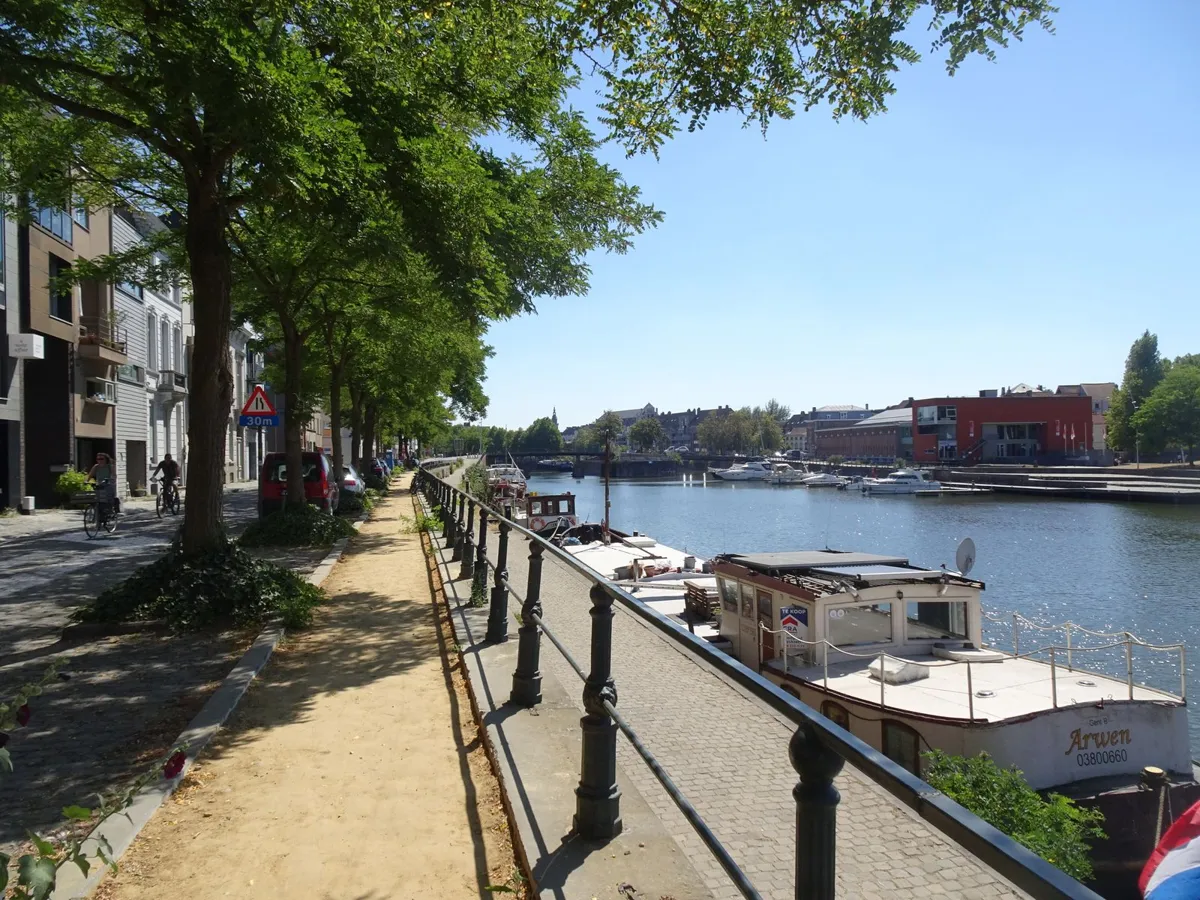 City Guides
An overnight stay in Ghent gives you time to see the same streets in different light. It is a chance to slow down, not a promise that the center will become empty.
Read the guide ↗ City Guides
Berlin becomes easier to plan when you stop searching for a single center. Its districts support different kinds of day, linked by transport rather than endless walking.
Read the guide ↗ City Guides
Munich can alternate between formal squares and generous parkland without becoming a marathon. Keep the green afternoon modest enough to enjoy it.
Read the guide ↗ City Guides
Hamburg contains several different waterfronts. The warehouse canals, the Elbe harbor and the Alster should not be mistaken for one continuous waterside neighborhood.
Read the guide ↗ City Guides
Cologne's cathedral is an unmistakable arrival landmark. The Rhine and the city's neighborhoods provide the next chapter, without requiring a complicated itinerary.
Read the guide ↗ City Guides
Vienna has enough collections for many visits. A first trip becomes clearer when you combine one of them with the streets, gardens and cafés around it.
Read the guide ↗ City Guides
Salzburg's hills explain the shape of its old town. They also change the physical demands of a visit, so choose a viewpoint route with the same care as a museum.
Read the guide ↗ City Guides
Prague's two central banks reward different pacing. The Old Town is a street-and-square outing; the castle side adds height and a more deliberate route.
Read the guide ↗ City Guides
Buda and Pest are connected by bridges but offer different terrain and street patterns. A good first visit lets that contrast organize the days.
Read the guide ↗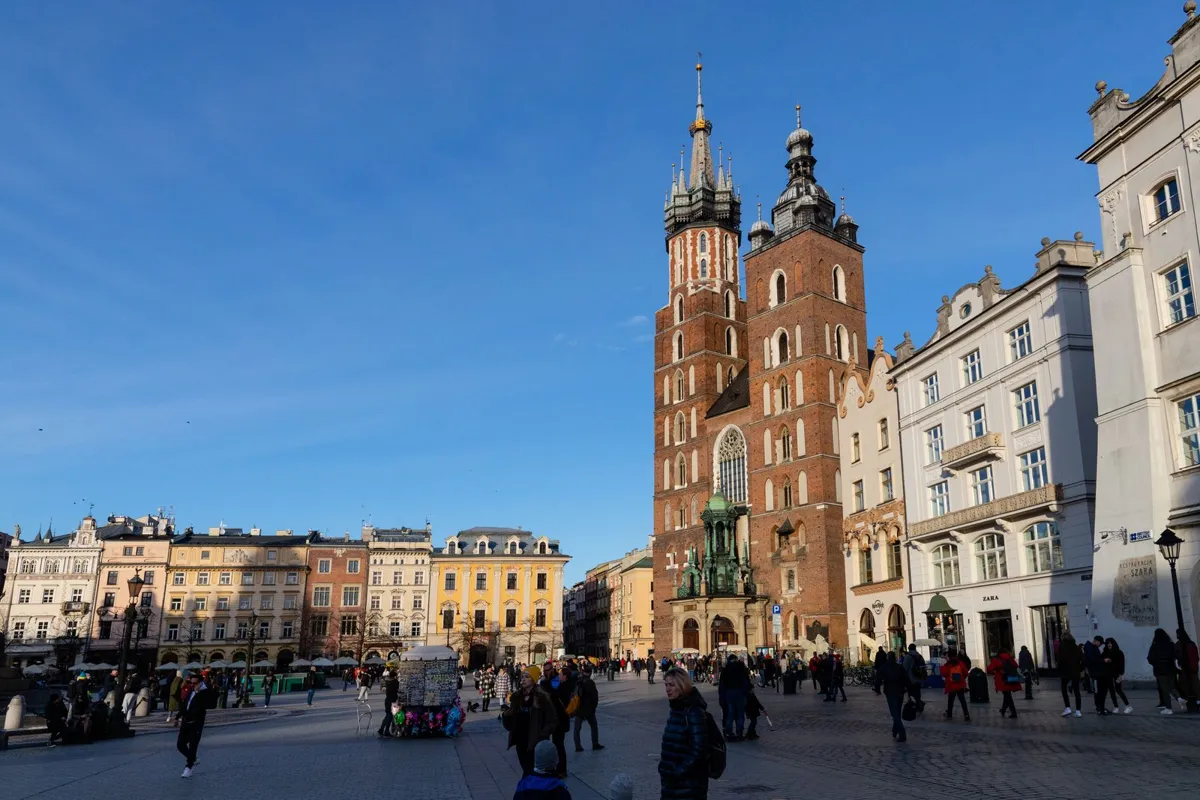 City Guides
Krakow's Old Town and Kazimierz can fit a short visit, but their histories should not be compressed into a single decorative walk.
Read the guide ↗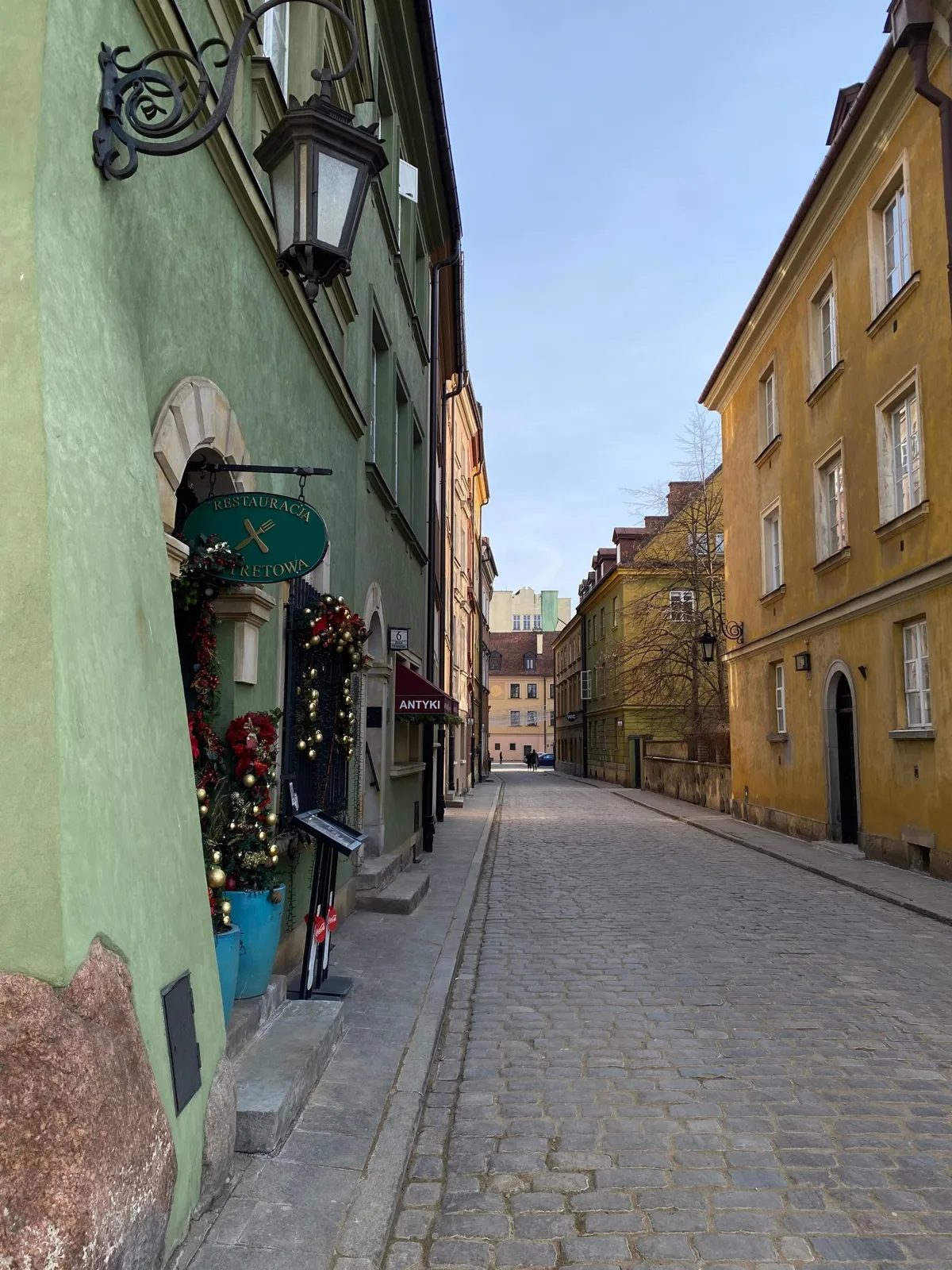 City Guides
Warsaw's reconstructed old streets are one chapter of a much larger city. Pair them with another district to understand the contrasts rather than expecting a single preserved historic core.
Read the guide ↗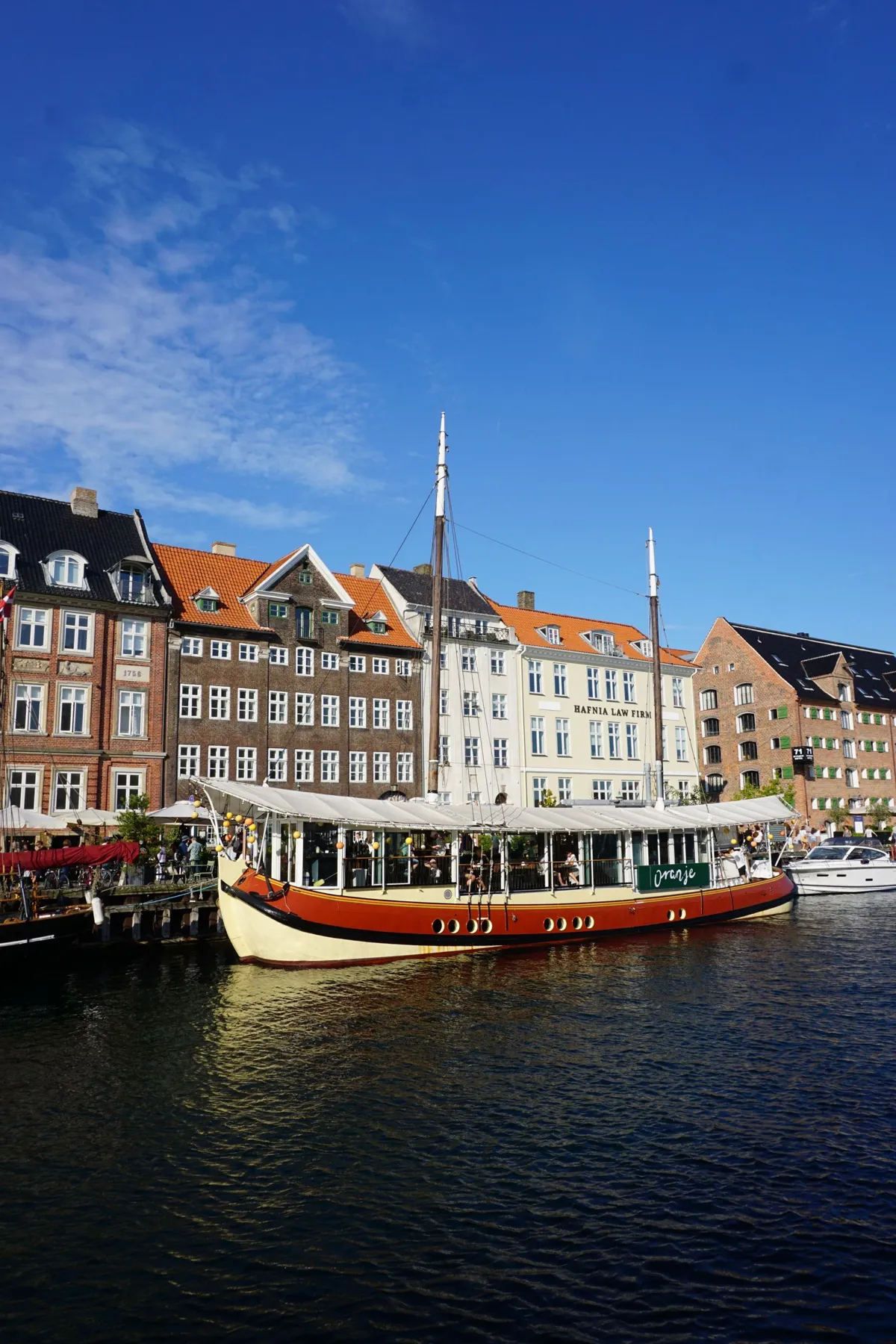 City Guides
Copenhagen's cycling reputation should not make a pedestrian visit feel second best. Its canals, squares and neighborhoods form rewarding routes when you respect how the streets work.
Read the guide ↗ City Guides
Stockholm's water gives the city its identity and shapes every route. Think in island-sized outings instead of treating every museum and viewpoint as part of one central walk.
Read the guide ↗ City Guides
Oslo makes it possible to combine urban water and forest, but they require different preparations. Keep the woodland outing deliberate rather than treating it as another city sidewalk.
Read the guide ↗ City Guides
Helsinki's design culture and maritime setting can share a visit without becoming a shop-to-shop checklist. Keep the center walk and an island outing on different scales.
Read the guide ↗ City Guides
Edinburgh's Old and New Towns contrast in street pattern as much as architecture. Read the contours before choosing a route between them.
Read the guide ↗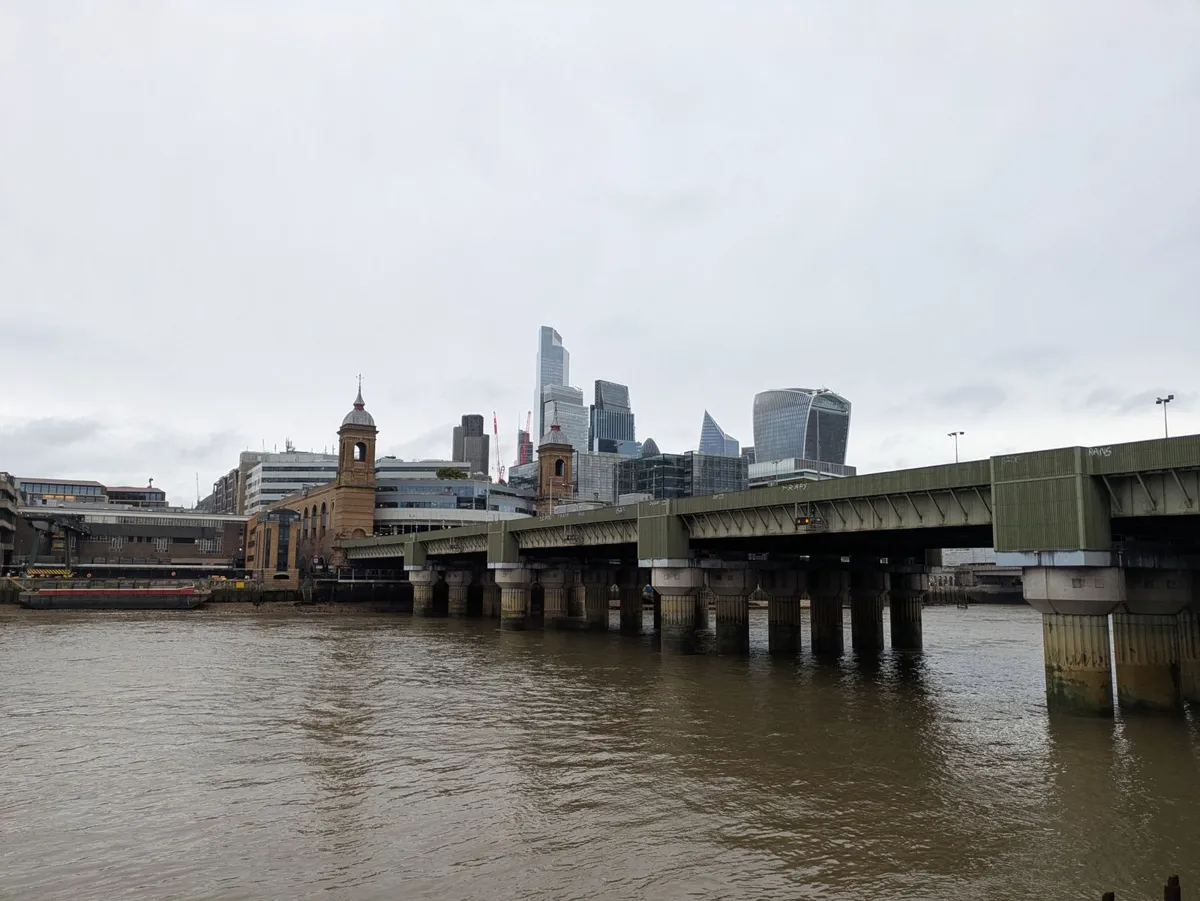 City Guides
London's transport network makes distant places reachable, but it does not make every combination sensible. Build days around a section of the city and let the connections support it.
Read the guide ↗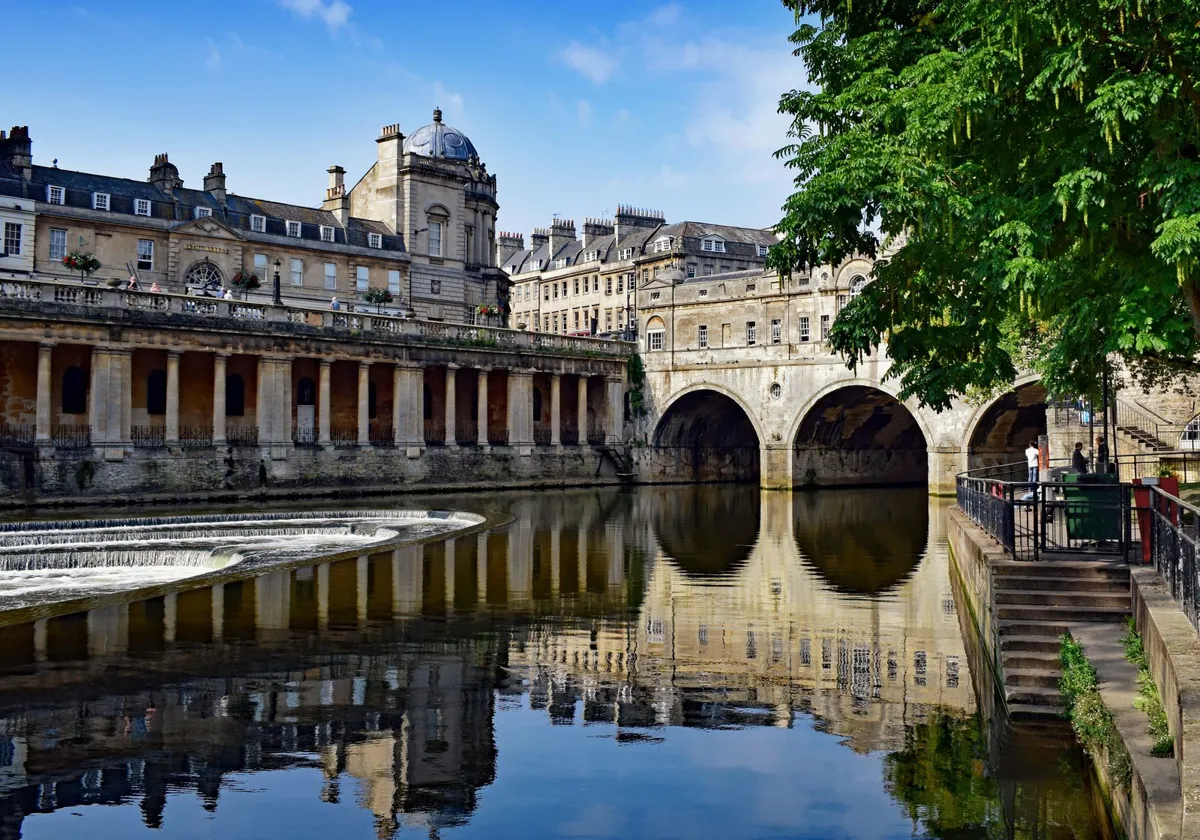 City Guides
Bath's central streets invite walking, but the city offers more than a single attraction. Combine its Georgian spaces with the river and one considered interior visit.
Read the guide ↗ City Guides
Dublin's central streets can support a relaxed walking visit, provided you distinguish a compact route from a list of attractions scattered across both sides of the Liffey.
Read the guide ↗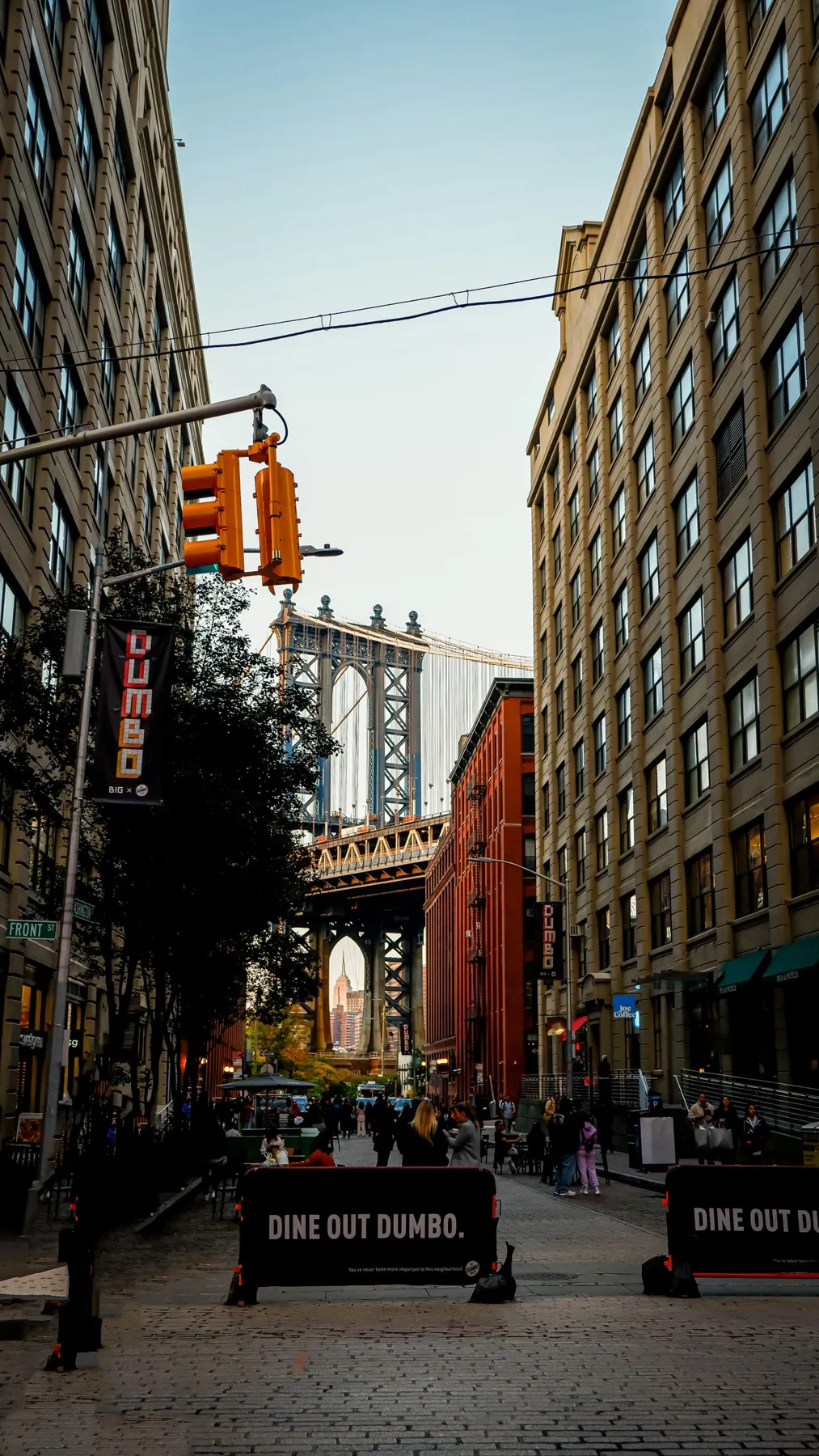 City Guides
New York feels more manageable when a day has a neighborhood anchor. The subway can connect your interests, but it cannot return the attention lost to an overfilled itinerary.
Read the guide ↗ City Guides
Boston's historic trail is a useful introduction, but it should not consume every decision. Add a neighborhood and a stretch of water to see a broader city.
Read the guide ↗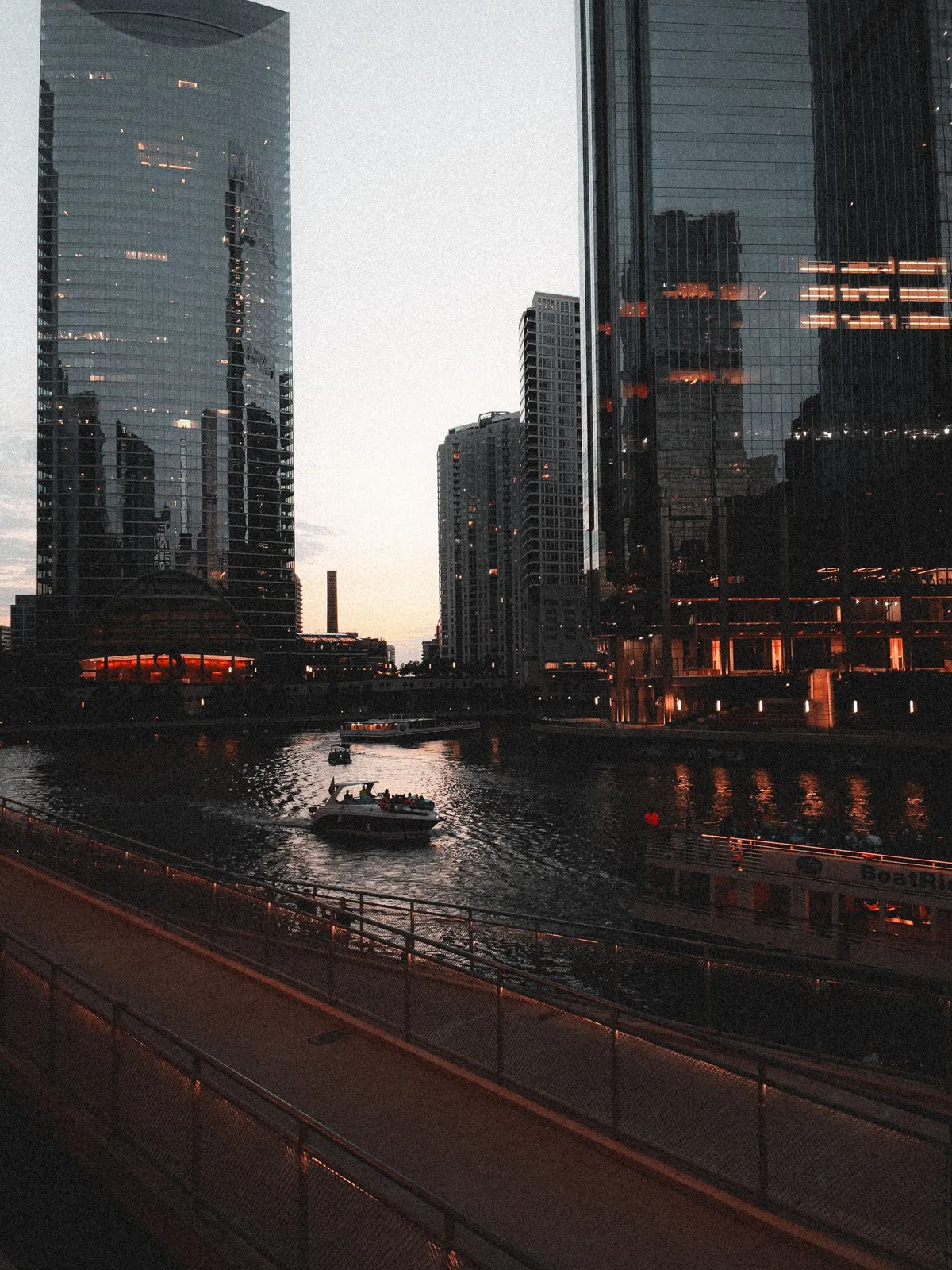 City Guides
Chicago's river and lakefront explain the city in different ways. Give each a distinct outing instead of treating both as one continuous waterfront walk.
Read the guide ↗ City Guides
The National Mall makes many institutions appear close together. A good Washington visit chooses carefully among them and leaves room for the city outside their doors.
Read the guide ↗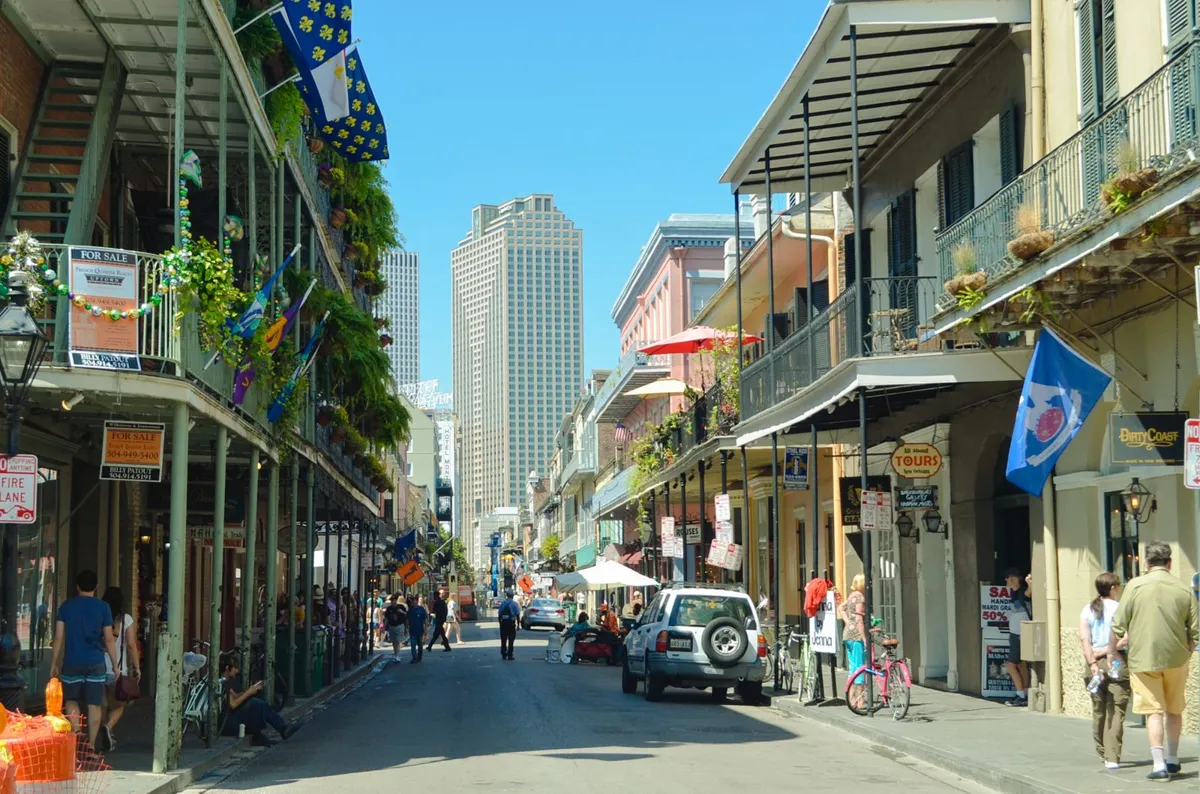 City Guides
The French Quarter is an important part of New Orleans, but a neighborhood-focused visit reveals a broader city. Choose contrasts without turning residents' streets into a sightseeing set.
Read the guide ↗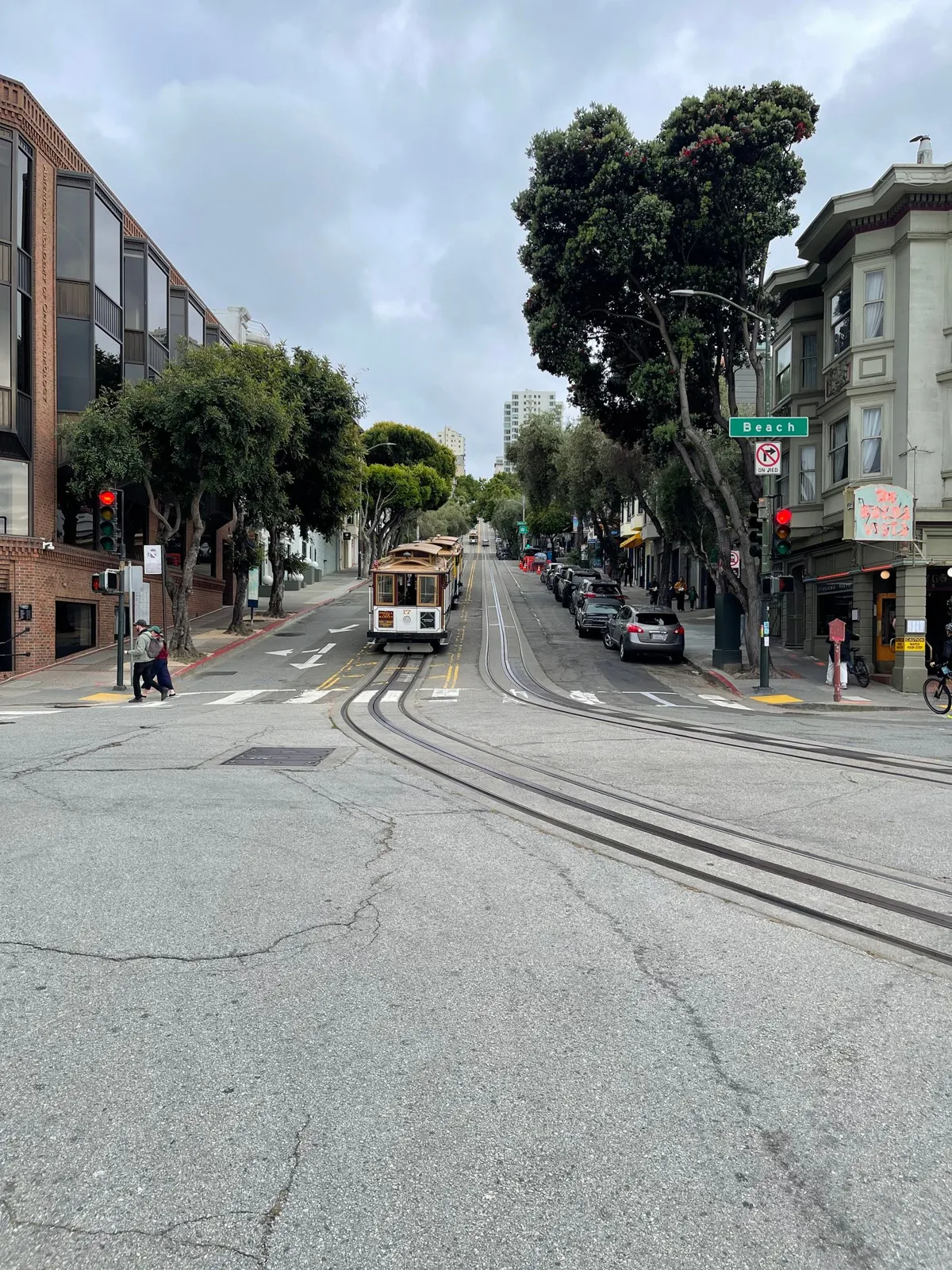 City Guides
In San Francisco, elevation can matter more than distance. A route that looks short on a phone may contain the most demanding walking of the trip.
Read the guide ↗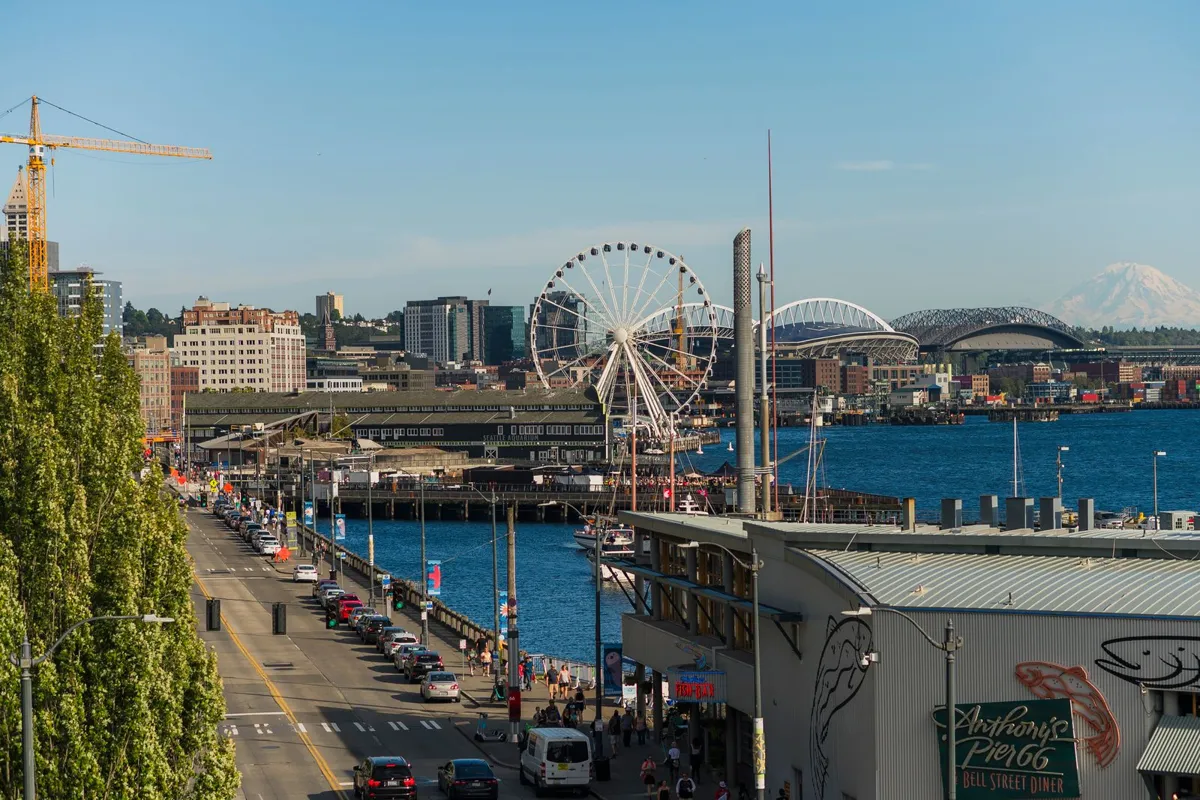 City Guides
Pike Place Market is a useful introduction to Seattle, but waterways and separated neighborhoods make the rest of the visit a series of deliberate choices.
Read the guide ↗ City Guides
Montreal's neighborhoods offer different street patterns, food traditions and public spaces. A short trip gains more from a few coherent days than from constant trips across the map.
Read the guide ↗ City Guides
Old Quebec's upper and lower levels look close on a map. The climb between them should be a conscious part of your day, particularly with luggage or in winter.
Read the guide ↗ City Guides
Mexico City rewards neighborhood-sized days and generous travel margins. Its scale makes a short list of well-chosen areas more useful than a long list of landmarks.
Read the guide ↗ City Guides
Tokyo is easier to approach as a series of areas with different rhythms. Choose a neighborhood anchor, learn the station exit and leave time to explore after the train ride.
Read the guide ↗ City Guides
Kyoto's best-known sights are spread across different edges of the city. Grouping them geographically is more useful than arranging them in order of fame.
Read the guide ↗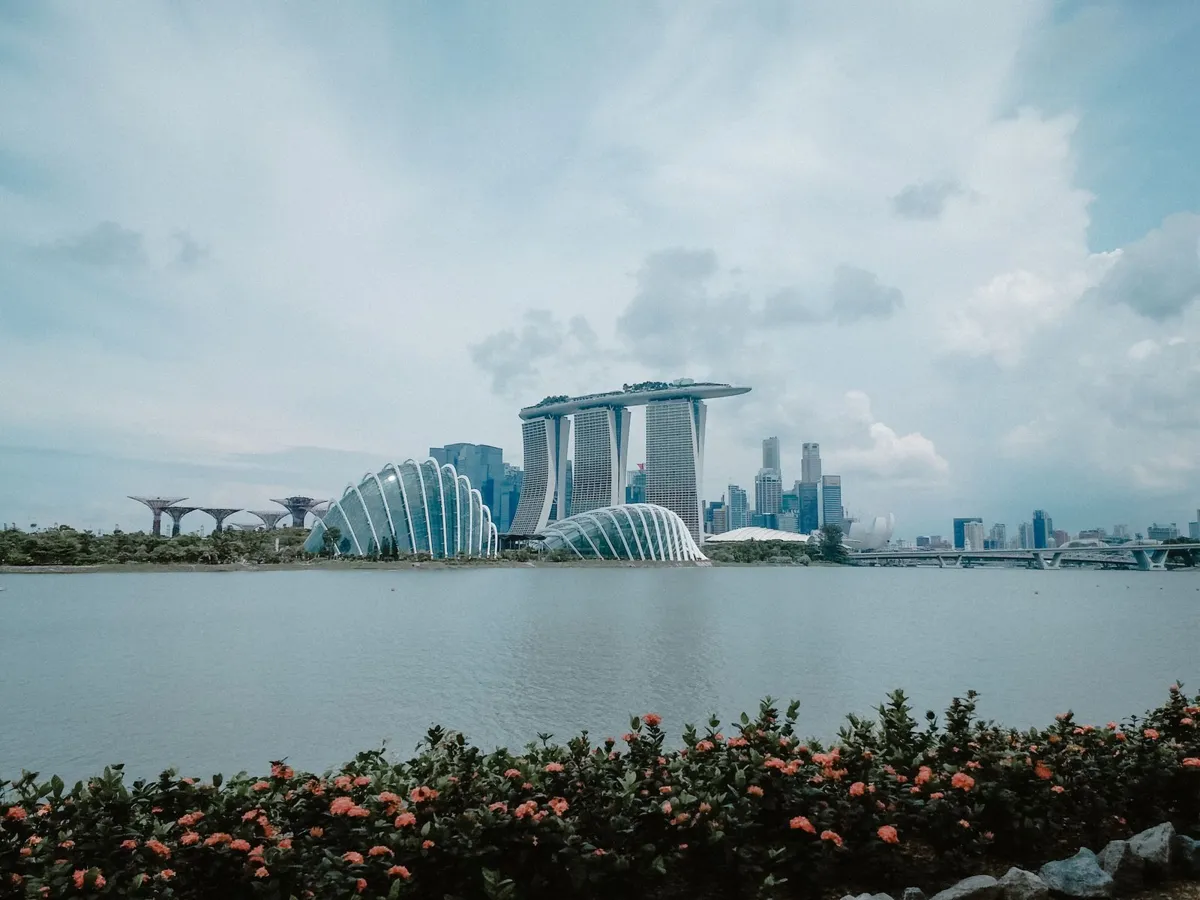 City Guides
Singapore's compact map can encourage long outdoor days. A better first visit alternates neighborhood walks with sheltered time and keeps weather-sensitive plans flexible.
Read the guide ↗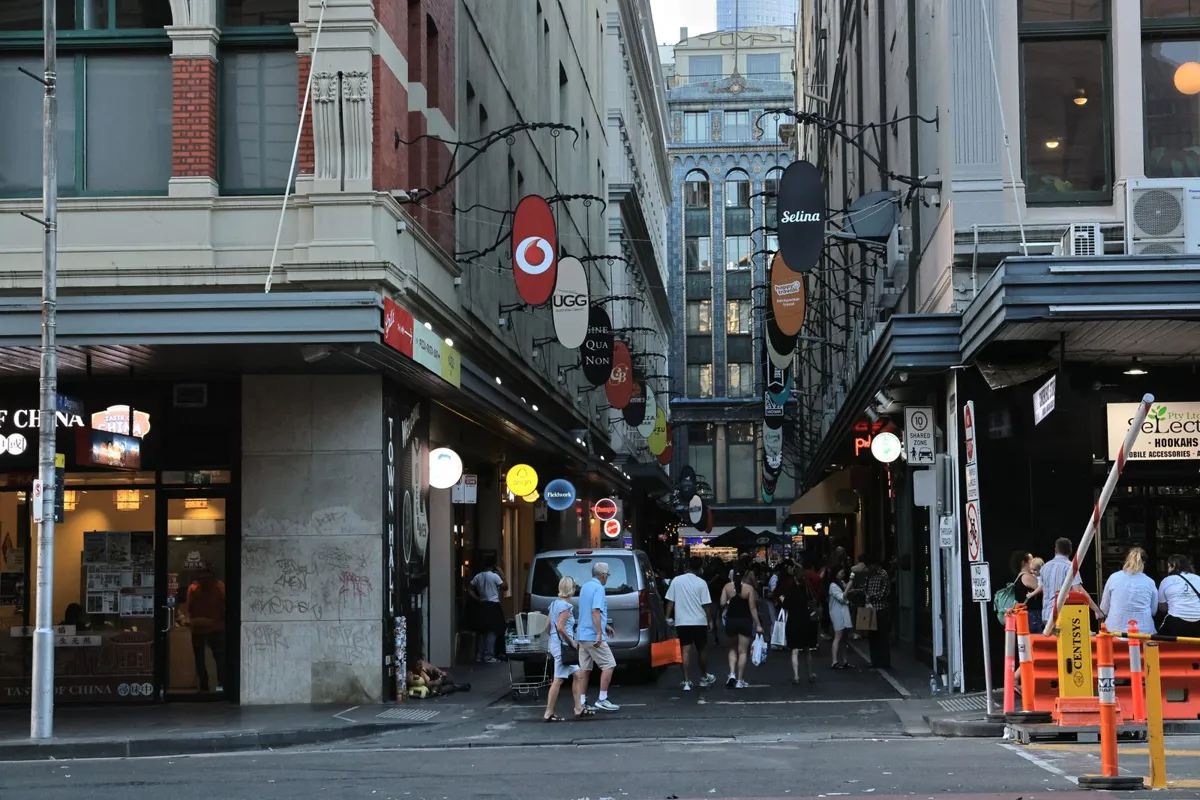 City Guides
Melbourne's laneways make a strong first impression, but the surrounding neighborhoods and river give that compact center a wider context.
Read the guide ↗ Weekend Routes
This weekend keeps Saturday around Baixa and the eastern hills, then gives Sunday to Belém. It deliberately leaves Sintra and a full round of viewpoints for another trip.
Read the guide ↗ Weekend Routes
Use Saturday to descend from Porto's upper streets to Ribeira, then approach Gaia on Sunday with a clear choice between river-level visits and an elevated view.
Read the guide ↗ Weekend Routes
One major art collection, a second optional smaller visit and two different neighborhood walks make a weekend that leaves space to remember what you have seen.
Read the guide ↗ Weekend Routes
This route connects the old city's eastern streets with Barceloneta and a limited stretch of coast. It is a seaside city weekend, not a complete tour of Barcelona's architecture.
Read the guide ↗ Weekend Routes
This Seville route places its largest visit in the morning, protects a genuine afternoon pause and uses the second day for a park and a different side of the river.
Read the guide ↗ Weekend Routes
Keep Saturday around Valencia's historic center and a short Turia segment, then use Sunday for the maritime side. The science complex is an optional swap, not an extra compulsory day squeezed in.
Read the guide ↗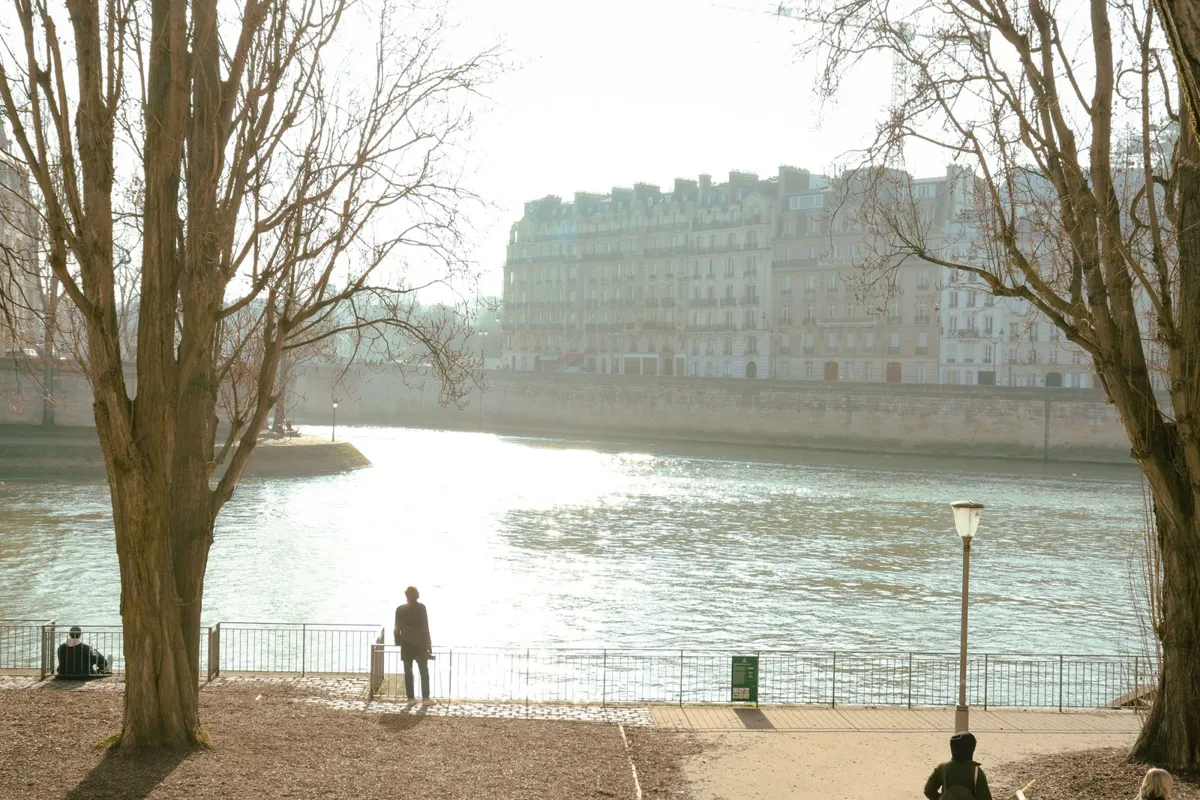 Weekend Routes
This weekend stays around the central Seine, Saint-Germain and the Marais. It gives up a citywide highlight reel in exchange for fewer transfers and more time in the streets.
Read the guide ↗ Weekend Routes
Saturday pairs Vieux Lyon with Fourvière; Sunday stays mostly on the peninsula before an optional Croix-Rousse outing. Each hill has its own place rather than becoming a repeated climb.
Read the guide ↗ Weekend Routes
Skip the automatic Riviera day trip. Two days in Nice can combine old streets, a hilltop view, a museum and unhurried time by the sea.
Read the guide ↗ Weekend Routes
This route gives Saturday to ancient Rome and Monti, then Sunday to the historic center and a possible river crossing. It leaves the Vatican as a replacement choice, not an automatic third day.
Read the guide ↗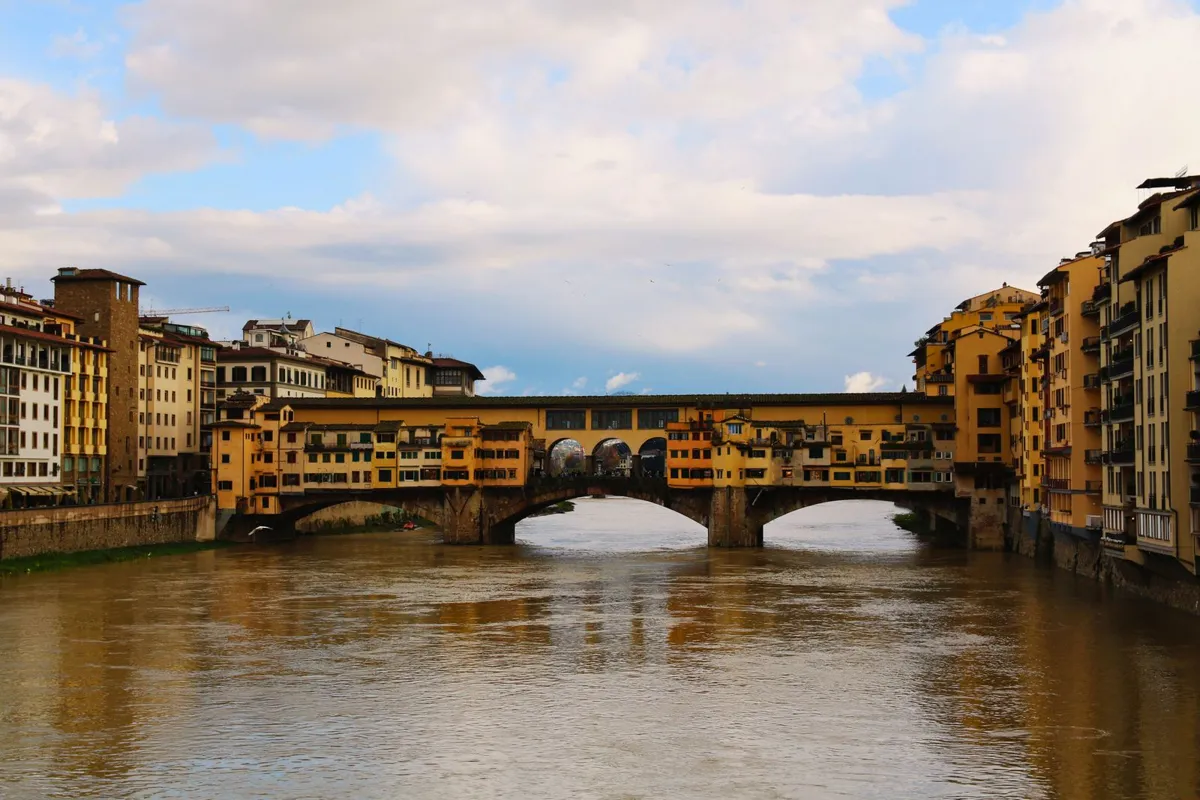 Weekend Routes
One major collection on Saturday and an Oltrarno-focused Sunday give Florence a balanced weekend. The river crossing changes the setting without demanding a long excursion.
Read the guide ↗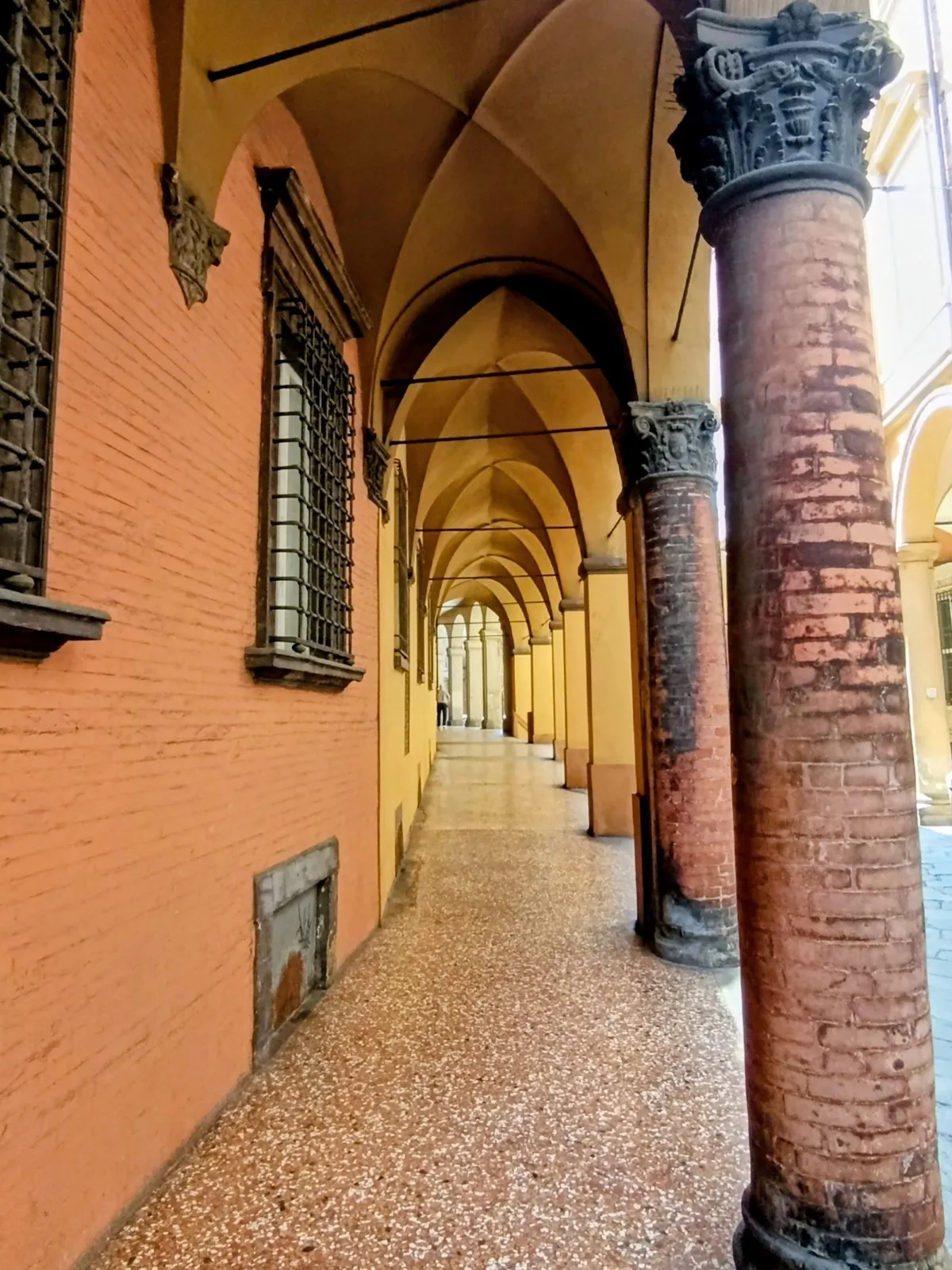 Weekend Routes
Bologna's central streets and porticoes support a weekend on foot, with transport used only for an optional farther outing. A rental car adds little to this particular plan.
Read the guide ↗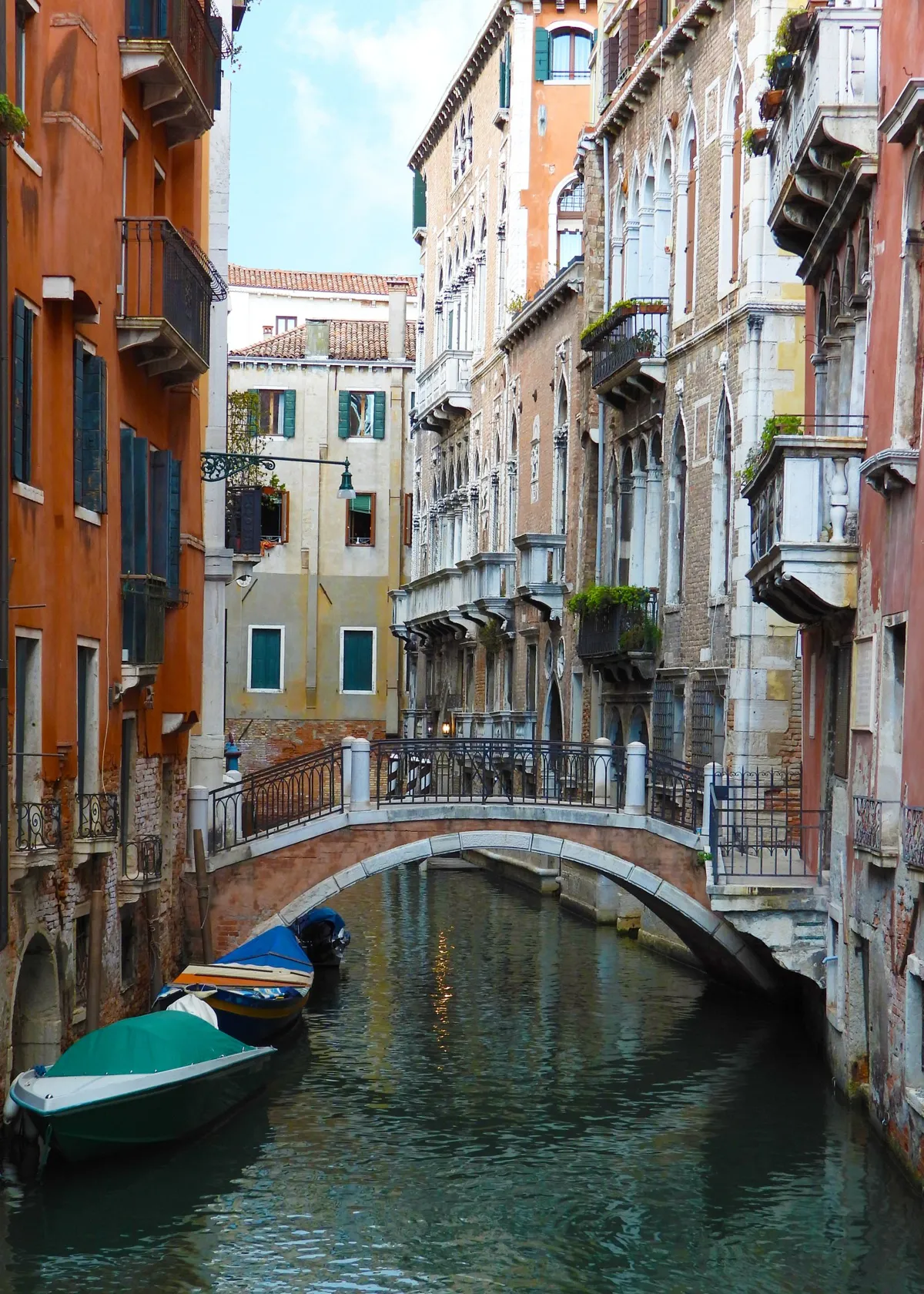 Weekend Routes
Two nights let you experience Venice before and after the busiest daytime movements. Use that time to stay within a few districts rather than turning the weekend into an island-hopping race.
Read the guide ↗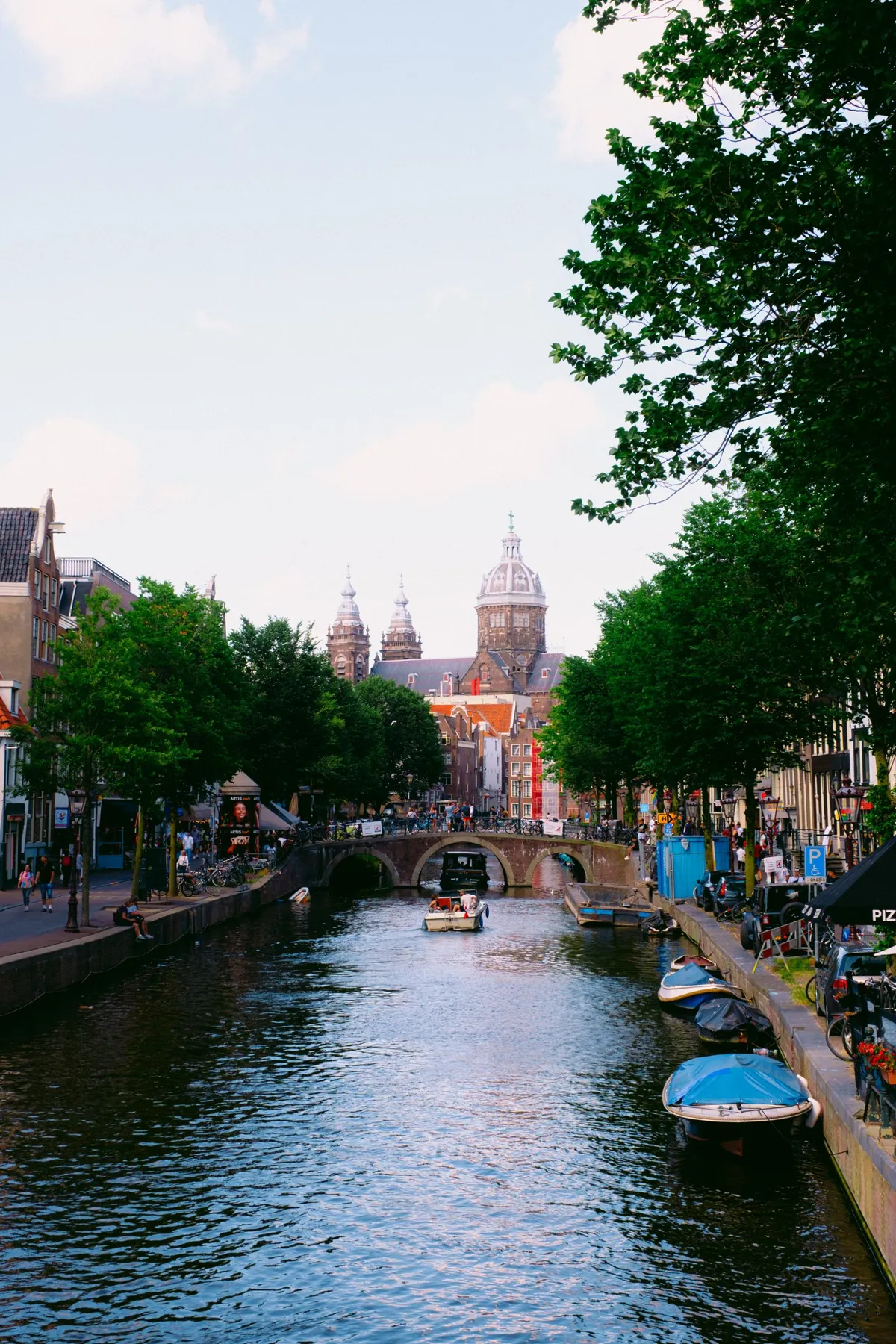 Weekend Routes
A weekend centered on the western canal area, Jordaan and Oud-West can feel complete without constant trips across Amsterdam. One museum remains optional rather than compulsory.
Read the guide ↗ Weekend Routes
Divide the weekend between the central architecture route and the river's larger scale. The aim is to compare buildings and spaces, not to photograph every icon in a single walk.
Read the guide ↗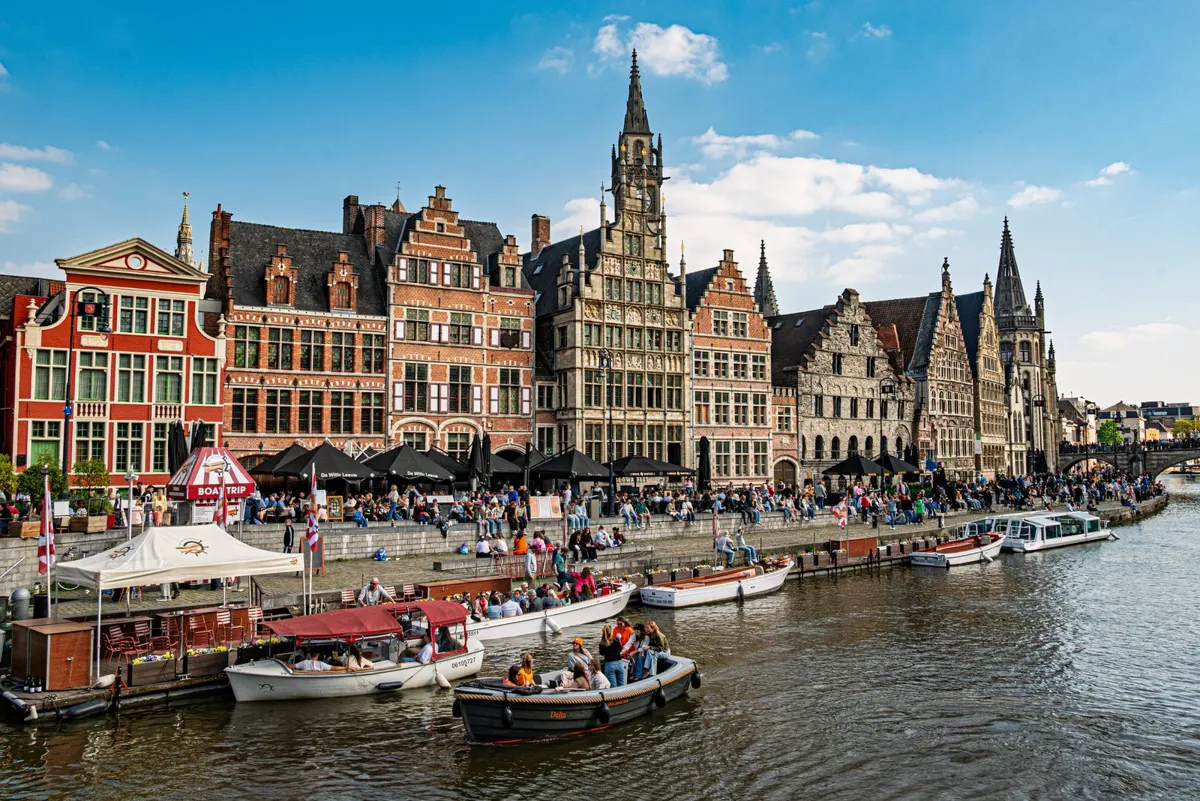 Weekend Routes
An evening return to the waterfront is the organizing idea for this Ghent weekend. Learn a small route in daylight, then see how the same spaces change after dinner.
Read the guide ↗ Weekend Routes
Use an eastern or east-central base to reduce travel, not to declare one half of Berlin the whole city. This weekend combines a history-focused day with a neighborhood day.
Read the guide ↗ Weekend Routes
Saturday follows the warehouse canals into HafenCity; Sunday changes scale at the harbor. The Alster remains an alternative rather than another waterfront added to an already full route.
Read the guide ↗ Weekend Routes
A central Saturday and a park-centered Sunday keep this Munich weekend balanced. One indoor collection provides depth without turning the trip into a sequence of museum queues.
Read the guide ↗ Weekend Routes
Choose one collection for Saturday, then use Sunday for the old town and a green interval. Vienna's abundance is a reason to select carefully, not to double every booking.
Read the guide ↗ Weekend Routes
Use the Vltava as the organizing line for two days in Prague. Cross to the Lesser Town early on the first morning, keep the castle-side streets together, and reserve the eastern side for the following day instead of repeatedly retracing the same bridge.
Read the guide ↗ Weekend Routes
Budapest becomes easier to plan when its two riverbanks are treated as different days rather than alternating stops. Use the first day for the elevated castle quarter in Buda and the second for a smaller section of Pest's broader street network.
Read the guide ↗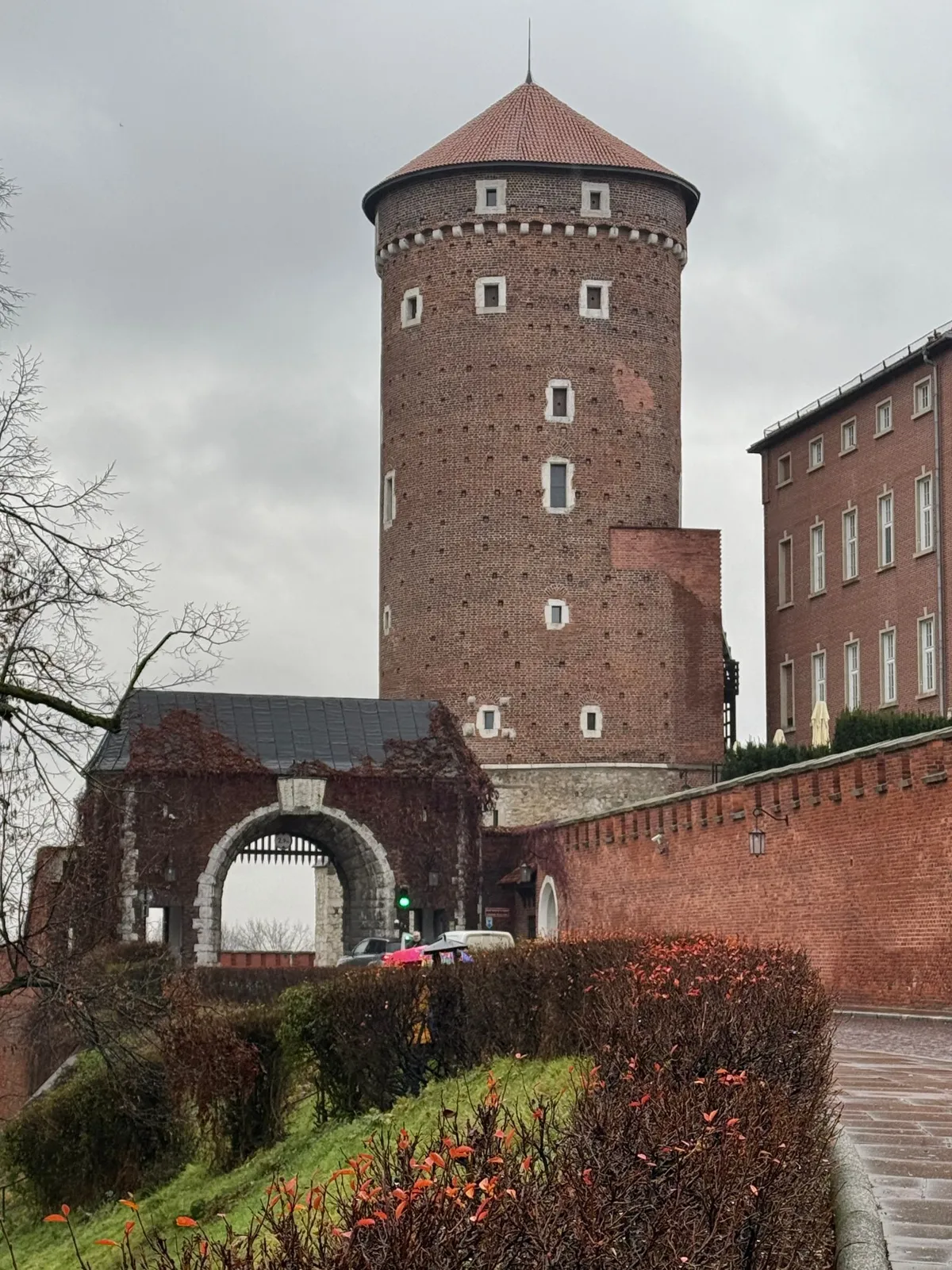 Weekend Routes
Krakow can fill a weekend without leaving the city. Give the Old Town and Wawel one day, then explore Kazimierz at a different pace, with time to understand places rather than using them as background between out-of-town tours.
Read the guide ↗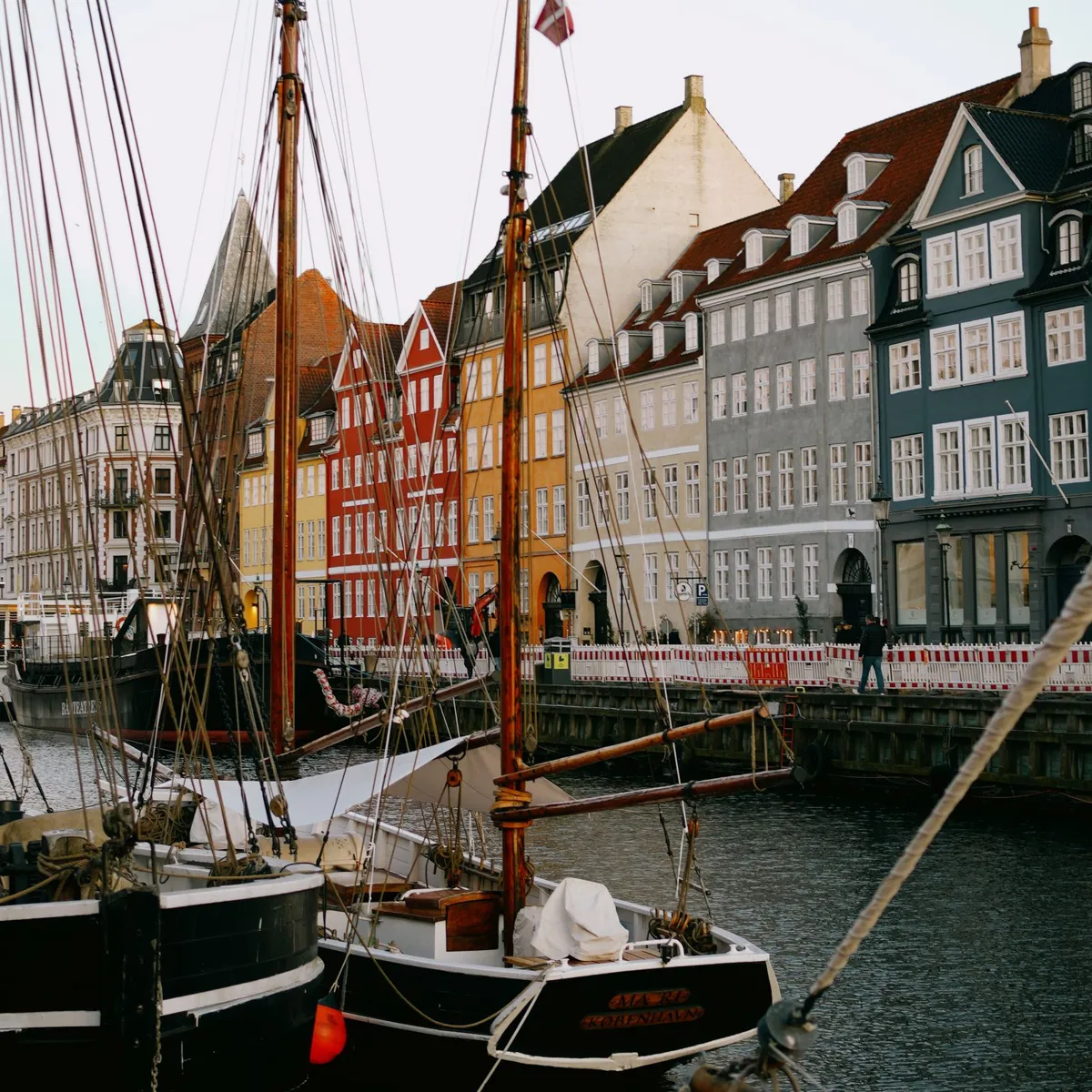 Weekend Routes
Copenhagen's harbor gives a short visit a clear shape, but the waterfront is not one uninterrupted attraction to complete. This weekend connects a central first day with a slower Christianshavn day, leaving room to get indoors when wind or rain changes the mood.
Read the guide ↗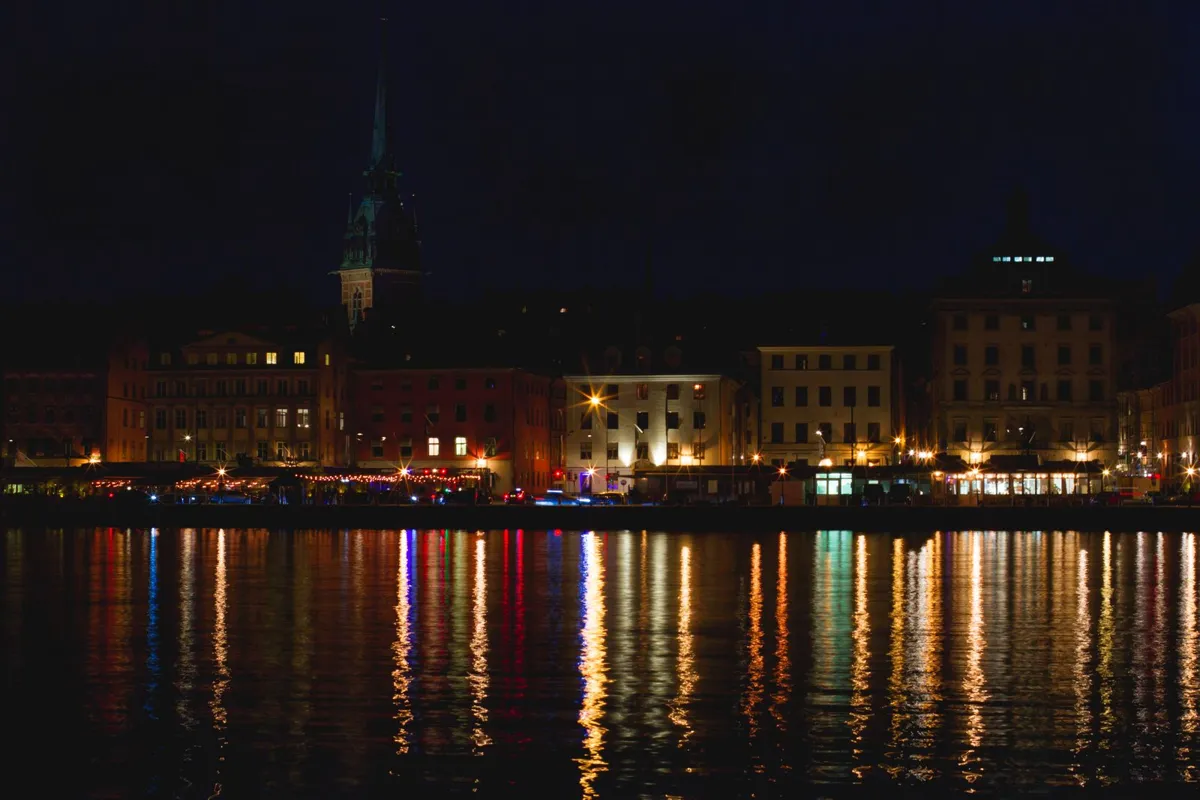 Weekend Routes
Stockholm's water and islands make a map inviting, but every additional crossing changes the pace. Keep one day around Gamla Stan and nearby central streets, then give a single second island or district enough time to feel like a visit rather than a transfer.
Read the guide ↗ Weekend Routes
An Edinburgh weekend works best when the outdoor plan and the rainy-day plan share the same geography. Pair the Old Town with a nearby museum on one day, then contrast it with the New Town instead of making a hill climb the condition for enjoying the visit.
Read the guide ↗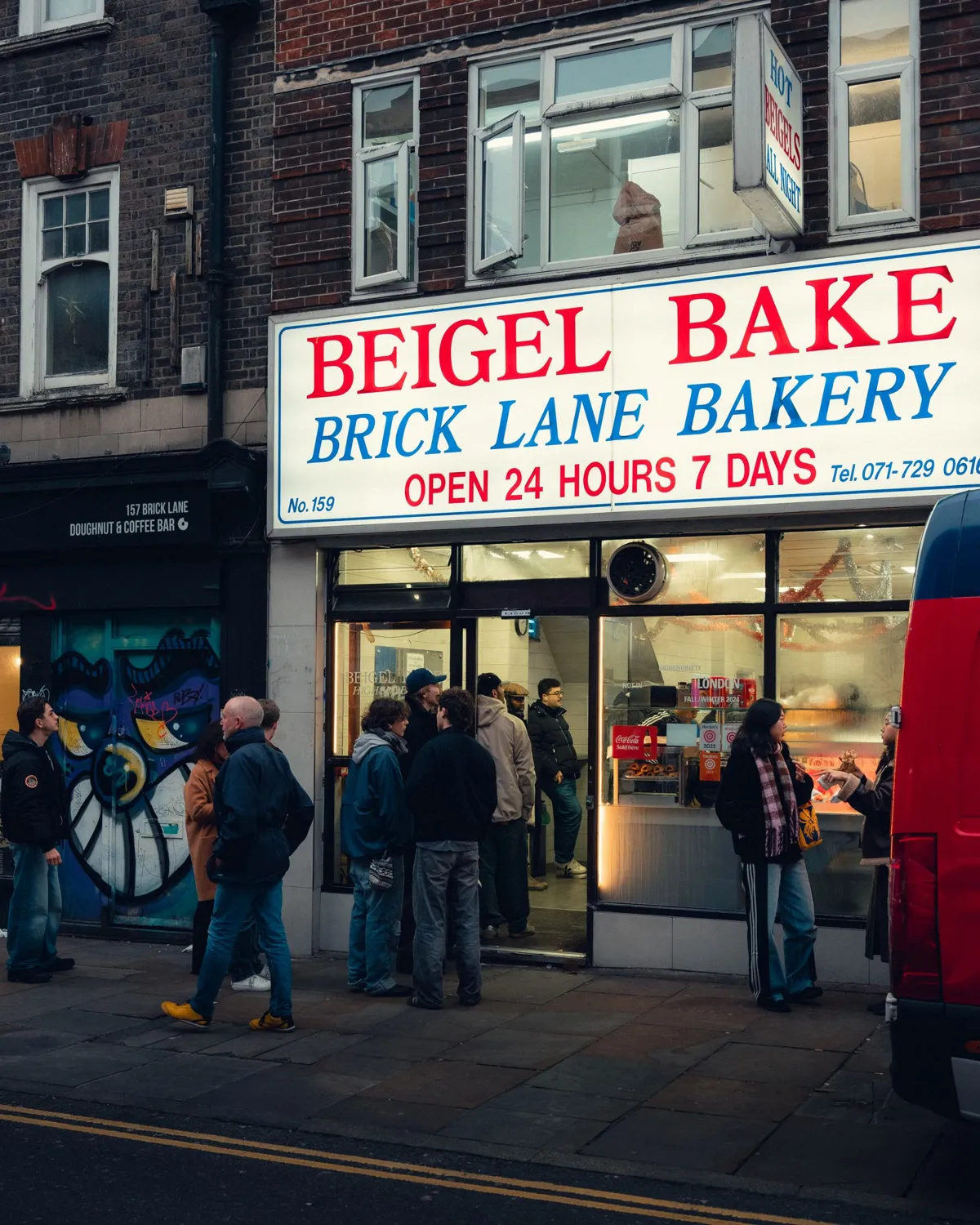 Weekend Routes
East London covers far more ground than a two-day visit can sensibly absorb. Keep this weekend around Spitalfields, Brick Lane and Shoreditch, with a second-day extension chosen for an interest rather than an attempt to cover the whole east of the city.
Read the guide ↗ Weekend Routes
Bath's compact center makes a two-day visit feel manageable, but its hills and busy attractions still reward a little structure. Put one major interior on the first day, then contrast the central streets with a shorter riverside walk and the Georgian upper city.
Read the guide ↗ Weekend Routes
Boston offers several walkable areas, but a weekend does not need to join all of them into one long march. Start with Back Bay and the central parks, then move to the historic center and waterfront on a separate day.
Read the guide ↗ Weekend Routes
Lake Michigan gives Chicago a striking open edge, but an exposed waterfront and a downtown river walk are different experiences. Build the weekend around one lakefront segment each day, with indoor anchors that keep the plan useful when conditions change.
Read the guide ↗ Weekend Routes
A weekend centered on the Plateau-Mont-Royal trades a citywide checklist for streets, parks and neighborhood stops. Keep the first day around the lower Plateau, then choose between a farther neighborhood walk and a deliberate outing onto Mount Royal.
Read the guide ↗ Weekend Routes
Old Quebec is compact on a map but divided by a substantial change in level. A gentler weekend groups Upper Town and Lower Town into separate blocks, with a planned connection between them instead of repeated climbs.
Read the guide ↗ Getting Around
The fastest advertised airport service is not always the quickest way to your room. Compare the whole arrival, including the terminal walk, waiting time, final connection and the distance you will carry your bags.
Read the guide ↗ Getting Around
A late flight is manageable when the airport exit, onward ride and room access have all been considered together. Trouble starts when each booking assumes the next service will still be available.
Read the guide ↗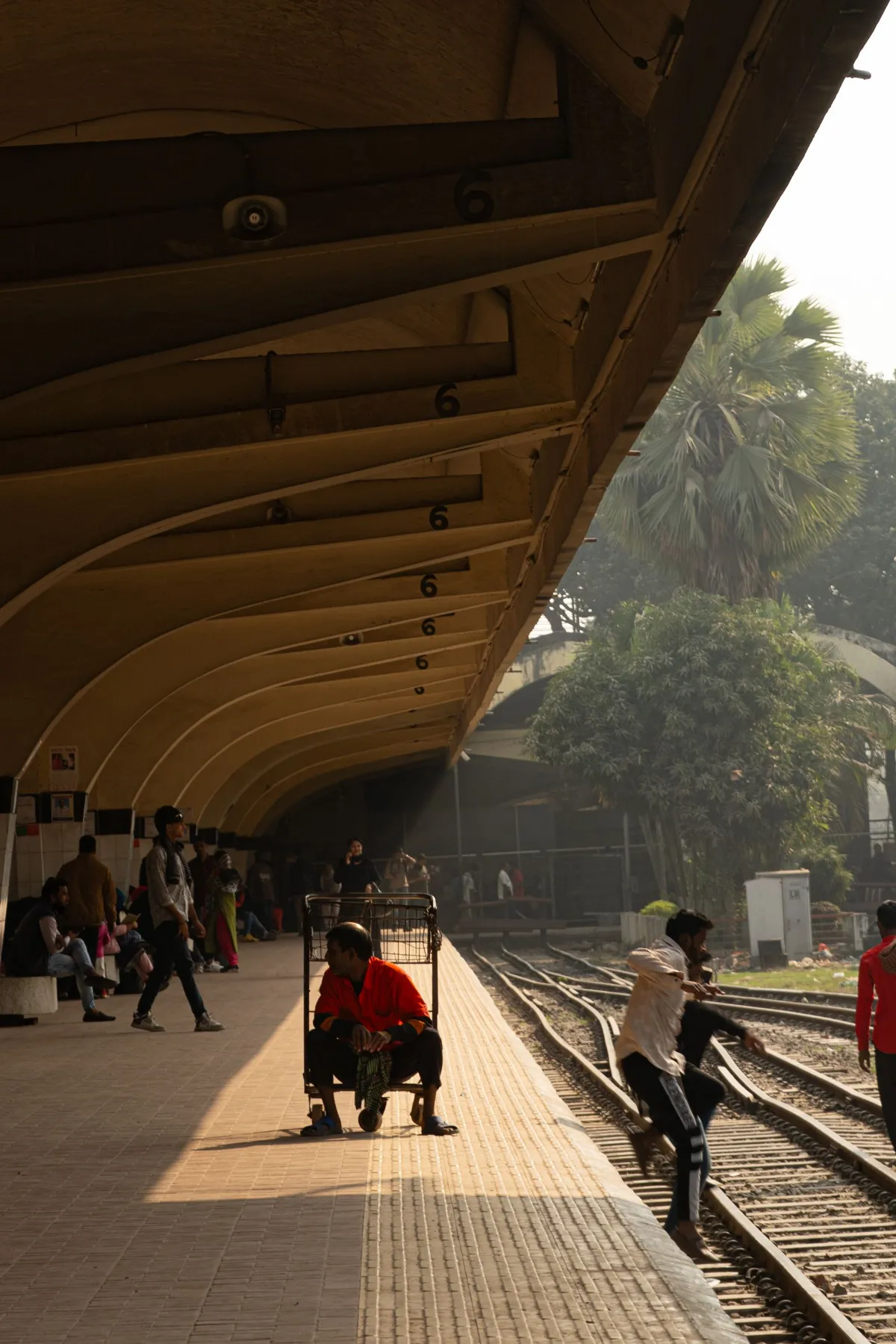 Getting Around
There is no single connection time that works for every railway station and traveler. A sensible buffer reflects the transfer itself, the next available service and what missing it would mean for the rest of your trip.
Read the guide ↗ Getting Around
A station becomes easier to read when you know which details identify your train. The destination on the departure board may be farther down the line than your stop, and the nearest entrance may not be the useful one.
Read the guide ↗ Getting Around
Rail travel is easier when your luggage works as a set you can move, lift and stow yourself. An allowance on a ticket is only one part of the decision; the station stairs and the carriage layout matter too.
Read the guide ↗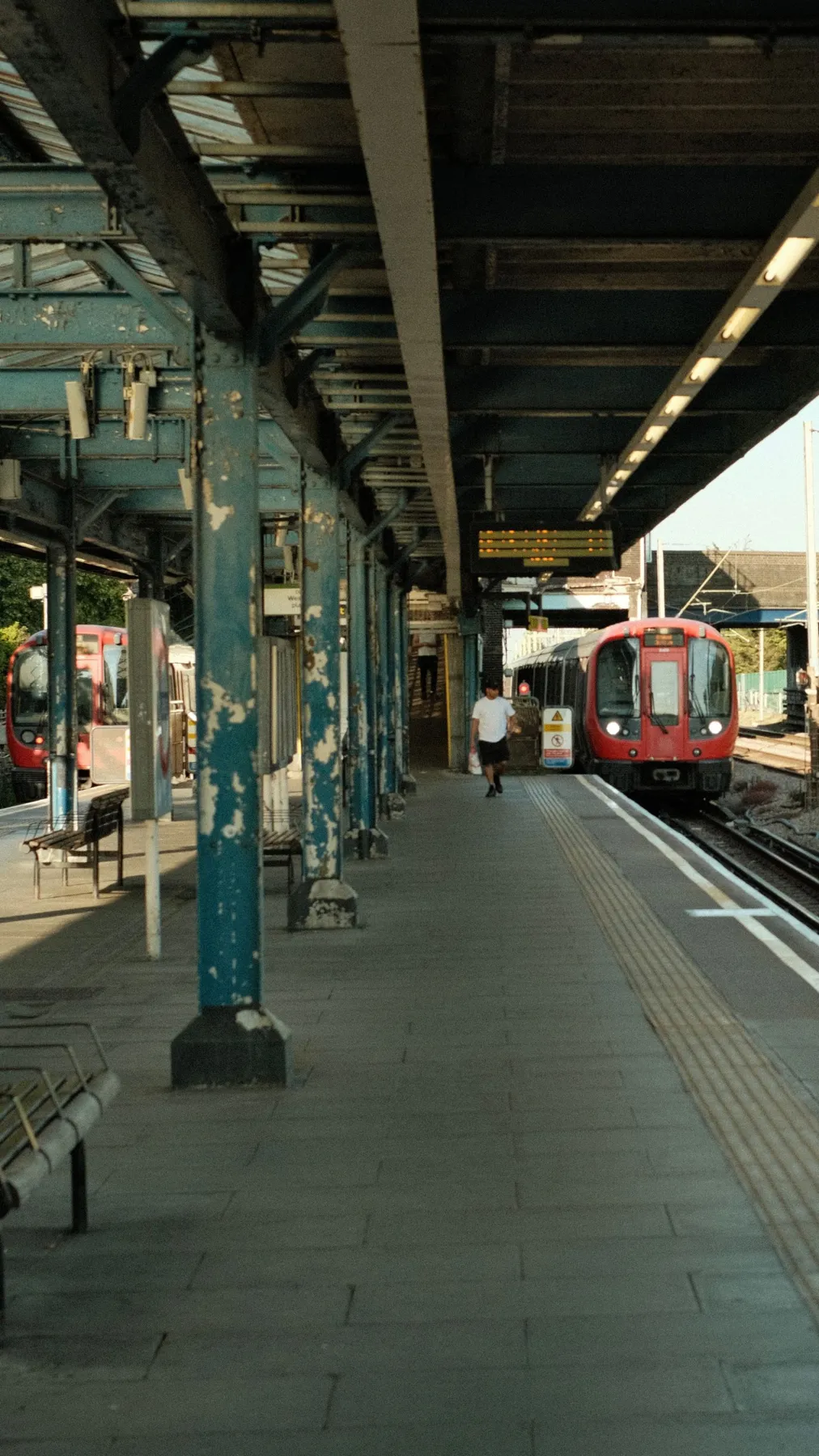 Getting Around
You do not need to memorize a complete network to use it confidently. Learn one useful route, understand how its fare works and make the return journey before adding more complicated connections.
Read the guide ↗ Getting Around
A bank card that pays for coffee does not automatically work on every bus or metro. Where contactless transit is available, tapping, transfers and fare caps still follow the local operator's rules.
Read the guide ↗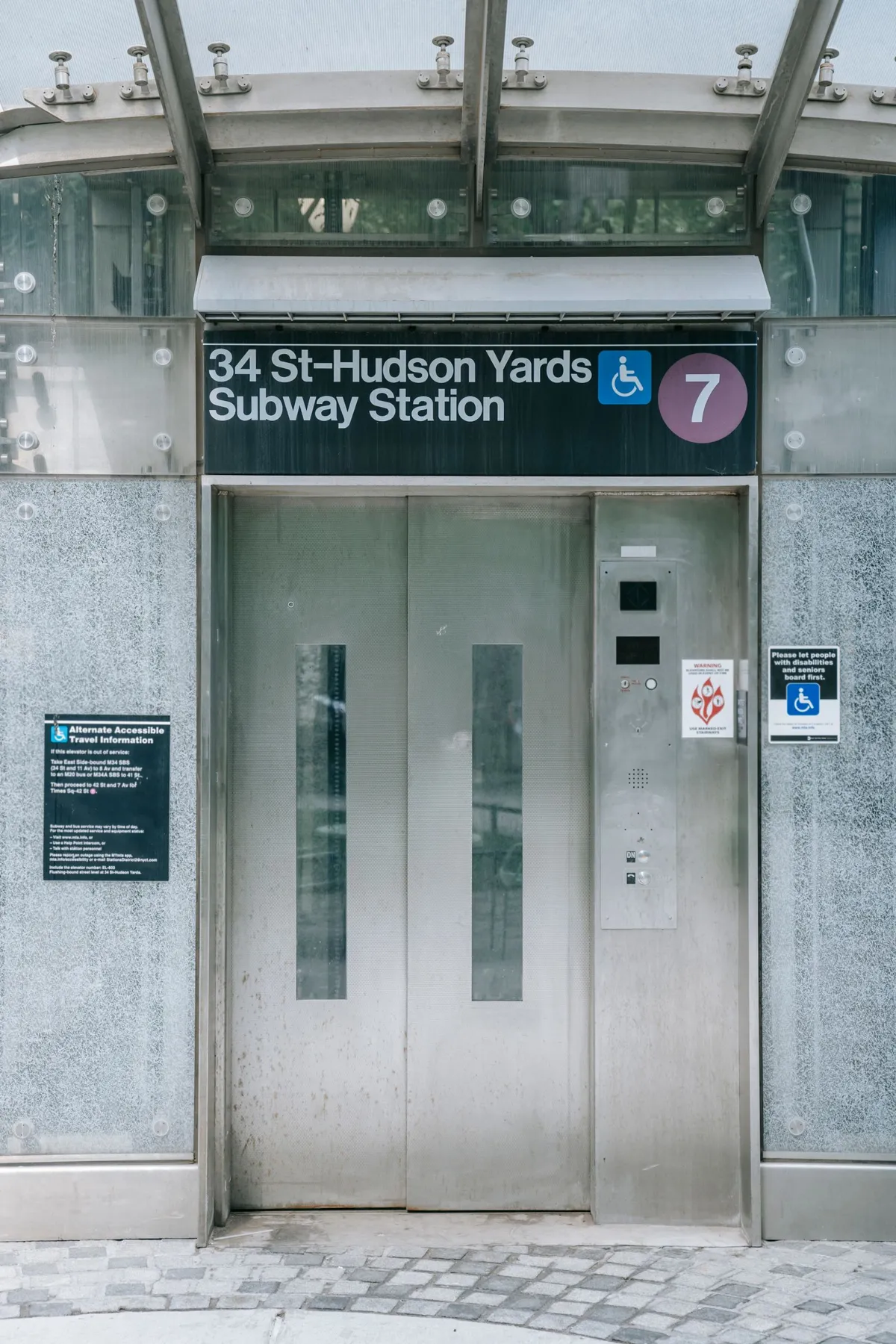 Getting Around
The nearest station may not provide the route you need. Plan access from sidewalk to train, through any interchange and back to street level instead of stopping at an accessibility symbol.
Read the guide ↗ Getting Around
Walking helps you understand a neighborhood, but it does not have to be how you cross an entire city. Use transit to connect the places where you want to spend time on foot.
Read the guide ↗ Getting Around
The last train is a fragile plan when dinner runs late or a performance ends slowly. A useful backup is a checked route with a clear moment at which you switch to it.
Read the guide ↗ Getting Around
An airport can carry a city's name while being a substantial journey from your hotel. Compare the airport code and onward route before treating two flights as arrivals at the same place.
Read the guide ↗ Getting Around
A regional train can turn a nearby town into an easy day out, provided the station, ticket and return service fit the visit. Start with the destination's last mile rather than the train's shortest running time.
Read the guide ↗ Getting Around
A bus terminal and railway station with the same city name may be separated by several streets or an entire urban district. Treat the connection as its own journey, not a platform change.
Read the guide ↗ Getting Around
A ferry can connect two waterfront neighborhoods while giving the day a different perspective. It works best when the landing locations and service pattern fit your route, rather than becoming a detour for its own sake.
Read the guide ↗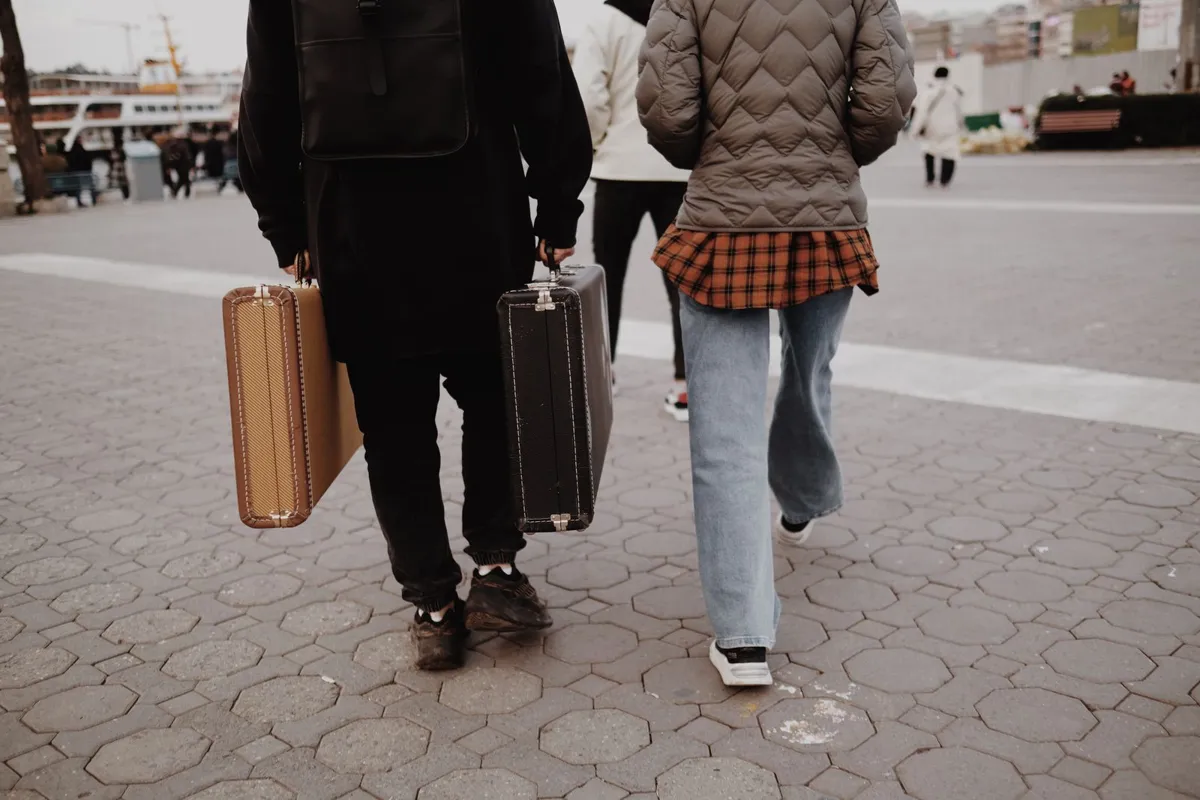 Getting Around
A car-free visit begins with accommodation and itinerary choices, not with refusing every taxi. Choose a base that makes ordinary days easy, then solve the few journeys that fall outside that pattern.
Read the guide ↗ Getting Around
If a road trip includes a city stay, the car does not need to accompany every sightseeing day. A suitable outer parking arrangement can simplify the visit, but only when its access rules and onward transport are understood.
Read the guide ↗ Getting Around
When a city has several railway stations, the most famous name is not automatically the best arrival point. Choose from the stops your actual train serves, then compare the onward journey to your base.
Read the guide ↗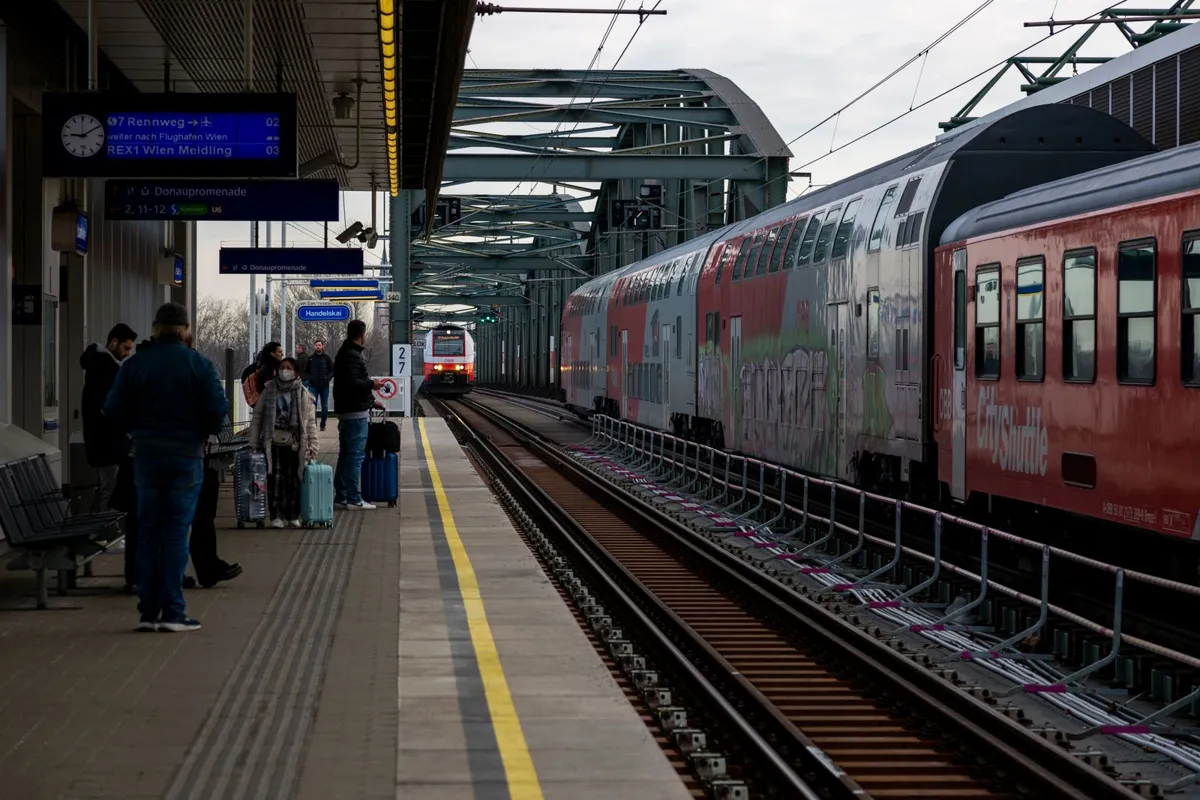 Getting Around
Two inexpensive tickets can form a workable itinerary, but they may not form one protected journey. Understand the arrangement before comparing its price with a through-booking.
Read the guide ↗ Getting Around
An overnight train can replace a daytime journey, but it should not be evaluated as a hotel room on rails. The accommodation category, departure hour and morning arrangements determine whether it fits your trip.
Read the guide ↗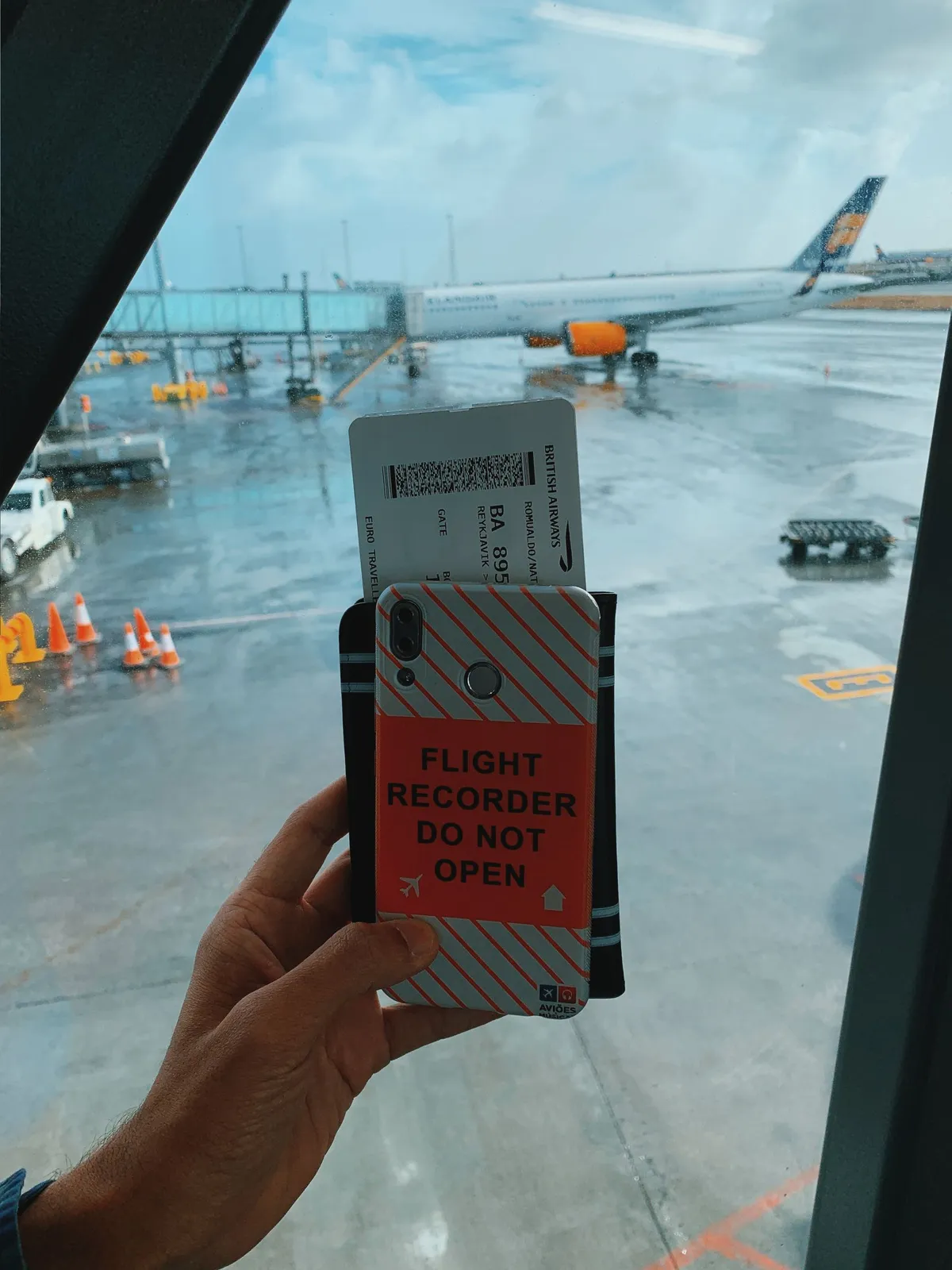 Getting Around
A confirmation email, a ticket and a boarding pass are not always interchangeable. Prepare the document that the operator actually accepts, then keep enough information to recover it if your phone stops cooperating.
Read the guide ↗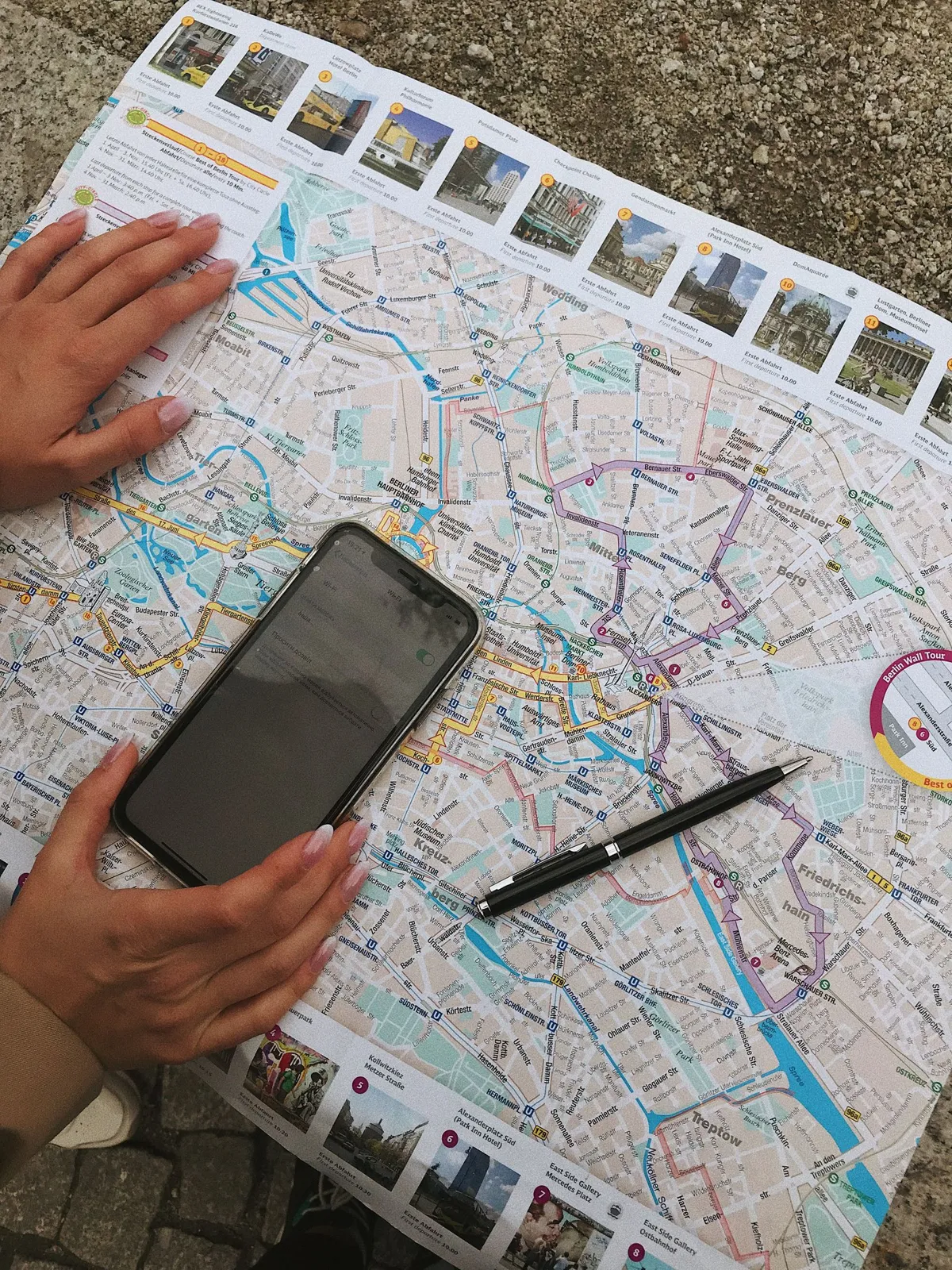 Getting Around
An offline arrival plan should still work when the airport Wi-Fi disconnects or mobile data has not started. Save the few details needed to reach your room rather than relying on an entire trip living online.
Read the guide ↗ Getting Around
An early flight is easier when the decisions are made the evening before. Work backward from the airline's requirements and the correct terminal, then build a transport plan that operates at that hour.
Read the guide ↗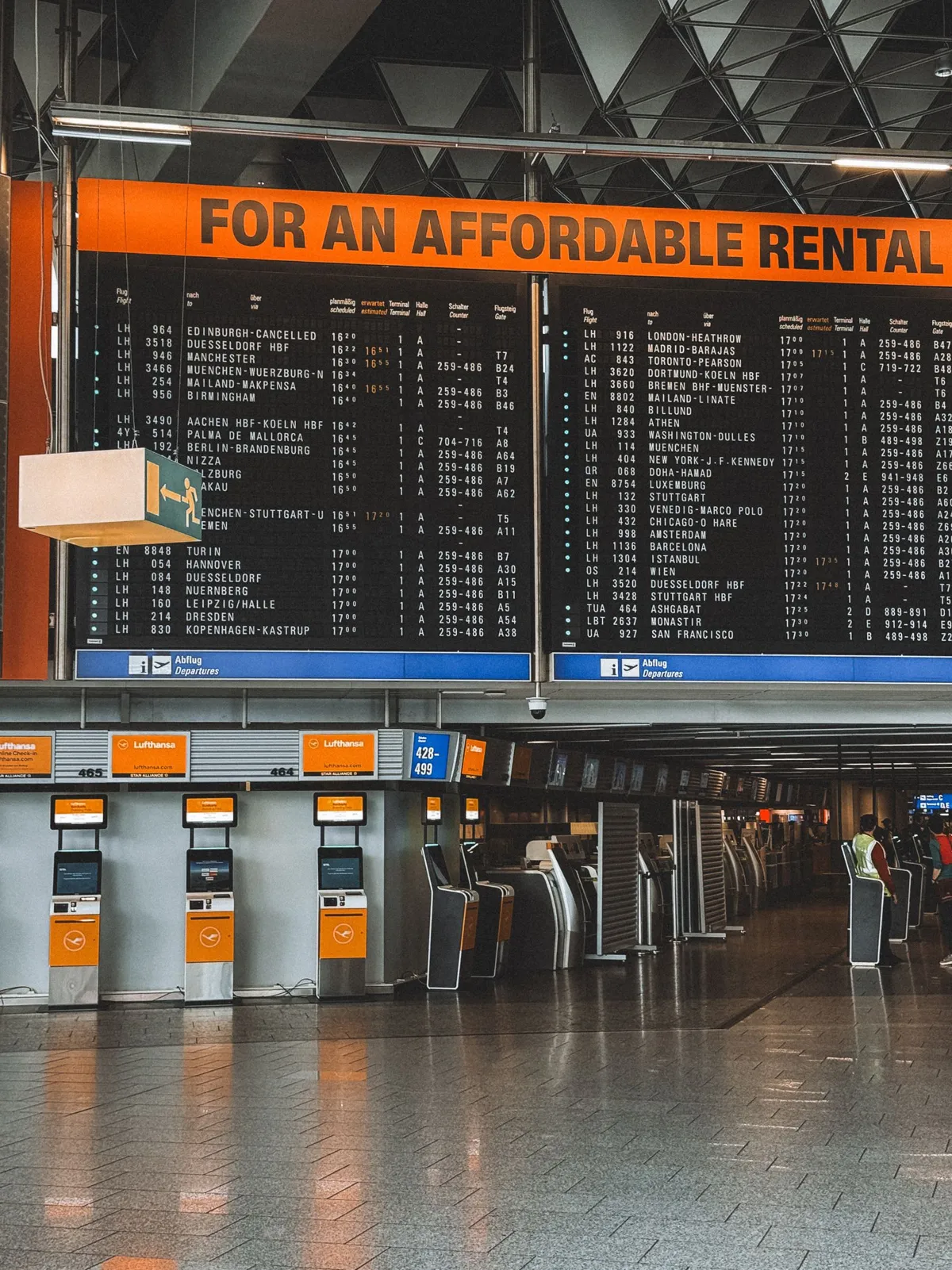 Getting Around
A missed connection creates several problems at once: where you are going next, what happens to your ticket and who needs to know. Deal with those questions in a clear order before buying a new itinerary.
Read the guide ↗ Where to Stay
In Lisbon, the difference between two nearby hotels can be a steep climb, several stairways or a much simpler trip home. Choose the street and arrival route before falling in love with a neighborhood name.
Read the guide ↗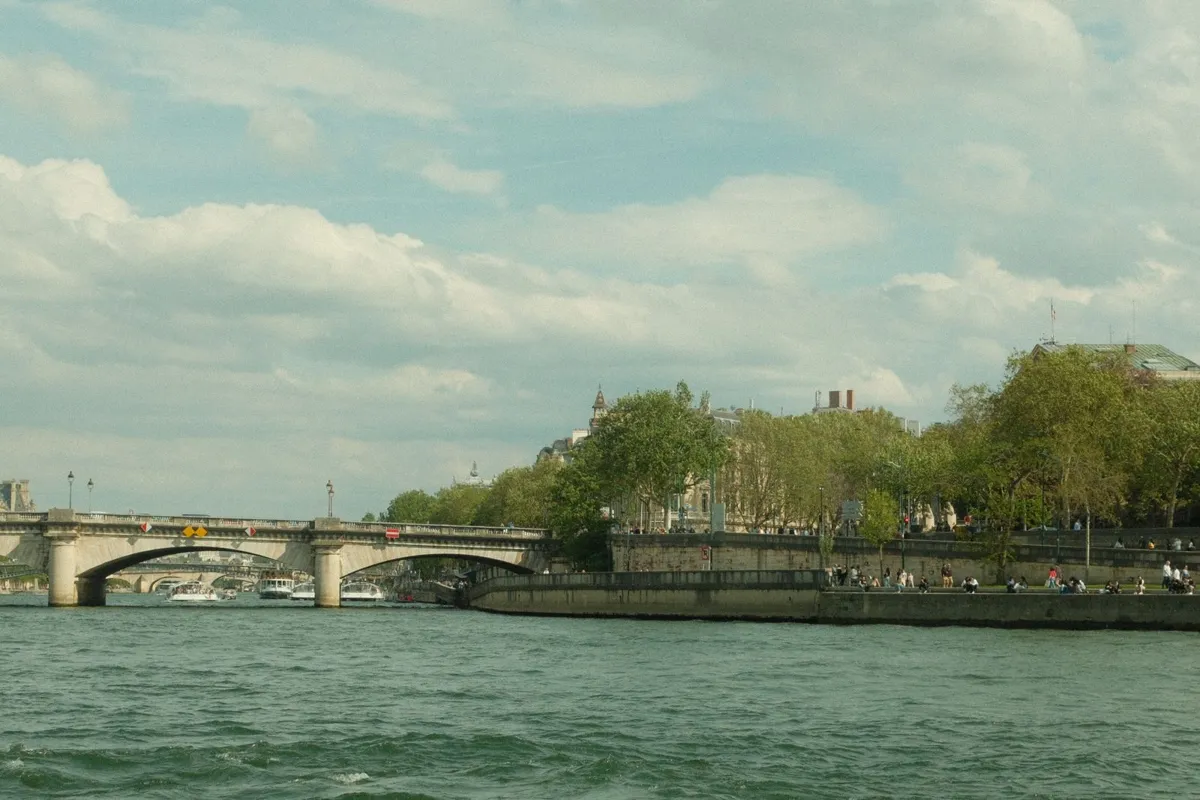 Where to Stay
Paris has many appealing neighborhoods, but a short stay works better when the room connects naturally with your plans. Pick a side of the city and a useful station before comparing décor and breakfast photographs.
Read the guide ↗ Where to Stay
Rome rewards walking, but its attractions are spread across several districts and both banks of the Tiber. Choose a base around the days you want to have, not the assumption that one address puts everything nearby.
Read the guide ↗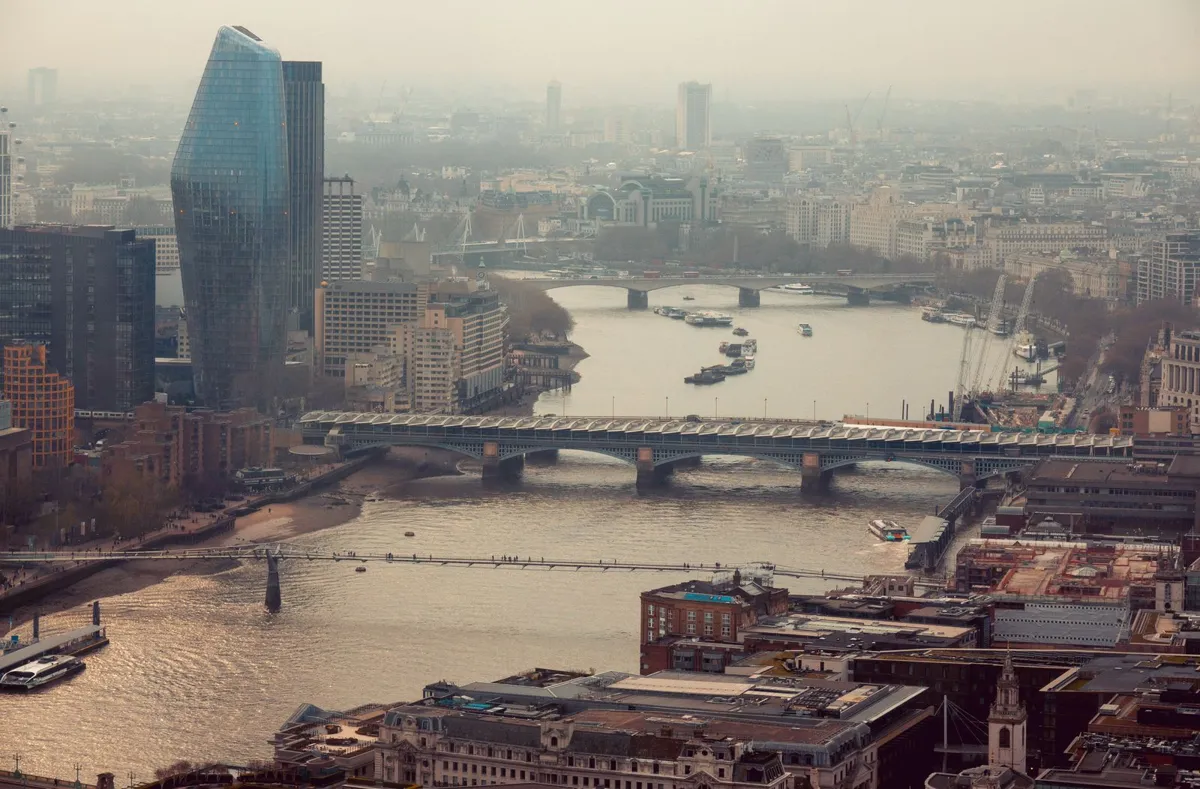 Where to Stay
London is too spread out for any hotel to be near everything. A short visit benefits from a base with useful direct routes and a neighborhood you are happy to return to, rather than a vague promise of centrality.
Read the guide ↗ Where to Stay
Barcelona's old-city lanes and Eixample grid create different kinds of stay. Decide whether you value being inside the historic street pattern or prefer a wider-street base that connects several parts of the city.
Read the guide ↗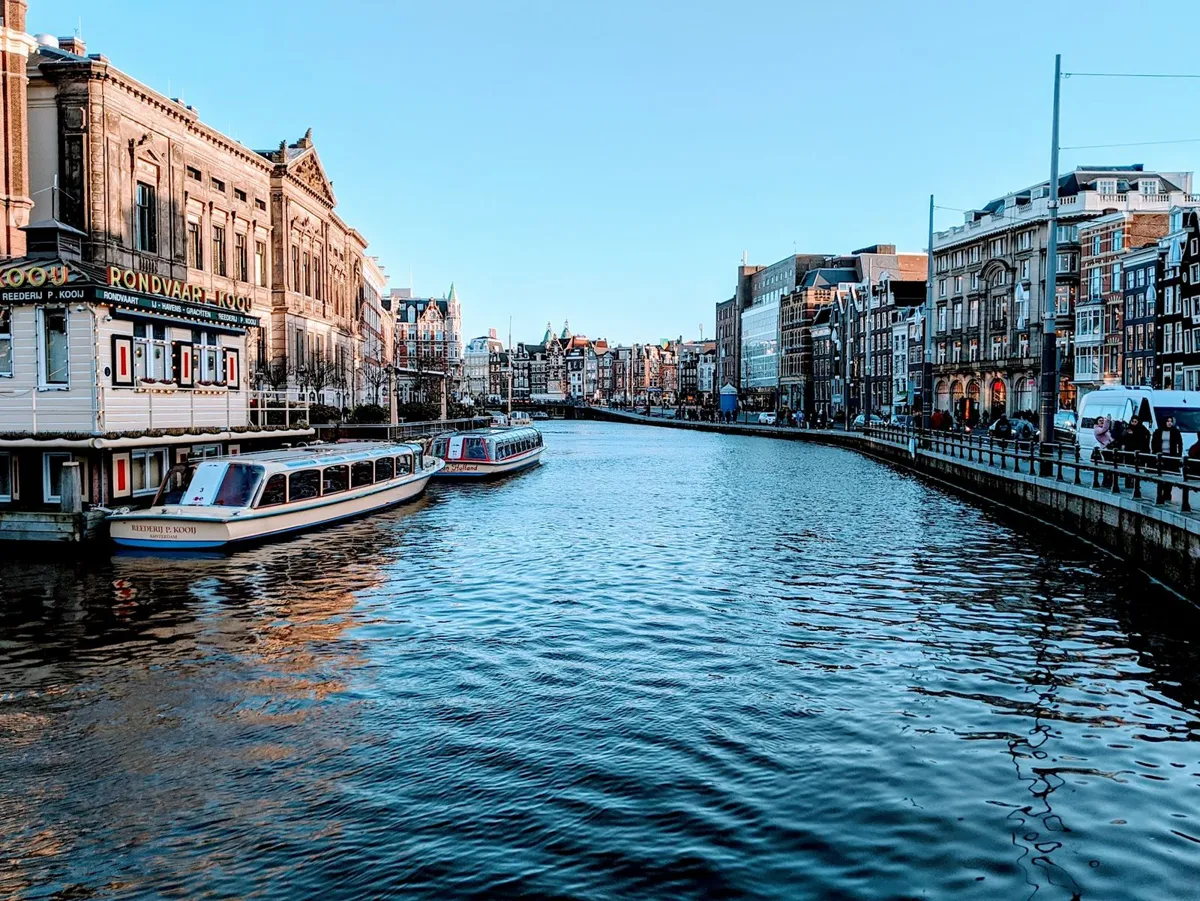 Where to Stay
Amsterdam's compact appearance can hide meaningful differences between a canal-side room, a southern neighborhood base and an address across the IJ. Choose the connections and street setting that support your own days.
Read the guide ↗ Where to Stay
Berlin works as several connected districts rather than one small center. A good hotel location sits on useful routes and near the evenings you want, not necessarily beside the midpoint of a tourist map.
Read the guide ↗ Where to Stay
In Tokyo, being near a station is only helpful when it is the right station and the right exit. Choose a base by the routes you will repeat, then investigate the final walk through the station and neighborhood.
Read the guide ↗ Where to Stay
A New York hotel should be judged by its subway routes and exact block, not just its borough or distance from Times Square. Direct access to your daily destinations can matter more than a central-looking map pin.
Read the guide ↗ Where to Stay
Downtown, Old Montreal and the Plateau give a Montreal visit different rhythms. Choose the neighborhood you want to use most often, then check the metro walk and the building's arrival arrangements.
Read the guide ↗ Where to Stay
A hotel gallery often mixes several room categories. Before paying, identify what belongs to the room you are reserving and which attractive features are merely requests or photographs of a more expensive option.
Read the guide ↗ Where to Stay
A map pin confirms an address, not the quality of the walk to it. Examine the surrounding streets, station exits and arrival instructions before deciding that a hotel is conveniently located.
Read the guide ↗ Where to Stay
An apartment can provide space and a kitchen, while a hotel can simplify arrival and departure. For a short visit, compare how you will use the accommodation rather than assuming one format is always cheaper or more comfortable.
Read the guide ↗ Where to Stay
A room can be available for the night without being accessible whenever you reach the building. Confirm the actual late-arrival procedure before choosing a property with limited reception or self-check-in.
Read the guide ↗ Where to Stay
Quiet is not a room feature that a neighborhood name can guarantee. Describe the noise you want to avoid and ask about the specific room category, while recognizing that a request may not be a confirmed allocation.
Read the guide ↗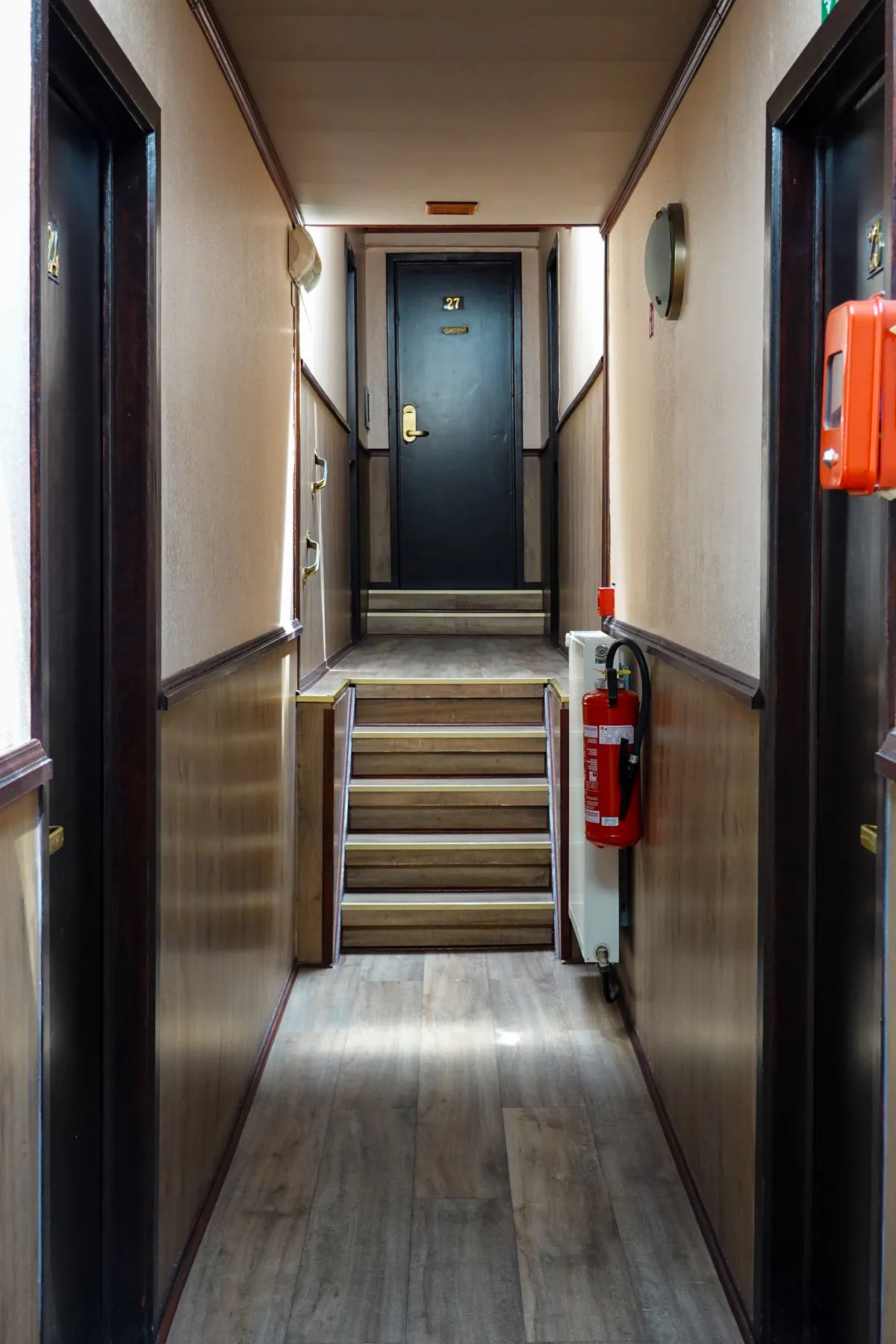 Where to Stay
An elevator icon tells you surprisingly little about the route to a room. In an older building, there may still be entrance steps, split levels or a final staircase after the lift.
Read the guide ↗ Where to Stay
Adding a second hotel can shorten daily journeys, but it also creates a moving day. Compare the travel you remove with the packing, storage and check-in work you add before splitting a week between two bases.
Read the guide ↗ Where to Stay
The last day often has useful sightseeing time but nowhere obvious to put a suitcase. Solve storage and the route to departure first, then choose an activity that fits around them.
Read the guide ↗ Travel Budgets
A hotel price is easier to judge when you know what remains for the rest of the visit. Build the trip total first, separating fixed bookings from daily spending and money kept for changes.
Read the guide ↗ Travel Budgets
The lower nightly rate can lose its advantage once breakfast, transport and booking conditions are included. Compare two complete stays with the same dates and guests, then decide what the remaining price difference buys.
Read the guide ↗ Travel Budgets
A lower airfare can be offset by a longer or less convenient airport transfer. Compare the cost of reaching the accommodation in both directions before treating two flight results as equivalent.
Read the guide ↗ Travel Budgets
A city pass is useful when it covers the visits you want and the schedule allows you to enjoy them. The number of attractions advertised is less important than the small set you will realistically enter.
Read the guide ↗ Travel Budgets
A low-admission day does not need to be a gap between the interesting parts of a trip. Give it a geographic shape, a few purposeful stops and a weather alternative, just as you would a day of ticketed visits.
Read the guide ↗ Travel Budgets
A memorable restaurant meal is easier to enjoy when it has a place in the budget. Keep the other meals comfortable and realistic rather than making every day equally expensive or unnecessarily restrictive.
Read the guide ↗ Travel Budgets
Traveling outside the busiest period can change prices and crowds, but it also changes daylight, weather and the range of services available. Compare the trip you can actually have, not just a lower room rate.
Read the guide ↗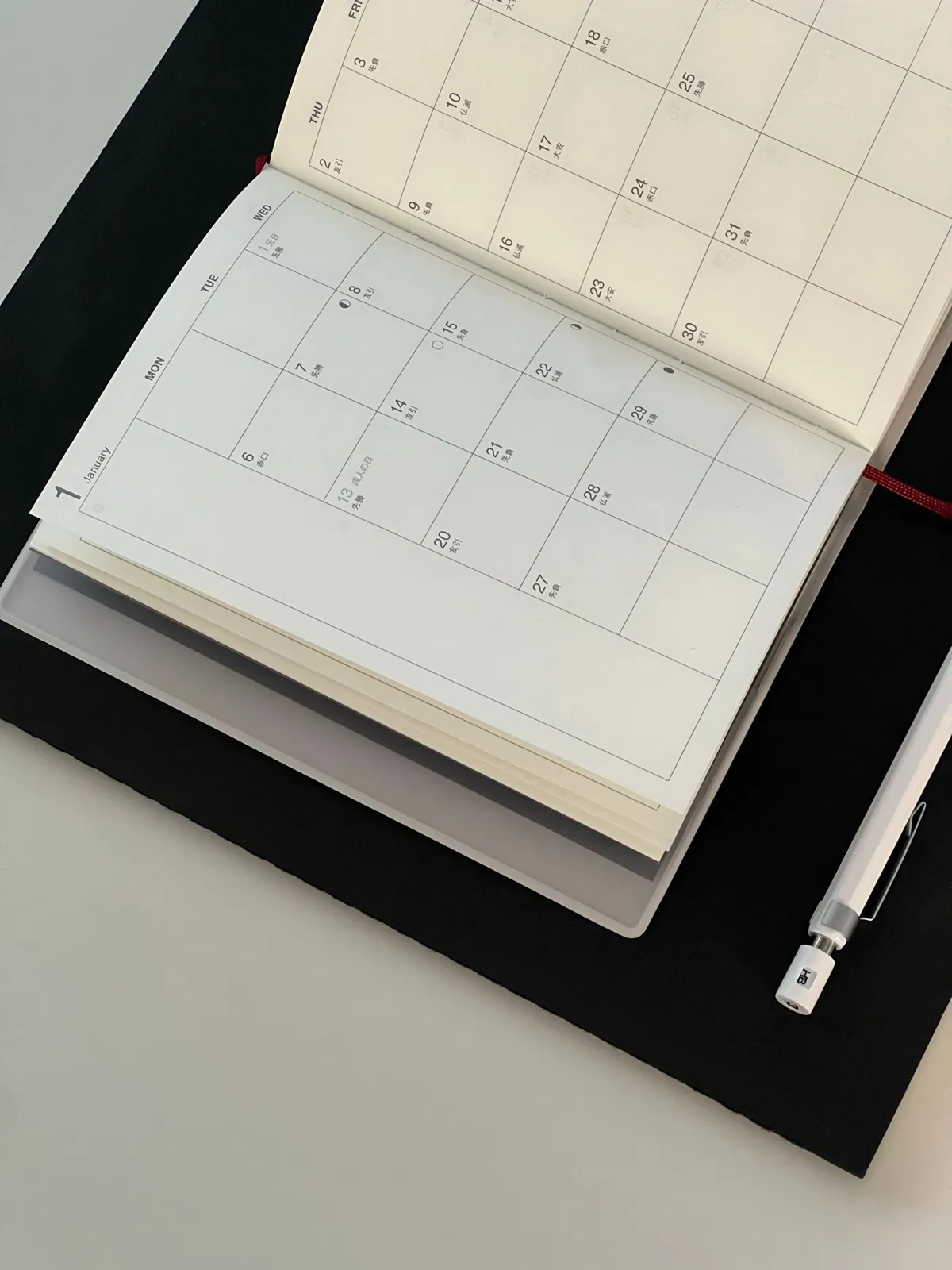 Travel Budgets
Midweek is not automatically cheaper, and a low Sunday rate does not tell you the cost of the whole visit. Compare complete date combinations that give you similar usable time at the destination.
Read the guide ↗ Travel Budgets
An airfare comparison is incomplete until the bags you will actually take are included. Price the same luggage plan on each itinerary rather than comparing a bare fare with a bundle that contains different allowances.
Read the guide ↗ Travel Budgets
The return train fare is only part of an excursion's cost. Add the local connection, admission, food and any booking constraints before deciding whether a day outside the city belongs in the itinerary.
Read the guide ↗ Travel Budgets
A travel buffer is money left unassigned for changes you cannot fully predict. It is different from a shopping allowance and more useful when you connect it to the trip's likely pressure points.
Read the guide ↗ Travel Budgets
The least expensive room advertised for four people may not be the most workable choice for four travelers. Compare sleeping arrangements, privacy and the full occupancy price before deciding between one larger room and two smaller ones.
Read the guide ↗ Travel Budgets
Groceries can make meals more flexible, but only when you have a place to store, prepare and eat what you buy. A small, well-timed purchase often works better than filling a bag with food for several uncertain days.
Read the guide ↗ Travel Budgets
A paid observation deck and a public hillside can show very different versions of a city. Decide what you want from the view before comparing admission prices.
Read the guide ↗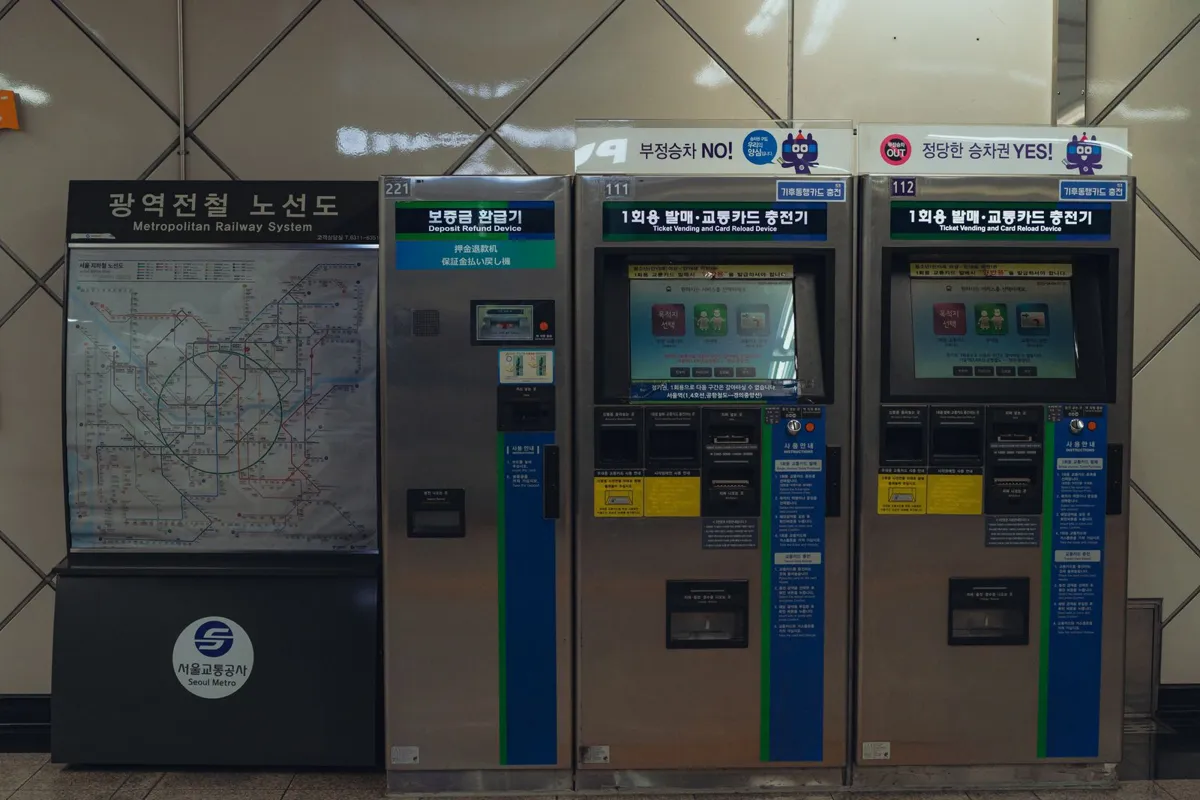 Travel Budgets
An unlimited pass can simplify a visit, but it is not automatically the lowest-cost choice. Compare its coverage and validity with the journeys you will really take, including the airport only if that service is actually included.
Read the guide ↗ Travel Budgets
A short trip rarely needs the most expensive version of everything. Choose the few purchases that change the experience meaningfully, then keep the rest simple enough to leave room for them.
Read the guide ↗ Travel Budgets
A second city can enrich a trip, but the train or flight between the two places is not its full cost. Compare the complete move with the days you would otherwise spend at the first base.
Read the guide ↗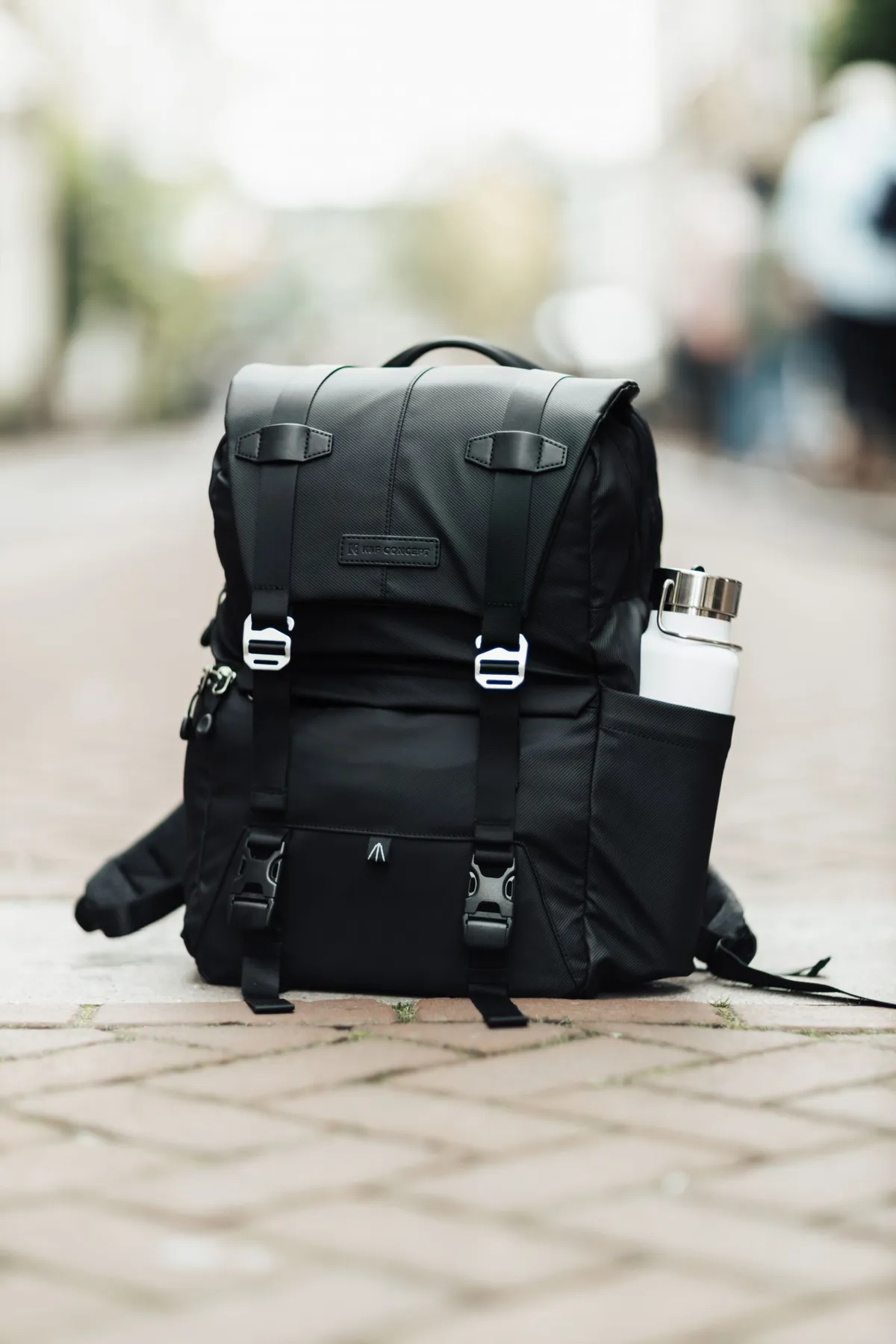 Packing & Gear
A weekend backpack has two jobs: carrying your belongings between transport and accommodation, then staying out of the way. The right choice starts with your actual load and the time you will spend wearing it, not the largest capacity an airline might permit.
Read the guide ↗ Packing & Gear
The phrase carry-on describes a marketing category, not a promise that a suitcase fits every flight. Before buying, compare the complete, packed case with the allowances attached to your actual tickets.
Read the guide ↗ Packing & Gear
A personal item should keep the things you need during the journey reachable without becoming a second suitcase. Its usefulness depends on the packed shape, the opening and how it works alongside your main bag.
Read the guide ↗ Packing & Gear
Packing cubes are organizers, not a requirement for traveling light. They earn their place when they make a particular bag easier to use; they become unnecessary bulk when they duplicate compartments you already have.
Read the guide ↗ Packing & Gear
The best daypack for a city is not automatically a miniature hiking pack. It needs to carry a changing daily load comfortably, fit through busy spaces and let you find a ticket without emptying the bag.
Read the guide ↗ Packing & Gear
A crossbody bag works well for a small collection of daily items, particularly when you want access without taking a backpack off. Its limits become apparent when a phone-and-wallet bag turns into a bottle-and-camera carrier.
Read the guide ↗ Packing & Gear
A city rain layer has to work between cafés, transit and exposed streets, not just during a continuous outdoor hike. Choose around the likely weather and your walking pace, while leaving room for the clothes underneath.
Read the guide ↗ Packing & Gear
A city break is a poor time to discover that a shoe only feels good for fifteen minutes. Start with footwear you have already worn on comparable walks, then check its condition and how it fits the rest of your itinerary.
Read the guide ↗ Packing & Gear
Three days away rarely require three completely separate wardrobes. A compact clothing plan starts with the activities on the itinerary and uses combinations you already wear comfortably at home.
Read the guide ↗ Packing & Gear
Variable weather does not necessarily demand a heavy suitcase. A few compatible layers let you respond to a cool morning, a warm carriage and an evening breeze without carrying a separate outfit for each.
Read the guide ↗ Packing & Gear
A toiletry bag is most useful when it contains a problem rather than simply grouping bottles. Build a small, tested kit that can be opened without spreading a leaking product across the rest of your luggage.
Read the guide ↗ Packing & Gear
Liquid screening rules are not identical at every airport. Check the authority responsible for each departure or transfer where you may be screened, and pack for the complete journey rather than only the first flight.
Read the guide ↗ Packing & Gear
A plug adapter changes the shape of the connection. It does not automatically change the electricity supplied to your device. Check the device label and the destination's supply before putting an adapter in your bag.
Read the guide ↗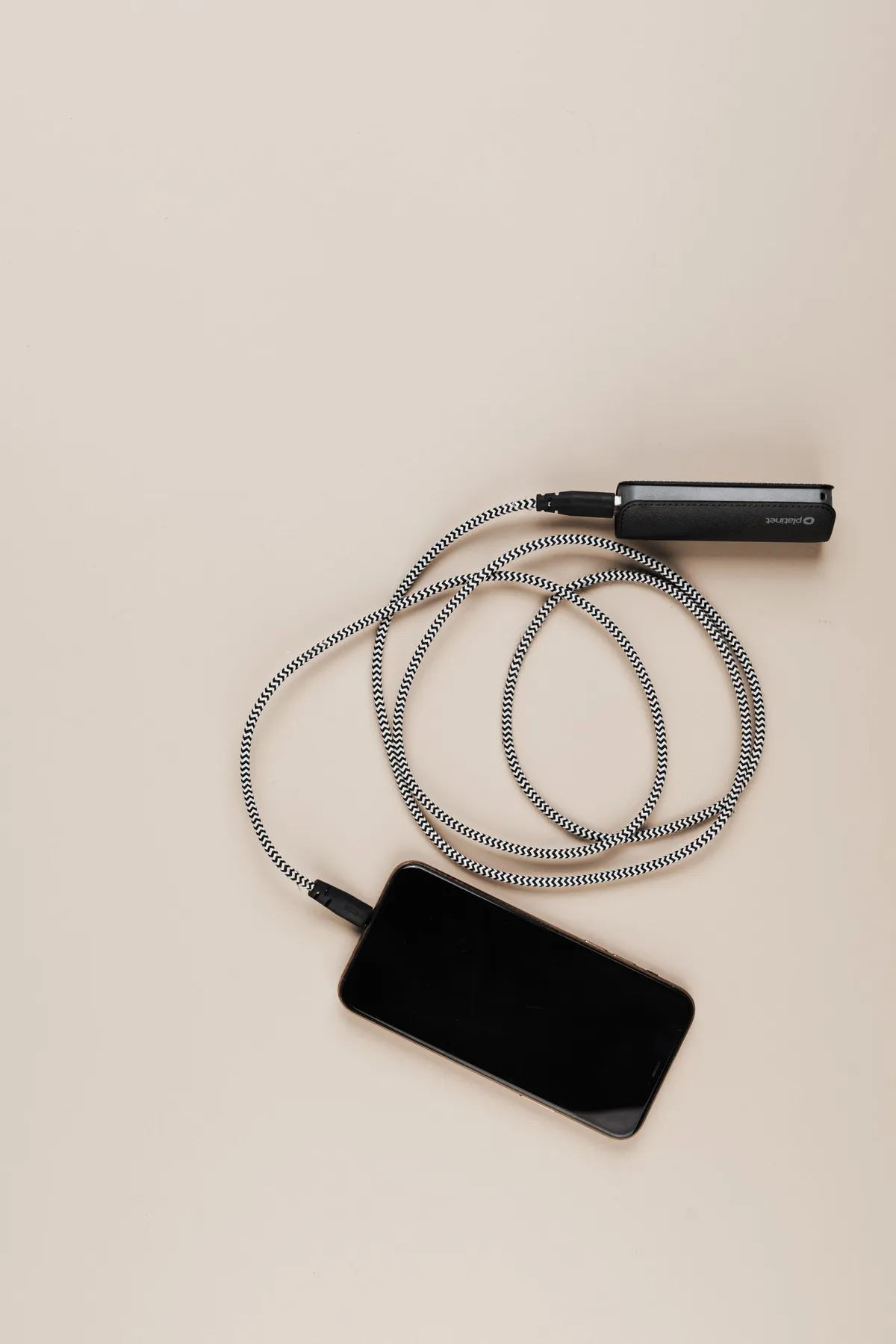 Packing & Gear
A portable battery can keep a phone available for maps and tickets, but it needs a separate packing check before a flight. Capacity, condition, stowage and airline rules all matter; a familiar brand name is not enough.
Read the guide ↗ Packing & Gear
A charging kit becomes smaller when you map the devices first. The aim is to carry the connections you need, not a collection of almost-right cables accumulated from previous trips.
Read the guide ↗ Packing & Gear
The useful question is not which device can produce the best photograph in theory. It is which one you will carry, understand and enjoy using during the particular trip you have planned.
Read the guide ↗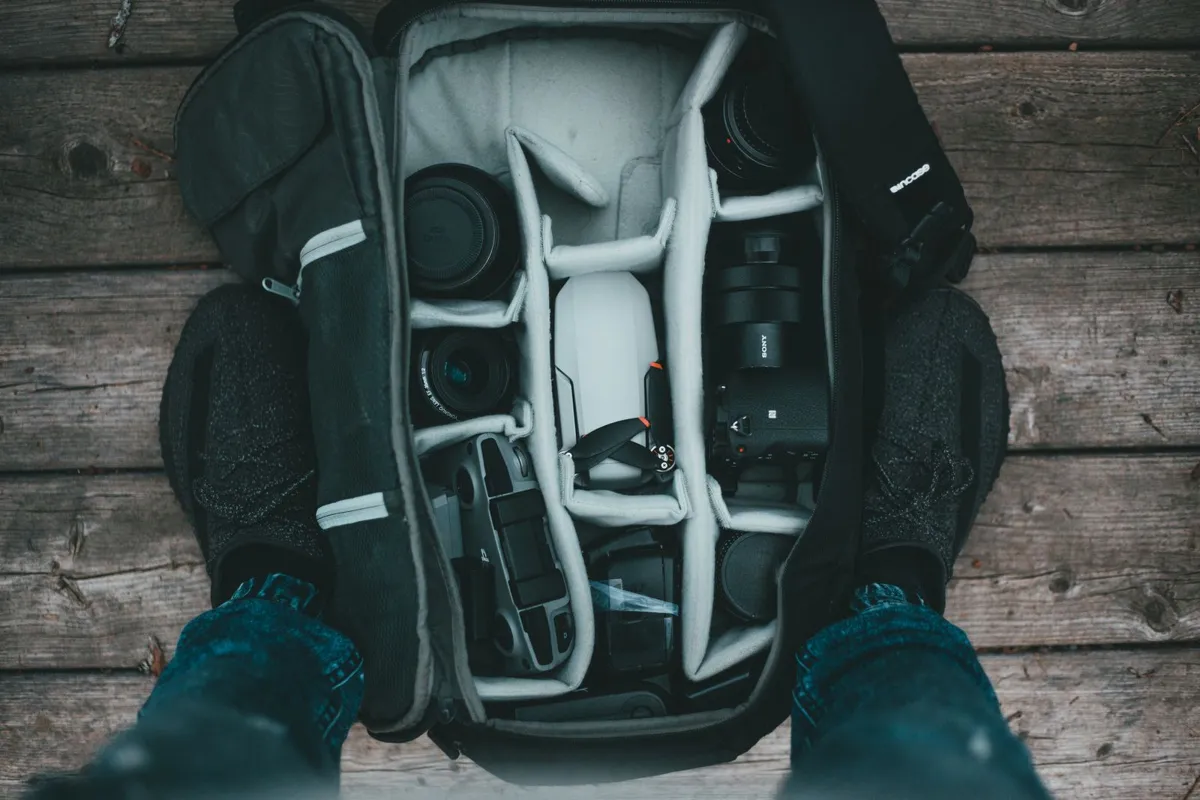 Packing & Gear
A camera bag should protect the equipment you actually take while leaving you comfortable enough to use it. Start with the camera and lens combination for the trip, not the collection stored at home.
Read the guide ↗ Packing & Gear
A forecast of scattered rain calls for a way to put the camera away quickly, not an assumption that a weather-resistant label makes it waterproof. Protection should match the specific body, lens and carrying setup.
Read the guide ↗ Packing & Gear
A reusable bottle is useful only if it fits the day bag and is comfortable to carry when full. Choose around your walking routine and refill opportunities, not simply the largest capacity on the shelf.
Read the guide ↗ Packing & Gear
A folded tote can handle a small grocery run or an extra layer without becoming a permanent second bag. Its value lies in occasional flexibility, not in providing an excuse to exceed your transport baggage allowance.
Read the guide ↗ Packing & Gear
Laundry can reduce the amount of clothing needed on a longer journey, but only when there is time and space to dry it. Plan the washing opportunity before filling a pouch with equipment.
Read the guide ↗ Packing & Gear
An organizer can make documents easier to find, but putting every original, backup and access method in one pouch creates a fragile system. Aim for orderly access with sensible separation rather than one oversized travel wallet.
Read the guide ↗ Packing & Gear
Smooth airport floors are an easy test for a suitcase. The more revealing question is how you will move it across the last stretch between a station and your accommodation, including curbs, paving gaps and stairs.
Read the guide ↗ Packing & Gear
A multi-stop itinerary makes luggage a repeated daily decision. Compare the number of moves, the surfaces between them and your own carrying comfort before deciding that either wheels or shoulder straps are the obvious answer.
Read the guide ↗ Packing & Gear
A small travel first-aid kit should reflect your health needs, the destination and the activities planned. It is a way to keep familiar supplies available, not a substitute for medical advice or access to care.
Read the guide ↗ Packing & Gear
A damp swimsuit or rain-soaked layer can affect everything around it if packed carelessly. The immediate goal is containment during transport, followed by drying as soon as you have an appropriate place.
Read the guide ↗ Packing & Gear
A bag packed perfectly at home may be harder to close after several days away. Clothing is less neatly folded, a jacket needs to go inside and even a small purchase can change the shape of the load.
Read the guide ↗No guides match these choices. Try a different search or topic.