The river is a starting framework
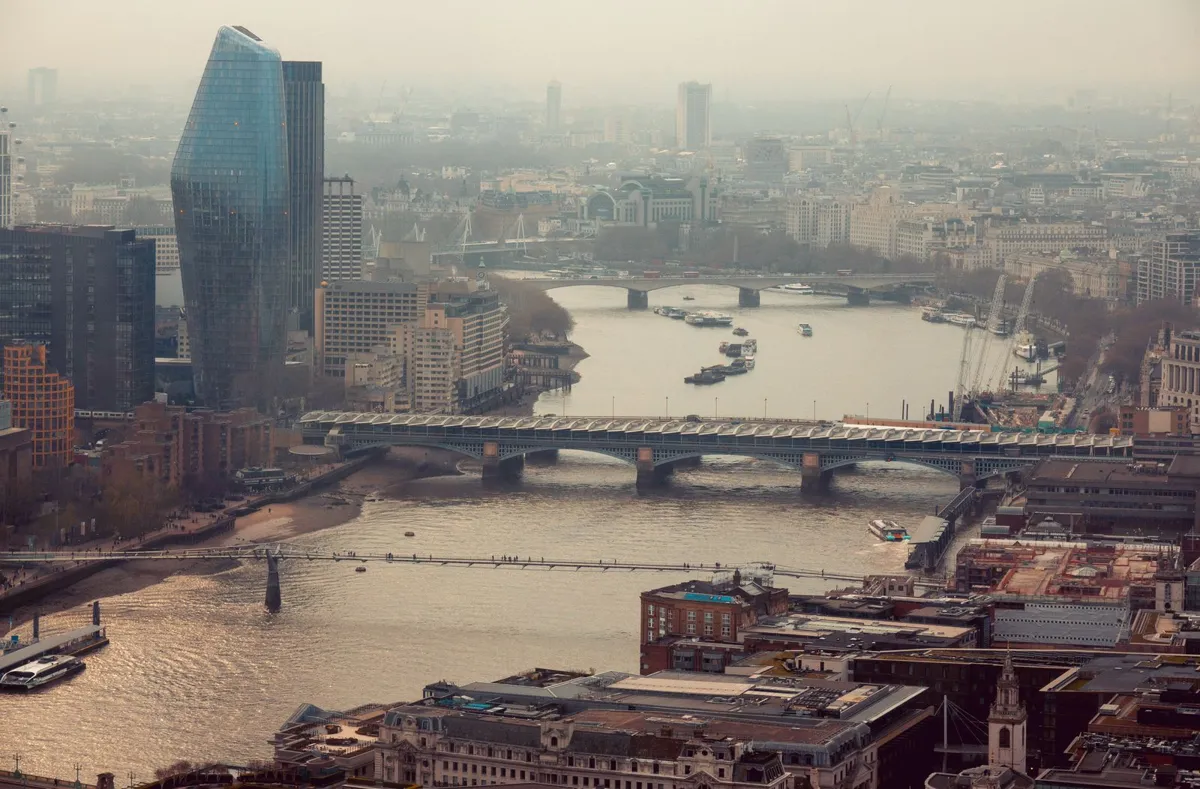
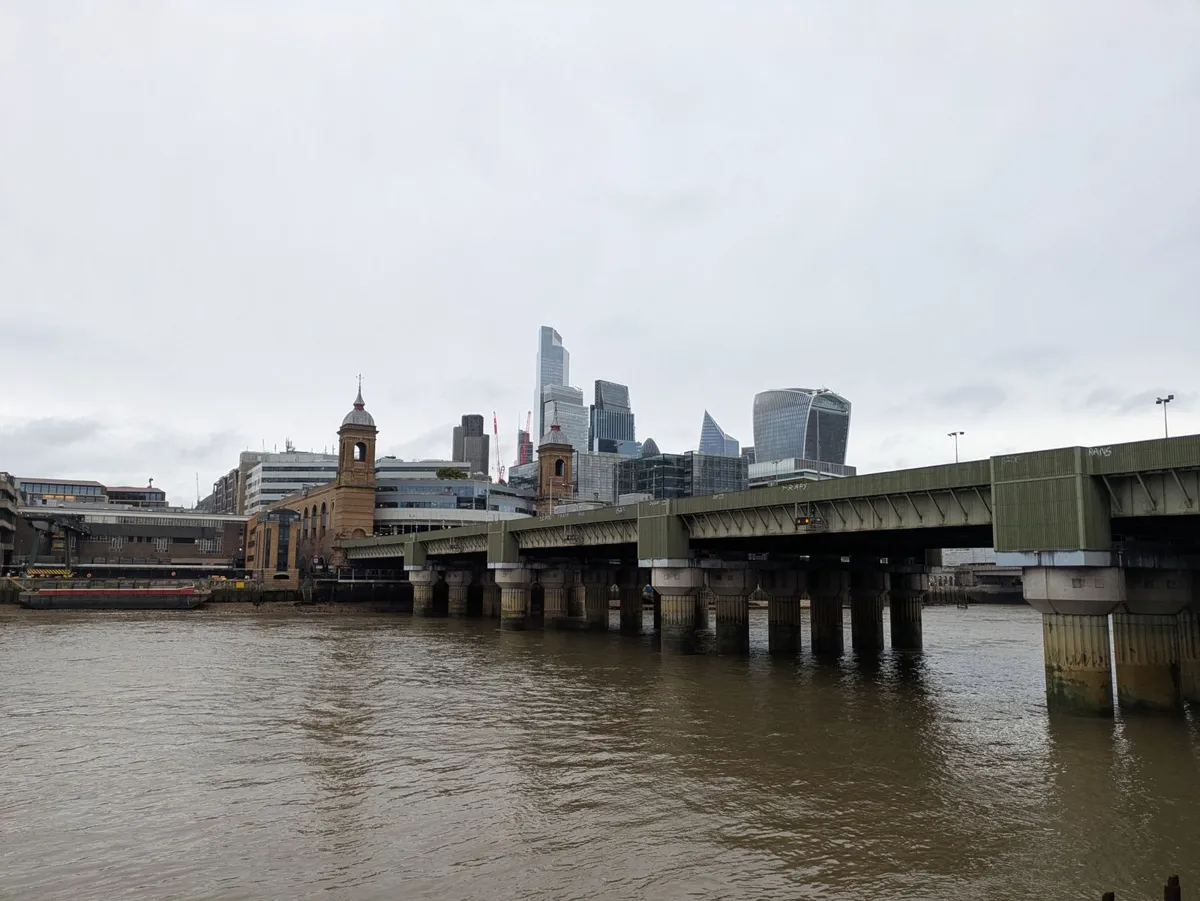
A central riverside outing can connect Westminster with part of the South Bank, giving a first visitor recognizable landmarks and a clear direction. Choose the length according to your energy. The Thames bends, and a waterfront path that looks continuous can still involve diversions, stairs or busy crossings. Identify a sensible finishing station before you begin rather than walking until the next famous bridge persuades you to continue.
The South Bank has cultural venues, food options and public spaces close to the water. Pick one indoor anchor if you want a performance or collection, then keep the rest flexible. A theater ticket and a restaurant booking should leave a comfortable gap; reaching the building is not the same as being seated, and busy intervals can slow movement along the river.
Keep museum choices geographically honest
The museums in South Kensington form one useful area, while Bloomsbury offers another. These should not become consecutive stops simply because both contain famous collections. A large museum can occupy several attentive hours, and a second one across town often receives only the energy left over. Choose the collection that interests you most and pair it with nearby streets or a park.
Free general admission, where offered, does not mean that every exhibition or timed experience is unreserved or free. Read the institution's current visitor information. If you plan to meet someone afterwards, agree on an actual entrance or street address rather than the name of a large museum complex.
Treat Greenwich as its own outing
Greenwich lies on a southeastern bend of the Thames and deserves a distinct place in a short-stay plan. The riverfront, historic buildings and park can provide a whole change of scene. The higher park viewpoint involves a climb, so decide whether that suits you before adding it to a full interior visit.
A boat journey can be an enjoyable way to arrive, but its timetable and boarding arrangements need to fit the day. Rail or other public transport may be simpler for the return. Do not assume that the transport method which looks most scenic is automatically fastest, cheapest or covered by the ticket you already hold.
Reduce the number of daily decisions
Choose an evening meal close to the day's final district or near your accommodation. London has enough choice that crossing the city for an ordinary dinner is rarely necessary. If a particular restaurant or show is genuinely important, let it define that evening rather than trying to attach it to a geographically unrelated afternoon.
The Underground map is useful for connections but distorts walking distances. Check a street map when two stations or attractions seem close, and investigate step-free access if stairs are difficult. A route with fewer changes can be preferable to the shortest quoted journey, especially with bags or after a tiring day.
Rainy weather does not require abandoning a district. Replace an outdoor segment with a nearby collection, bookshop or longer meal, keeping the overall route intact. For a first visit, three well-organized areas usually produce a stronger understanding than a dozen scattered sights. London will still contain plenty you have not seen; the point is to leave with clear memories, not a map full of transit lines.