Choose the sleeping arrangement deliberately
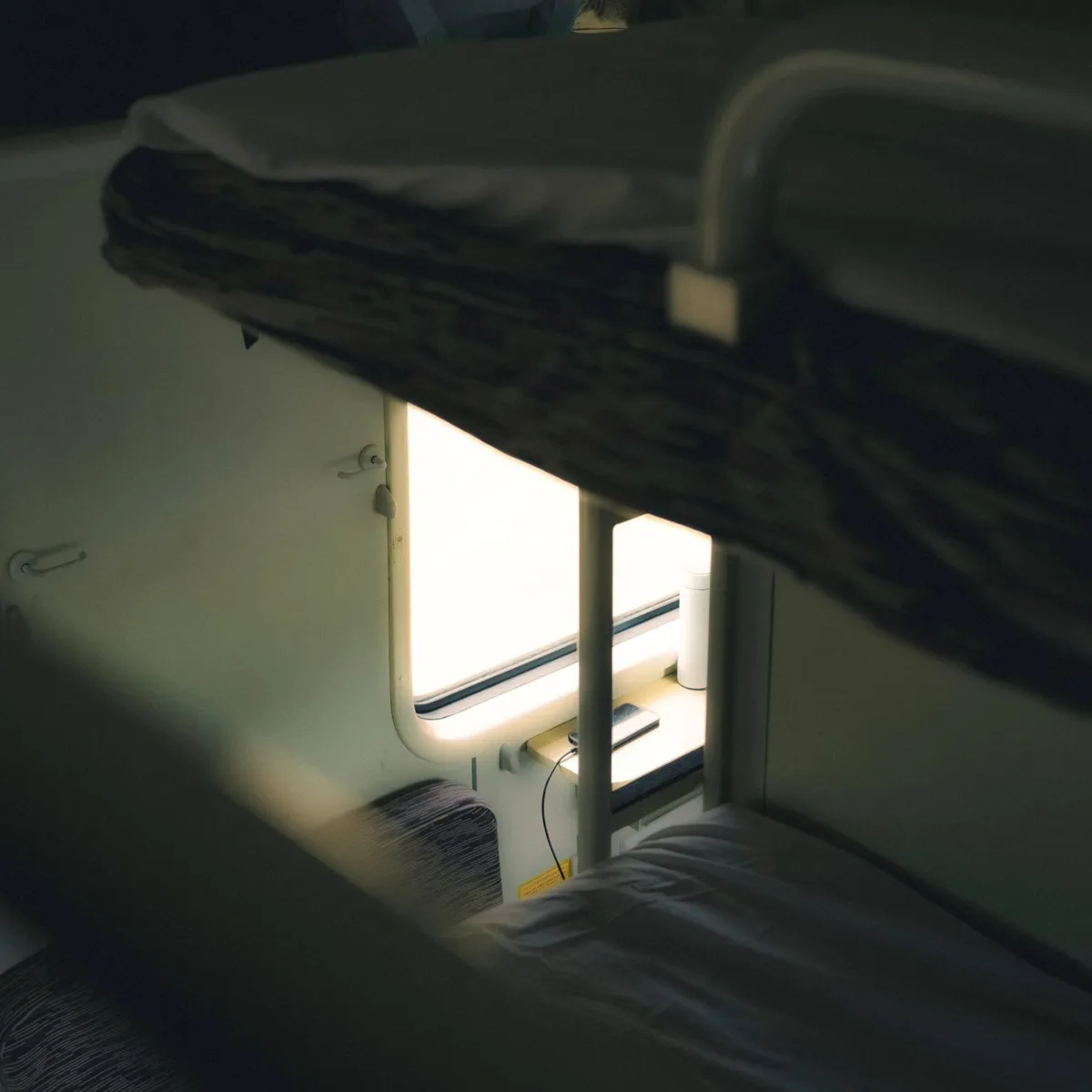
A reclining seat, a couchette berth and a sleeper cabin are different experiences. Check whether you share with other passengers, how many berths are in the compartment and whether a private option is available for your party. Do not infer privacy from a photograph of one empty berth.
Nightjet's official category guide shows several configurations, including differences between newer and older equipment. Review the accommodation offered on the departure you are booking rather than assuming every train has the layout shown on the main website. Bathroom arrangements and accessibility also need a specific check.
Look beyond the hours saved
A very late departure can leave a long gap after hotel checkout. An early arrival can put you in the next city before cafés, luggage storage or your accommodation are available. Plan both gaps before counting the train as a full replacement for a hotel night.
Compare the berth price with the daytime train and lodging it replaces, but include any storage, breakfast or early-room cost you would actually use. A sleeper is not automatically cheaper. Its value may instead be keeping a daylight period free for the destination.
Pack an overnight layer
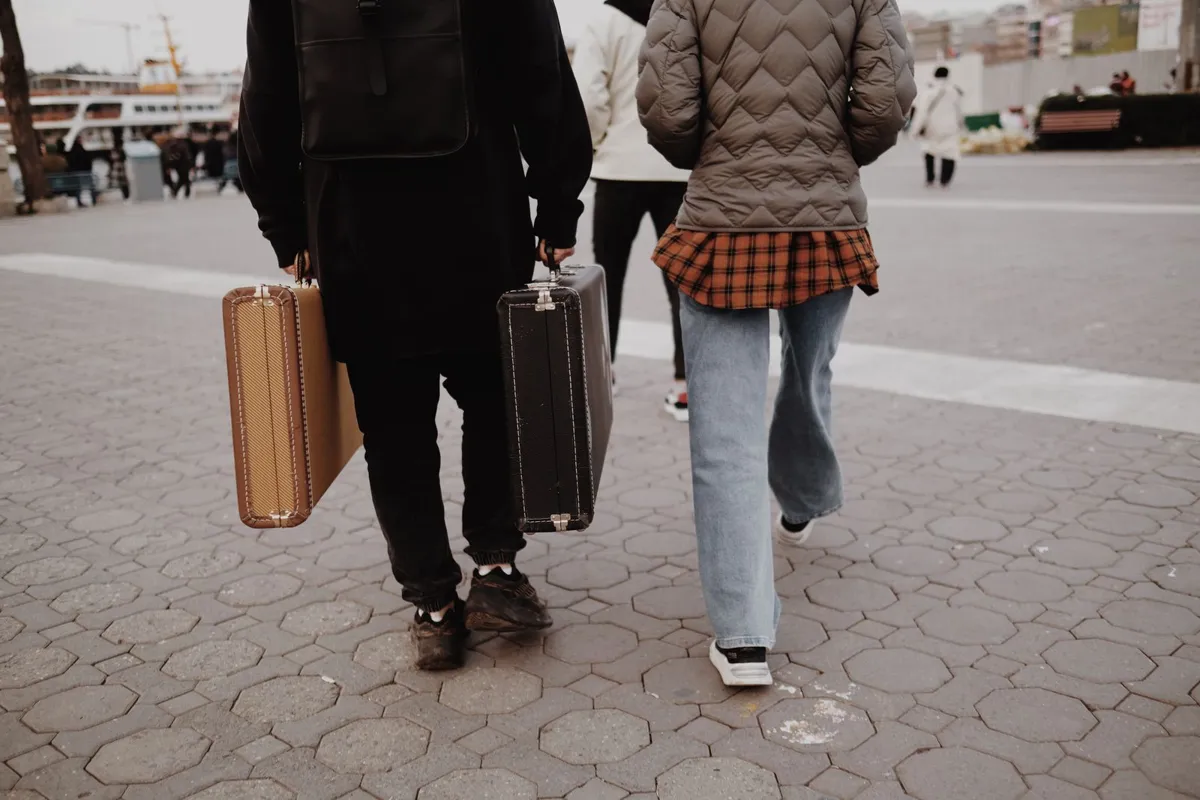
Put nightwear, basic toiletries, essential medication and the next morning's clothes in a small accessible bag. You do not want to open a large suitcase across a shared compartment after others have settled. Check the operator's luggage arrangements and keep passageways clear.
Bring what helps you tolerate light and sound, without expecting silence or uninterrupted sleep. Trains can stop during the night, and compartments are compact. If poor sleep would seriously affect the following day, keep that morning's schedule light rather than booking an immediate long excursion.
Protect the arrival day
Avoid a tight onward connection that assumes an exact arrival. Confirm what to do if the train is delayed and whether subsequent tickets form a through-journey. Keep the first destination activity flexible.
An overnight service suits travelers who value the journey and accept its constraints. It may be less suitable when you need a reliably rested morning or a particular private bathroom arrangement that is unavailable. Choose it because the actual cabin and timetable fit, not simply because sleeping through travel sounds efficient.