Keep the load within its role
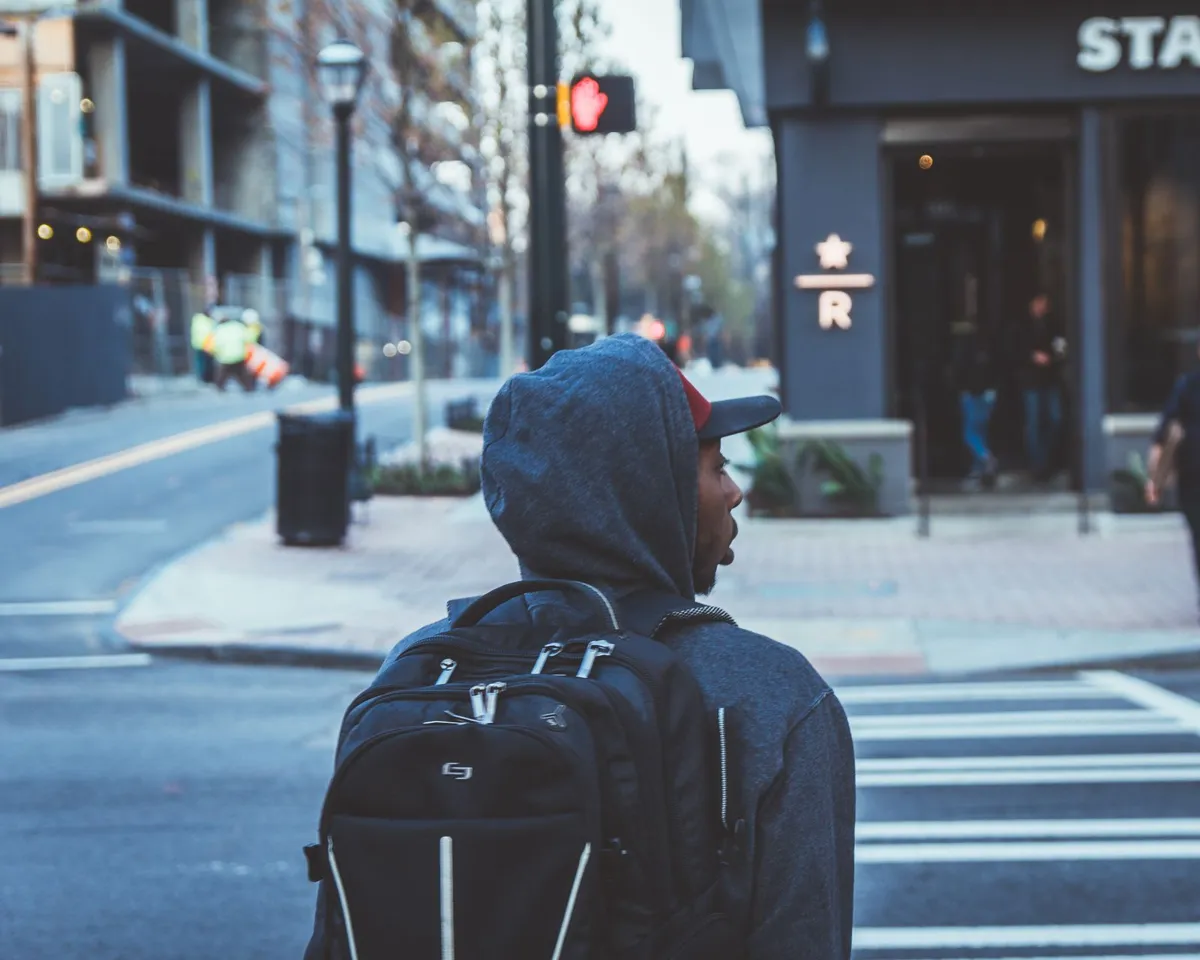
Start with your phone, wallet, tickets and the few personal items you repeatedly use. If you add a full bottle, a large camera and a spare layer, compare the result with a small backpack instead. Concentrating that weight on one shoulder may be less comfortable over a long walking day.
Check the internal dimensions rather than the product photographs. A phone in a protective case can be considerably larger than the bare device. Place it in the intended pocket and make sure the zipper closes without rubbing the screen. A simple divider can be enough to keep keys from sharing the same space.
Adjust it while moving
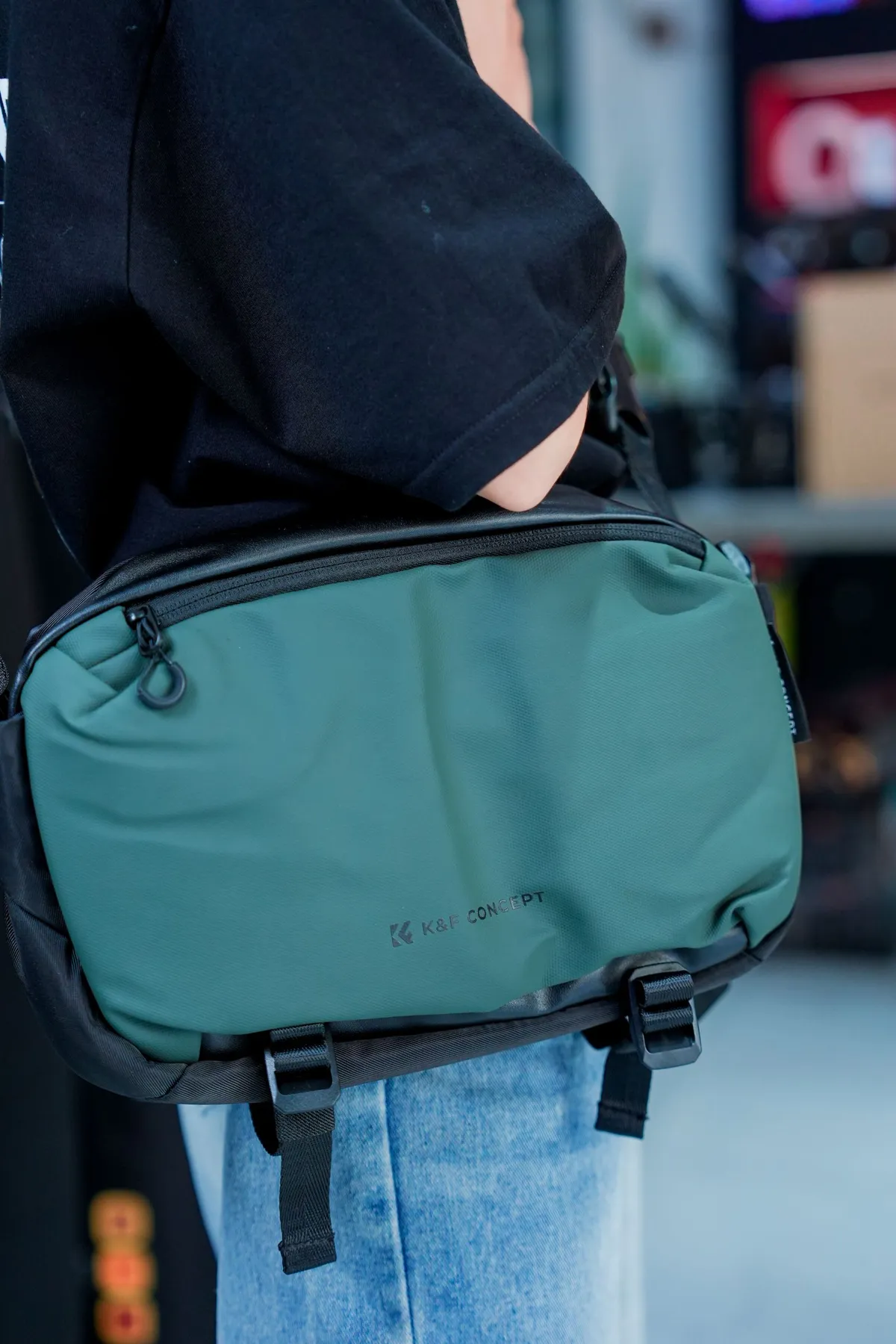
Try the bag over both light clothing and an outer layer. The strap should adjust far enough for each without leaving the bag bouncing against your leg. Walk, sit and bend to tie a shoe. If the bag swings forward every time you move, changing its position may help; if not, a different shape may be more suitable.
Look at the strap where it crosses your shoulder. A narrow decorative strap can feel fine with an empty bag and uncomfortable with a loaded one. Test the buckle and any swivel clips for awkward pressure points. Ease of adjustment matters more than how many carrying positions the packaging advertises.
Convenient access is not a security promise
A zipped opening and a bag kept in view can support careful handling, but no style makes theft impossible. Avoid repeatedly displaying your entire wallet while searching for a ticket. Keep the items you need at a gate separate from less frequently used documents so you can move through without exposing everything.
Think about your main luggage as well. A crossbody strap can interfere with a backpack harness, and a bag worn too low may knock against a suitcase handle. Rehearse the full combination before leaving. For evenings when you carry very little, the same bag may replace a larger daypack; for a long outdoor day, it may be the wrong tool despite being convenient in transit.