Give it one clear job
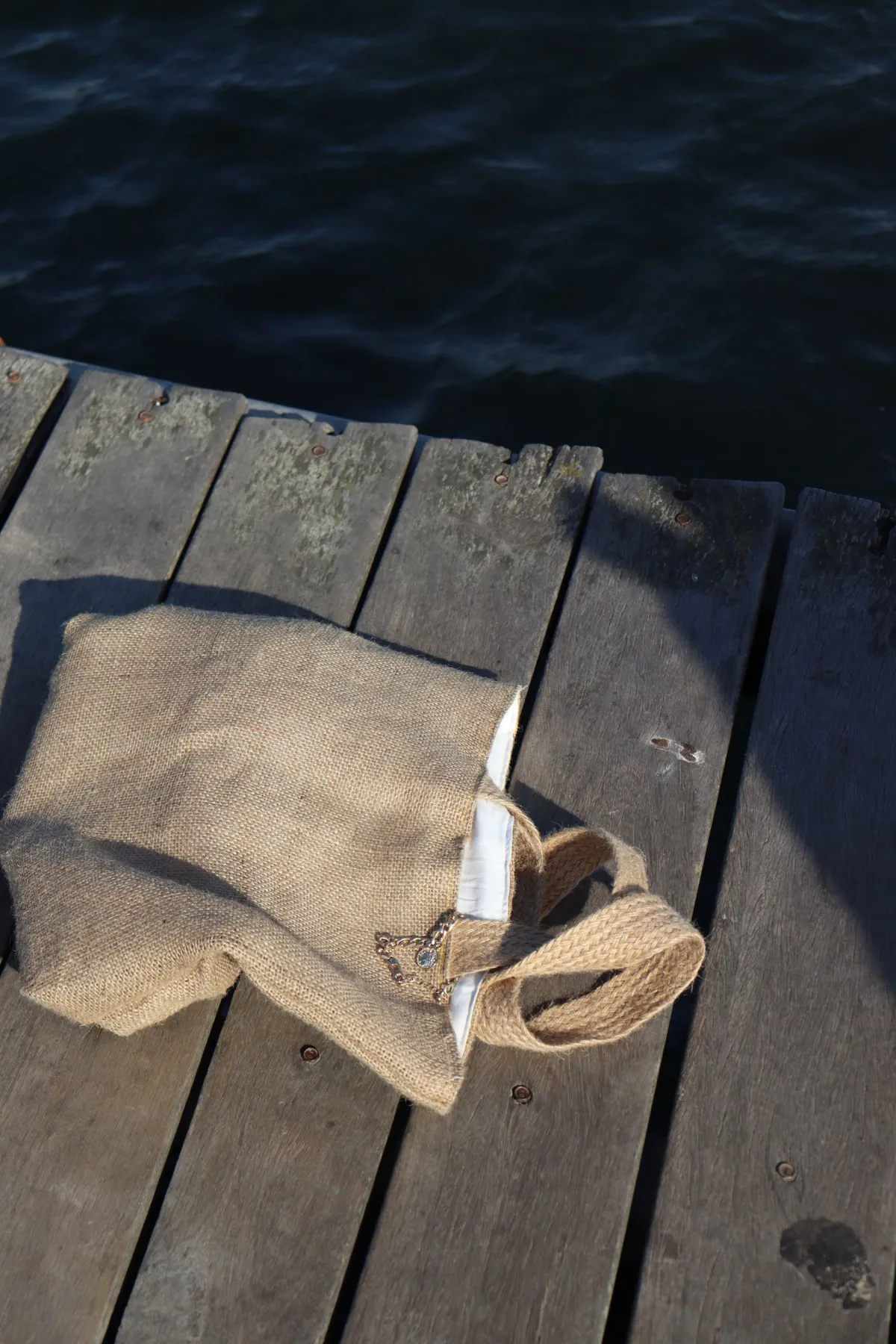
Think about the moment when your main bag becomes inconvenient. You might want to leave a backpack in the room and carry a few items to a café, or separate snacks from clothing on a train. A lightweight tote can help with those tasks without taking much room when folded.
It is less convincing as the solution to a suitcase that is already too full before departure. Anything placed in the tote still has to be carried and may count as an additional piece of baggage. Check the carrier's rules and plan where the tote's contents will go when you need to consolidate everything.
Check the handles and the opening
Put a realistic load in the tote and hold it at your side and over your shoulder. Short handles can be awkward over a coat, while long handles may let the bag drag close to the ground. Thin straps may become uncomfortable with a heavy bottle or several groceries. Choose for a modest load rather than treating the bag as a substitute for luggage.
An open top makes access easy but does not secure small valuables. Keep documents and electronics in a suitable zipped compartment or another bag. If the tote has a closure, test it when the bag is full. A small internal pocket is only helpful if it is not so loose that its contents fall out when folded.
Keep track of the extra piece
The convenience of an additional bag brings one more thing to remember on a train, at a café or beside a hotel bed. Use it intentionally and fold it away again when the temporary need has passed. Avoid hanging it from a suitcase in a way that makes the case unstable or blocks the handle.
Choose a material you can clean according to the maker's instructions, especially if the bag will carry food or damp items. Let it dry before returning it to its storage pouch. A tote that is easy to unfold but difficult to repack may remain loose in the main bag; practice once so its compact size is a real benefit rather than a promise on the packaging.