Pack the whole travel outfit once
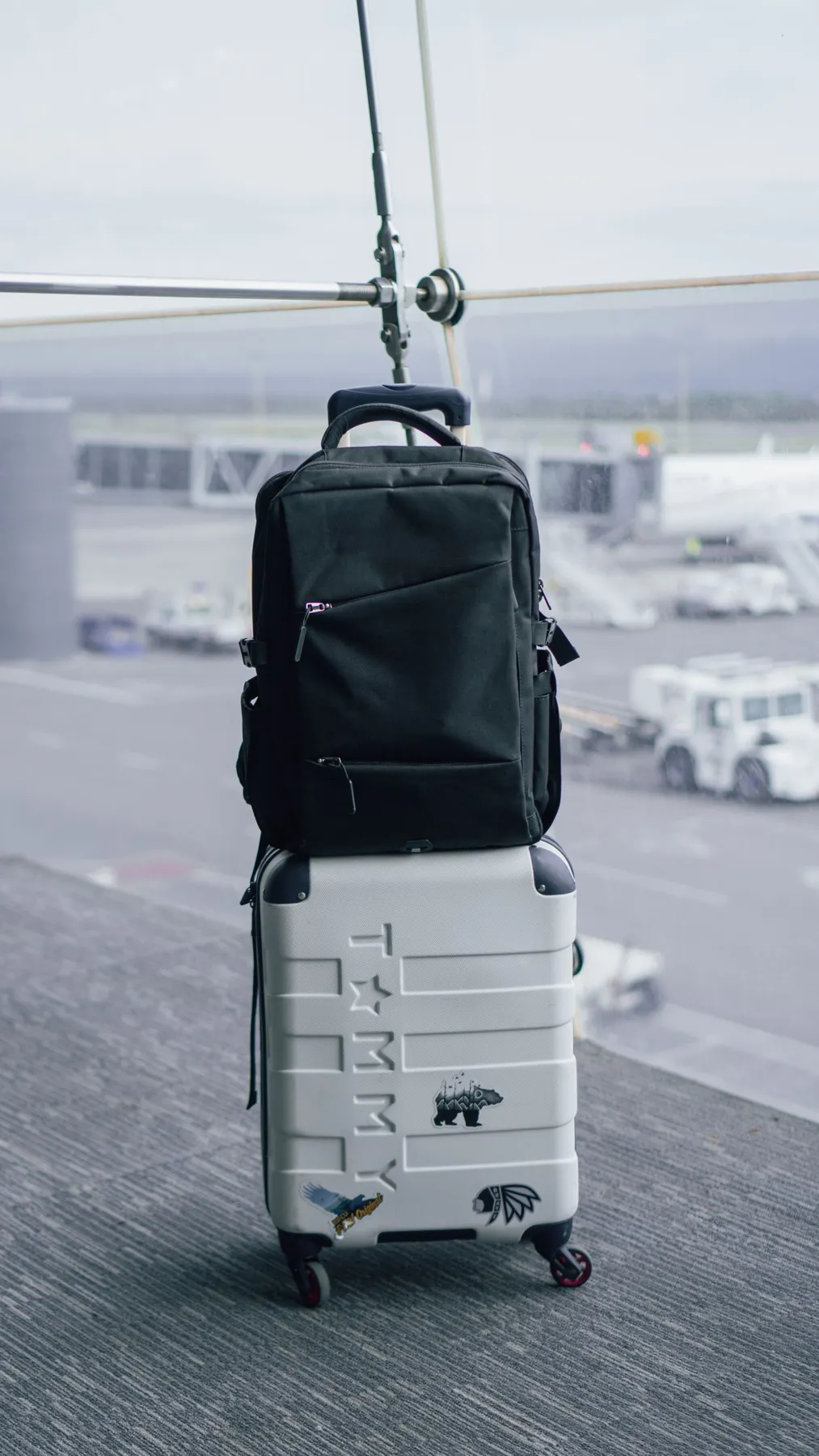
Before leaving, put the jacket or heavier layer you plan to wear into the bag as a test. Add any other item that might be carried separately at the start but need to be packed later. If the case only works with several things permanently in your hands, it has less spare capacity than it appears.
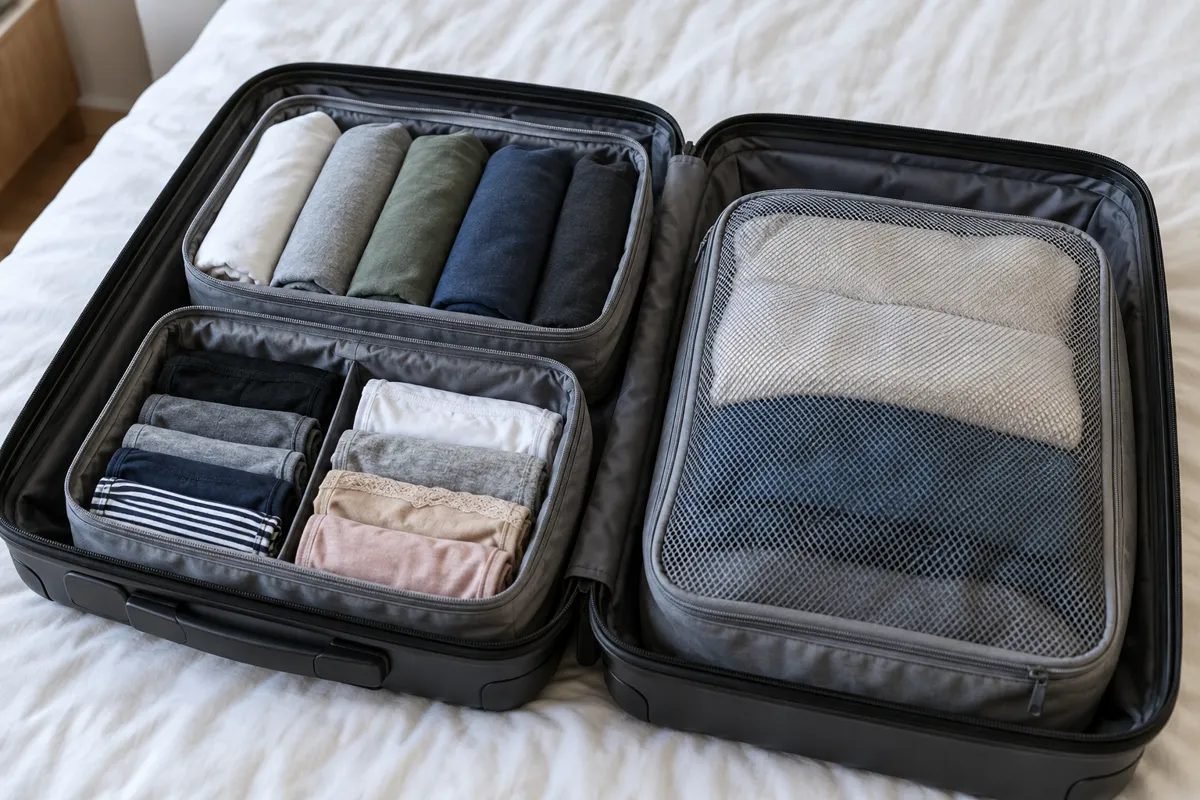
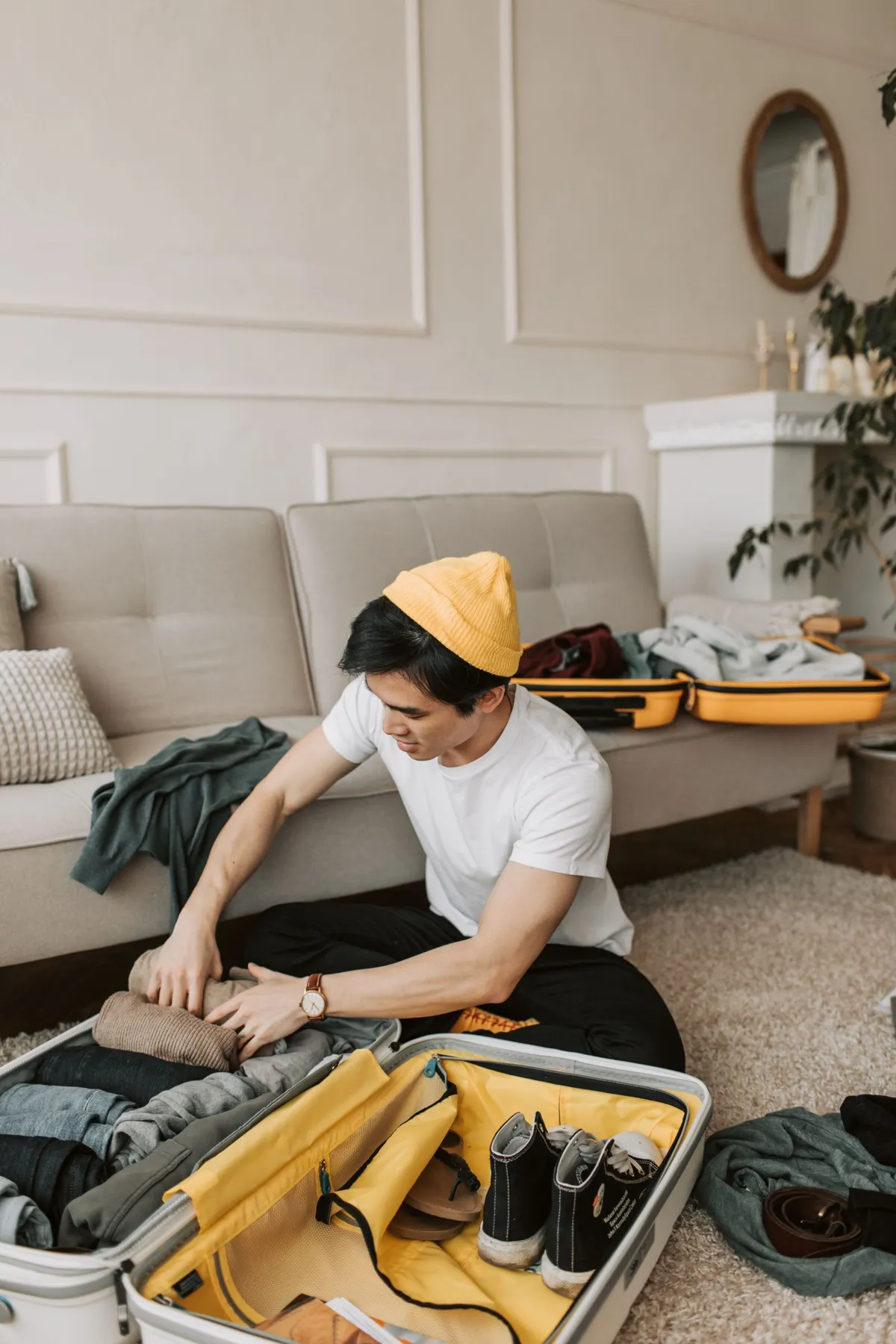
Try repacking without the careful arrangement used on the first attempt. Fold clothing normally rather than spending twenty minutes forcing it into an exact puzzle. The return journey may begin early or in a small room, so a forgiving arrangement is more useful than one that depends on perfect compression.
Give purchases a limit in advance
Decide how much room you are willing to use for anything brought home. A small flexible gap can accommodate modest purchases, while fragile or bulky objects may need a separate transport plan. Check carrier baggage rules and relevant customs restrictions before buying, especially for food or other controlled goods.
Do not assume an expansion zipper creates free capacity. It can change the suitcase's external dimensions and may affect whether it fits a cabin allowance. Weight limits still apply, and an extra tote may count as another item. If a purchase requires additional baggage, include that in the decision before paying for it.
Check fragile purchases separately
Empty volume is not the same as protective space. A small ceramic object can need more room than its size suggests once safely packed, and clothing alone may not prevent pressure from a hard charger or shoe. Ask the seller about suitable packaging and consider whether carrying the item is sensible at all. Do not remove necessary protection just to close the case.
If an item must remain upright or cannot tolerate ordinary handling, think through every transfer before purchasing. A bag may be laid down, placed in a rack or taken for checking. A souvenir that needs constant special treatment can dominate the return journey. Choosing a smaller, less fragile item is sometimes the simplest way to preserve both luggage space and freedom of movement.
Use the last evening to simplify
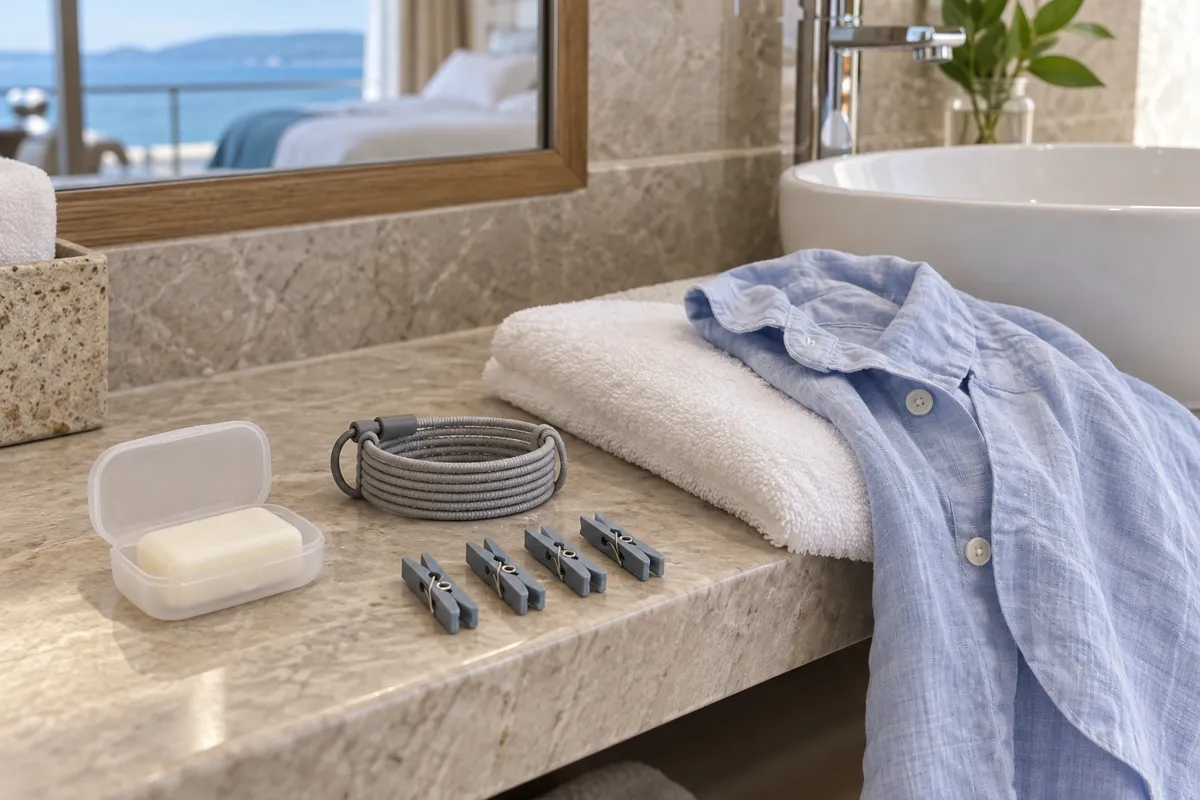
Separate waste and unneeded packaging appropriately, check drawers and put documents where you can reach them. Keep damp items contained temporarily and plan to dry them promptly after arrival. Do not pack wet clothing against paper purchases or electronics just because an empty corner is available.
Leave the items needed in the morning at the top, with a clear space reserved for them once used. Close the bag before bedtime if possible, then measure or weigh it when the carrier's limits make that relevant. A little unused space on departure is not inefficient packing. It is room for the ordinary disorder of a real trip and makes the final journey easier to manage without frantic rearranging at a station or check-in desk.