Identify the photographs you want
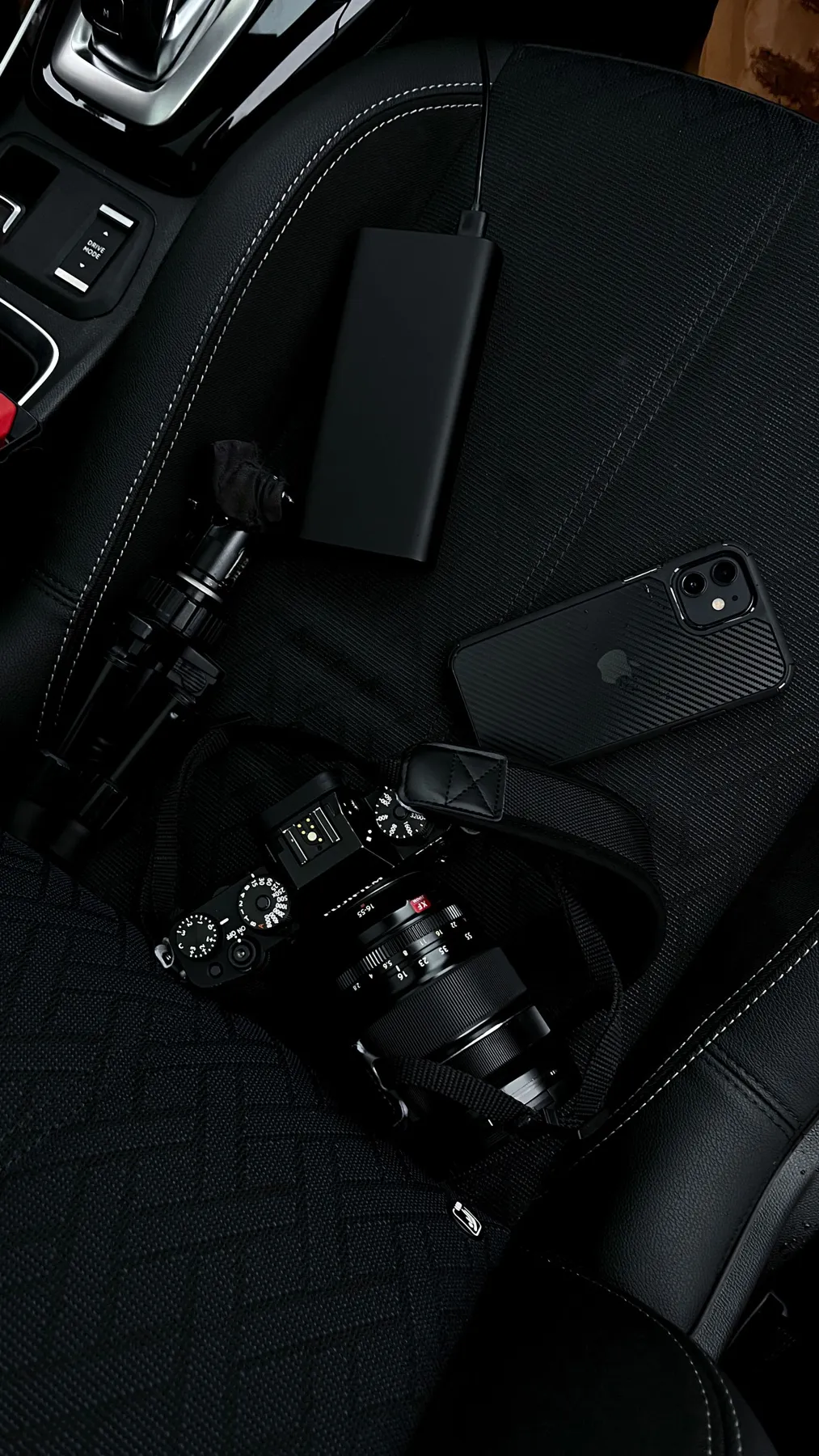
If your main goal is recording meals, streets and moments with companions, a familiar phone may meet the need without extra luggage. If you want to work with a particular lens, make large prints or spend dedicated time photographing details, a separate camera may offer controls you value. Define the purpose before comparing specifications.
Look at photographs from a previous outing. Were the limitations caused by the equipment, or by rushed framing and unsuitable light? A more complex camera does not automatically solve the latter. Learning a few settings on a device you already own can be more useful than buying unfamiliar equipment immediately before departure.
Include the whole kit in the decision
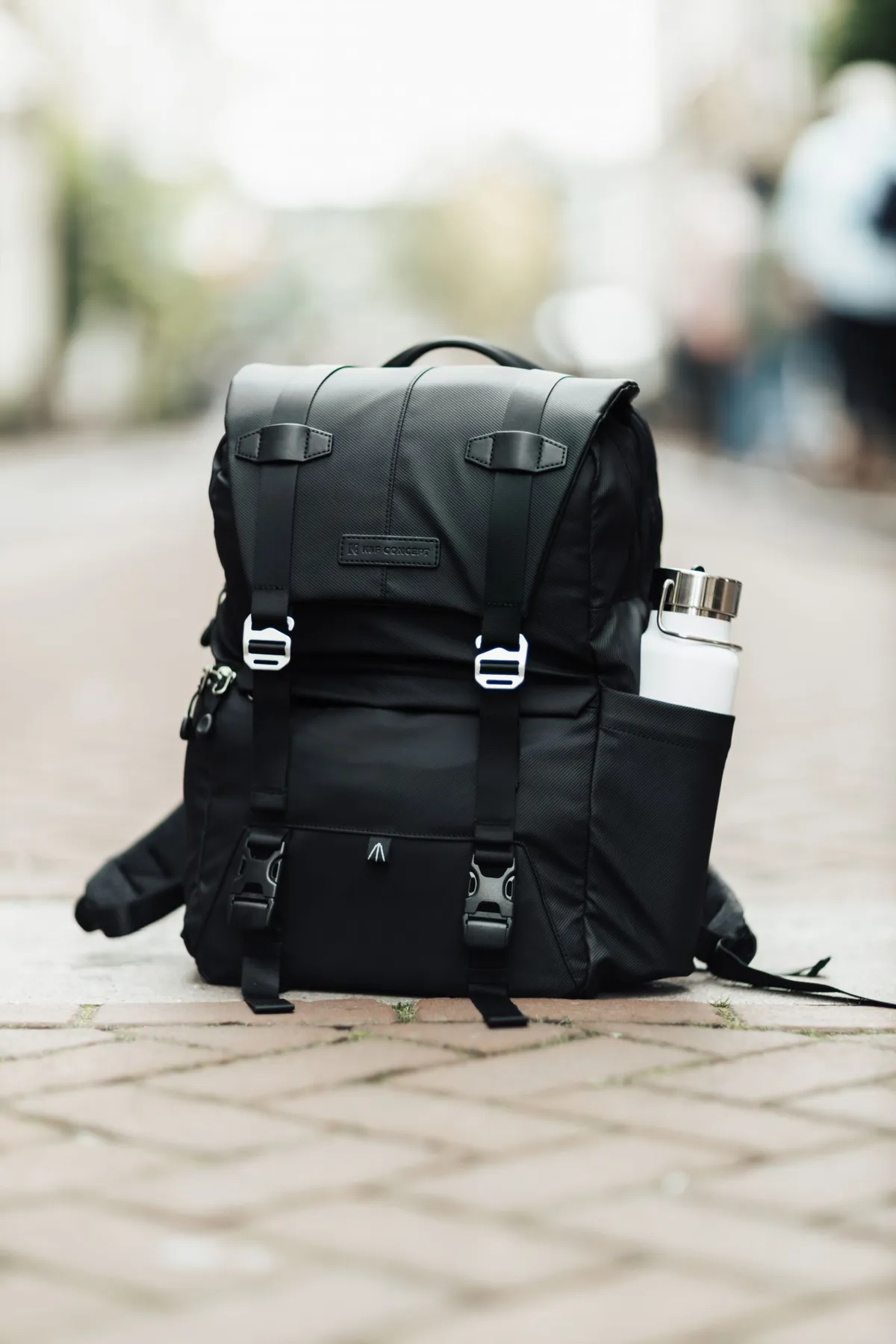
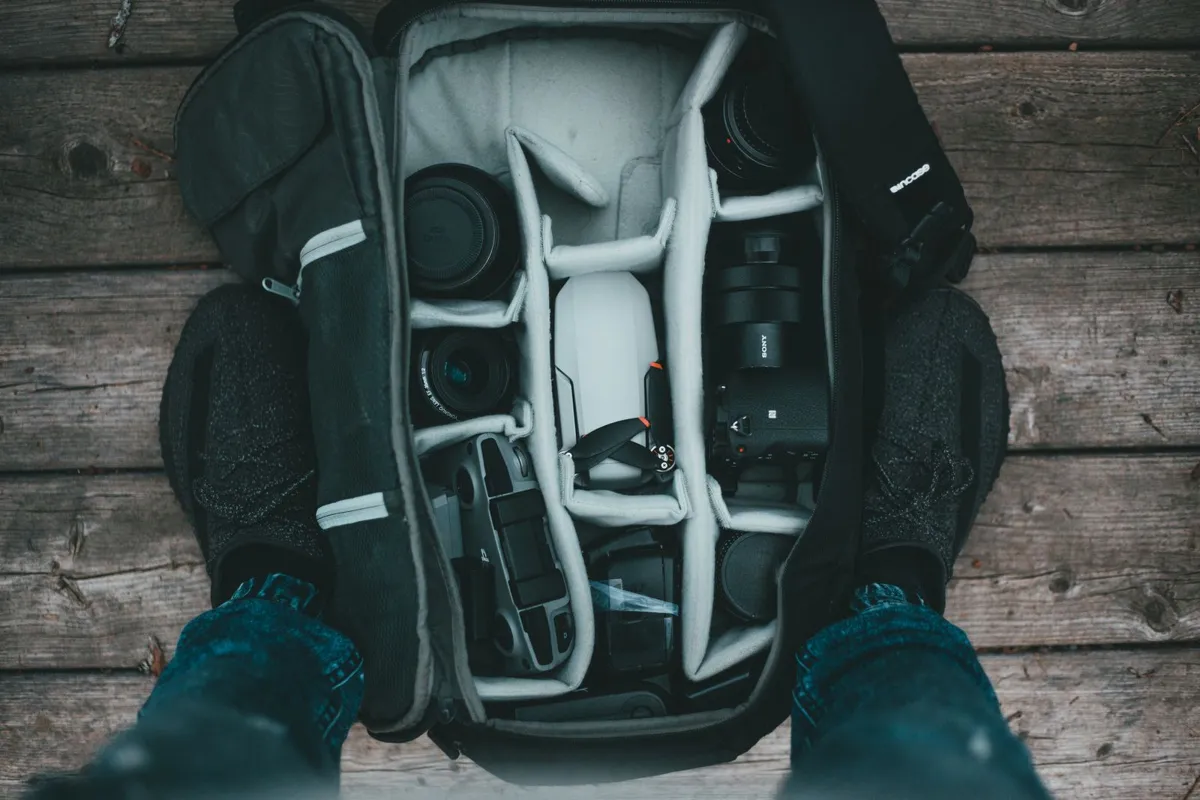
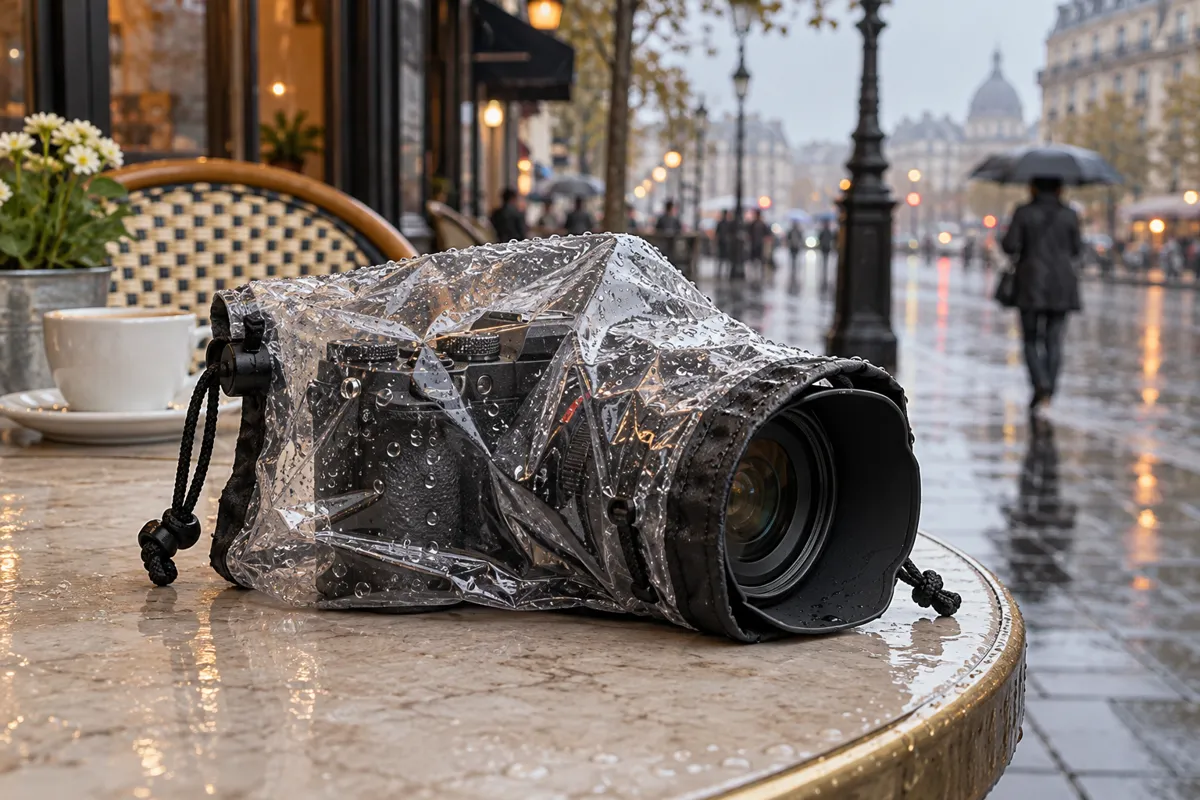
A camera means more than the body. Count the lens, batteries, charger, memory cards and the protection needed to carry it. Put the full kit in the bag and walk with it. If it makes the daypack unpleasantly heavy, reduce the accessories or reconsider whether the camera serves enough of the itinerary.
A phone shares power and storage with navigation, messages and tickets. Make space before leaving and plan charging accordingly. A separate camera can keep photography from competing with those functions, but also creates another device to protect and another set of files to manage. Neither option removes the need for a backup plan.
Try a half-day comparison before departure
Take the phone on one local walk and the proposed camera kit on another. Choose a route with a mixture of buildings, indoor light and moving subjects similar to those you expect to photograph. Compare not only the images but also how often you stopped, how much attention the equipment demanded and whether carrying it changed your enjoyment.
Review the files in the way you will normally use them. If most photographs will be shared on a phone, evaluate them there as well as on a large display. If printing is important, make a representative test print rather than assuming a larger sensor is automatically necessary. This small rehearsal helps separate genuine photographic preferences from the appealing idea of taking a camera that may spend the trip in the hotel.
Make photography fit the day
Allow time for photographs without stopping in a doorway, blocking a path or stepping into traffic. Check venue rules for cameras, flashes and larger equipment before a visit. A small device does not exempt you from restrictions or from asking permission when appropriate.
If traveling with others, agree on whether photography is a central activity or an occasional part of the walk. That choice affects the pace more than the camera model. Bring the device that supports that arrangement and leave room to experience the place without viewing every moment through a screen. On a short trip, familiar equipment and a clear purpose often matter more than carrying the largest possible kit.