Pack the trip before choosing the bag
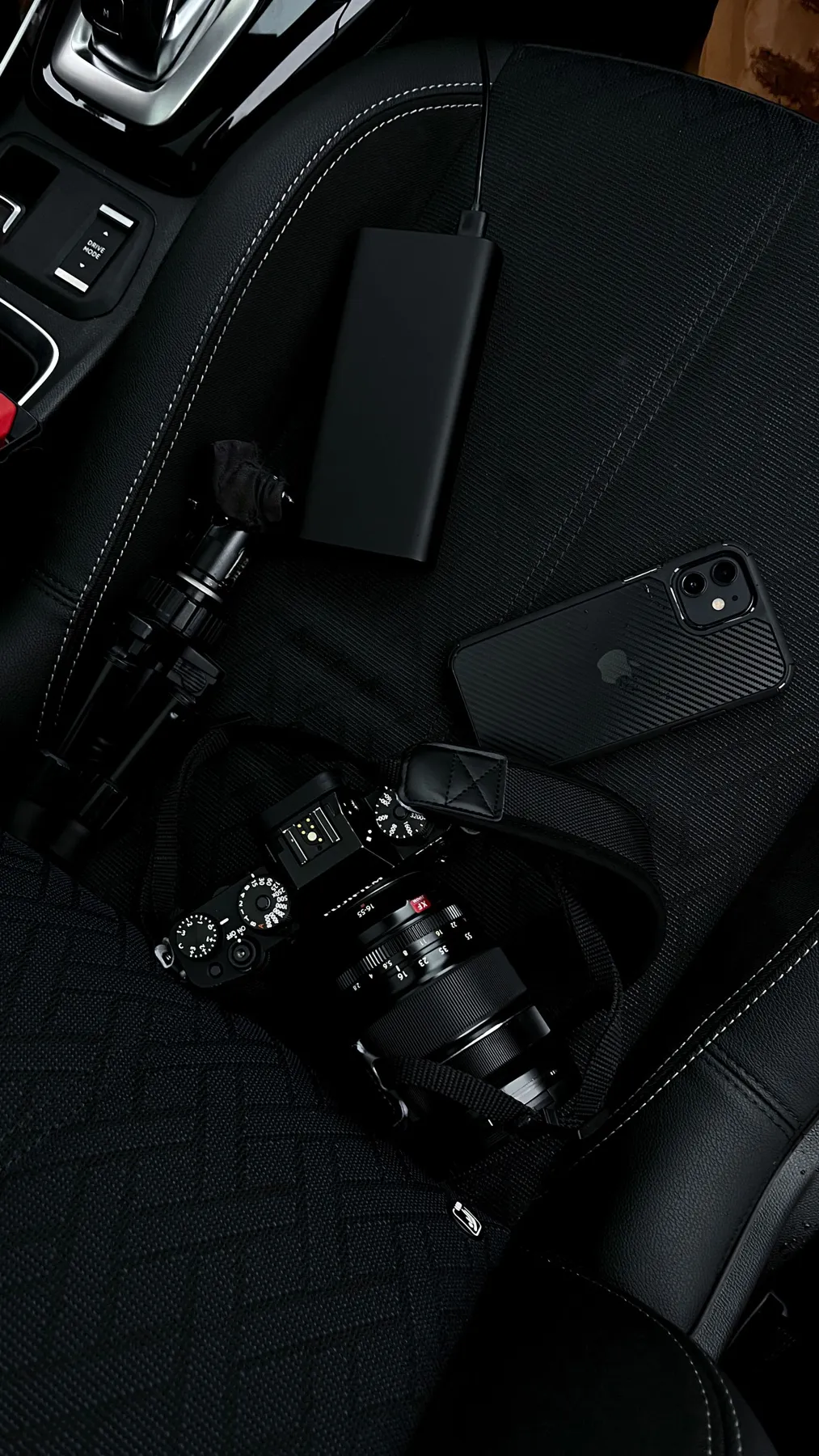
Lay out two changes of underwear, the clothing you genuinely expect to wear, toiletries and your charging kit. Add any laptop or camera that must travel with you. Put these items into an existing bag or a simple box before comparing products. A bulky spare pair of shoes can change the requirement more than another shirt. Removing something unnecessary may help more than buying a bigger backpack.
Do not treat liters as an airline allowance. Capacity describes internal volume, while an airline may apply external dimensions, a weight limit, or a restriction tied to your fare. Check the operating carrier for every flight and measure the packed bag, including bulging pockets. A soft backpack only compresses when its contents have room to move.
Try it with the weight in place
An empty pack can feel comfortable even when its harness is wrong for you. Load it with a realistic combination of clothing and electronics, then walk, turn and climb a few steps if the shop permits. Notice whether the shoulder straps pinch near your neck, whether the bottom bumps your hips, and whether the bag pulls you backward when you stop leaning forward.
Torso length and harness shape matter more than your overall height. On packs designed to transfer weight through a padded hipbelt, that belt needs to sit and adjust correctly; a thin webbing strap on a small daypack serves a different purpose. Use the maker's fitting instructions rather than tightening every strap as far as it goes. If discomfort remains after adjustment, try another design instead of assuming you will get used to it.
Match the opening to the way you unpack
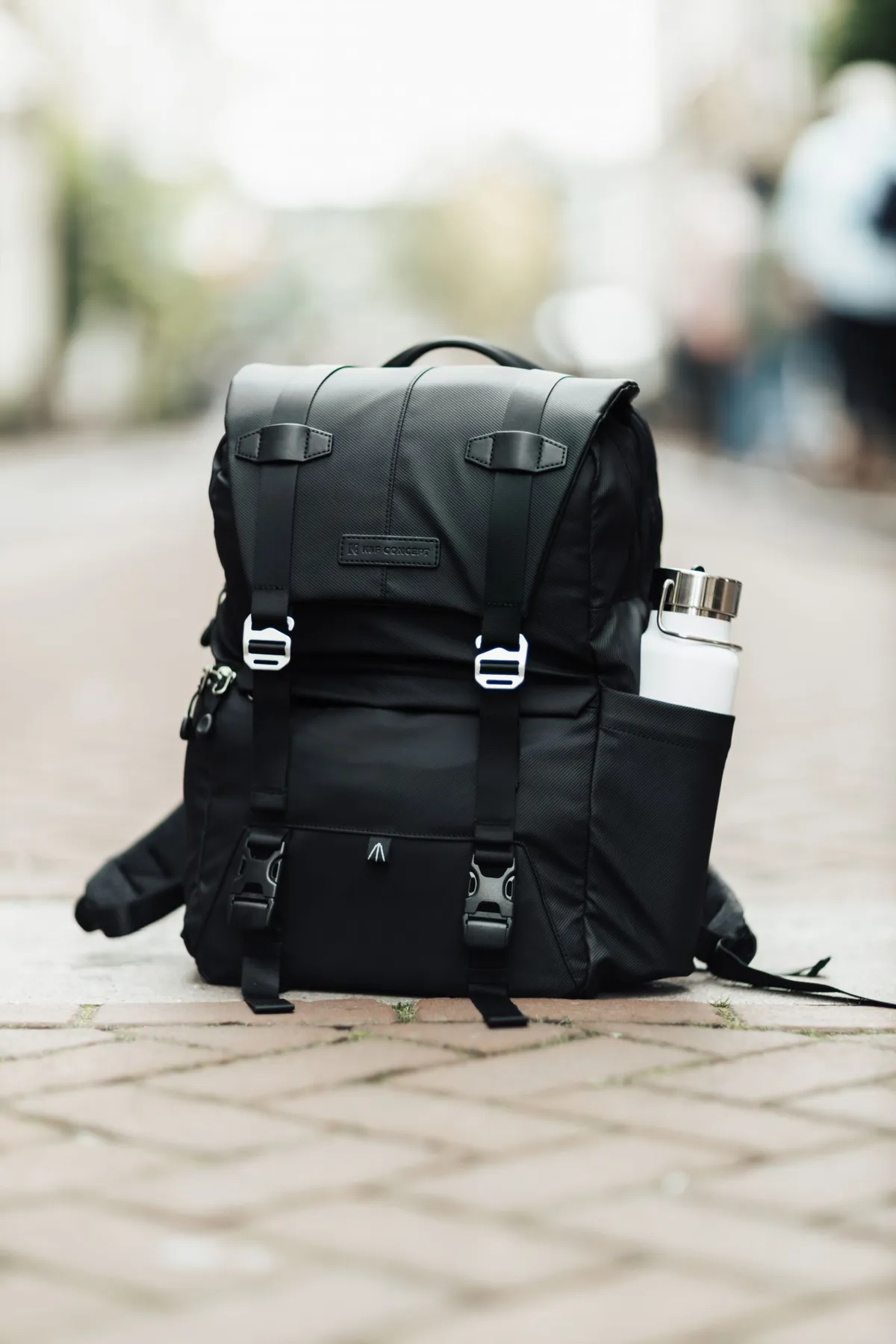
A suitcase-style opening makes it easier to find clothing in a small hotel room. A top-opening bag may suit a compact load, but anything at the bottom can require unpacking the rest. Test where your passport, transit ticket and water bottle would go. These items should be accessible without exposing the entire clothing compartment in a station.
A separate laptop sleeve is useful only if you are taking a laptop. Extra compartments add structure and sometimes empty weight, while a simple bag can work well with one or two small organizers. Check that exterior pockets remain usable when the main compartment is full. A bottle pocket flattened by an overpacked interior is not much help on arrival day.
Plan for the hours before check-in
Ask whether your accommodation can hold luggage before deciding to carry the full pack while sightseeing. If you will walk with it for several hours, prioritize fit and a modest load. If it only travels from a station to a nearby hotel, easy packing and comfortable grab handles may matter more. Choose for that real journey, then leave a little spare space so repacking on Sunday is not a wrestling match.