Choose what you want to learn
Start with a subject rather than a list of museum names. Art, aviation, natural history and American history offer very different experiences, and each major collection can demand sustained attention. Choose one principal visit for the day and identify a smaller optional stop only if you still feel interested afterwards. Free admission, where available, is not a reason to turn every nearby building into a compulsory task.
Check the institution's current entry requirements, security procedures and location. Some experiences require timed passes, and similarly named facilities may be in different parts of the region. Leave time to find the correct entrance and avoid carrying a bag so large that storage rules become the day's main problem.
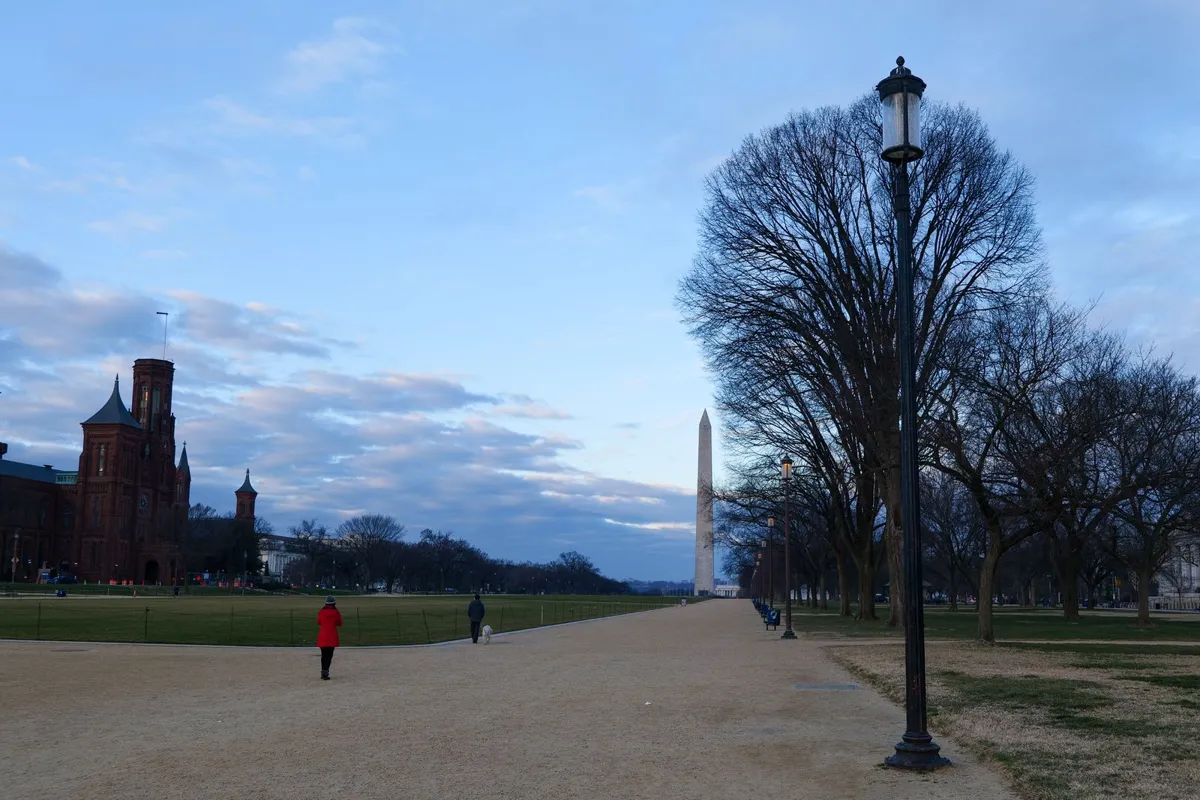
The Mall is larger on foot than it looks
Open lawns and distant sightlines make the National Mall appear deceptively compact. A monument visible ahead can still involve a substantial walk, often with limited shelter along the way. Plan water, a meal and a rest stop rather than assuming they will appear exactly when needed. In hot weather, reduce the exposed portion and use transport where it helps.
Memorials deserve a different kind of attention from a museum gallery. Visit respectfully, allow room for others and avoid turning remembrance spaces into a hurried photo sequence. An evening visit may offer a different atmosphere, but still requires a clear return plan and an assessment of weather and accessibility.
Leave the monumental core
A neighborhood outing gives the trip another dimension. Georgetown, Capitol Hill or a different district can provide streets, shops and dining beyond the Mall. Pick one based on your interests and check the actual transport connection rather than assuming every neighborhood is served identically by rail.
Rainy weather is not a signal to double the museum schedule. A longer visit to the collection you already chose, followed by a comfortable meal, can be more satisfying. Washington's concentration of important institutions creates abundance, not an obligation. Leaving with a clear memory of a few exhibits and a sense of one neighborhood is a better result than rushing through rooms you can no longer distinguish.