Separate the next document from the archive
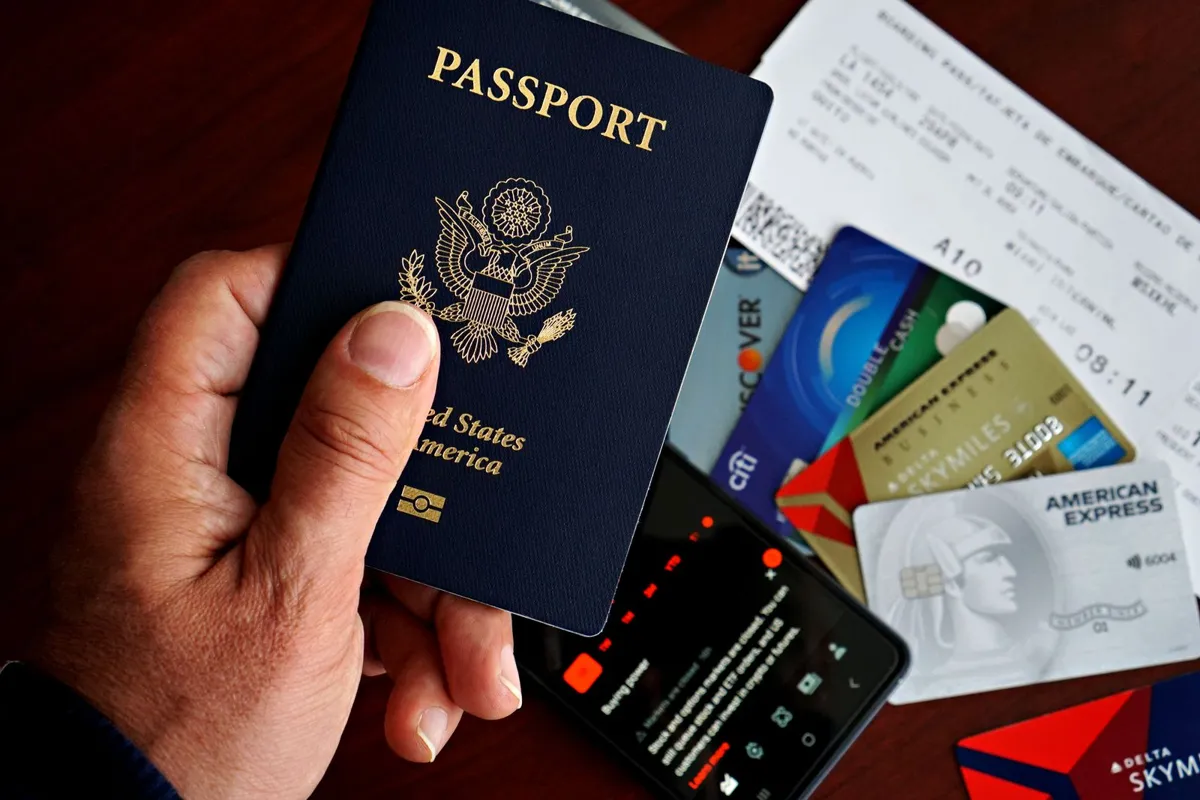
Keep the document needed for the next stage easy to reach: a boarding pass at an airport, a train reservation at a station or the accommodation address on arrival. Store less frequently used paperwork elsewhere in an orderly way. This reduces the need to display the whole collection whenever someone asks for one item.
Review which documents must be originals and which information can be kept as a reference copy. A copy of a passport does not replace the original for ordinary international travel. Check official entry and carrier requirements for your specific route rather than assuming a digital image is sufficient.
Make a backup that remains accessible
Save essential addresses, reservation references and contact information in a form you can reach if the phone is offline. Consider a small paper reference for the most important details. If every copy depends on the same device and the same account password, the backup may fail at the exact moment you need it.
Protect sensitive information. Avoid putting identity documents into an unprotected public link or sharing them through an unfamiliar service solely for convenience. Use the security features of the systems you already understand, and keep physical copies discreet. Balance accessibility with the risk of exposing more personal data than necessary.
Do not make companions depend on one device
For a shared booking, ensure another responsible traveler can access the necessary reservation details where the booking terms allow it. That does not mean distributing every person's identity documents indiscriminately. It means avoiding a situation in which one phone failure leaves the group unable to find its address or reference number.
Agree on a simple meeting point or contact method if you become separated, especially when mobile service may be unreliable. Keep the plan understandable without requiring a newly installed app. A short written address and a clear agreement can be more resilient than an elaborate system that nobody except the person who organized it understands.
Rehearse an ordinary disruption
Imagine the phone battery is empty when you reach the station. Can you find the accommodation address, booking reference and a way to contact someone? Then imagine the organizer is misplaced. Knowing what information remains available elsewhere reveals weaknesses more clearly than buying a wallet with additional compartments.
Before leaving a seat or room, check the few places where essential items belong. A consistent routine is easier to maintain than moving documents between pockets throughout the day. After the trip, remove expired reservations and dispose of unneeded sensitive paperwork appropriately. Keep current emergency contact information, but do not carry years of old tickets that make the next important document harder to find.