Write down the exceptions first
List anything that genuinely changes your clothing needs: a formal dinner, swimming, a religious site with a dress requirement or a long outdoor walk. Verify the specific venue's rules instead of packing for an imagined restriction. Once those exceptions are accounted for, most of the remaining time may be ordinary walking, eating and traveling.
Pick a main bottom layer that works with more than one top and the shoes you intend to wear. The aim is not a fashionable capsule formula; it is to avoid a shirt that only works with trousers and footwear you otherwise would not bring. Lay the combinations out so an awkward mismatch is visible before packing.
Separate changes from possibilities
Plan clean underwear and socks for the trip, then decide how many tops you need for the weather and your comfort. Hot days or energetic activities may call for more changes than a cool weekend. A spare top can be sensible without turning into a spare version of every item.
Treat the travel outfit as part of the plan. If you wear your heavier layer on the journey, it still needs somewhere to go when the day warms up. Do not fill the bag to its limit while ignoring the jacket on your shoulders. Leave enough space to pack the entire set when circumstances change.
An example built around one extra occasion
Suppose the trip includes two days of walking and one dinner that needs slightly smarter clothing. Start by asking whether your everyday trousers and comfortable shoes already suit that dinner. If they do, one appropriate top may cover the exception. Packing a second full outfit with different shoes would add considerable volume for only a few hours of use.
If the dinner truly requires different clothing, reserve space for that requirement before adding optional items. Do not pretend it can be compressed away. The same method works for swimming or a planned hike: account for the specific activity, then let the remaining clothing overlap. A compact bag comes from making those choices early, not from excluding an item that the itinerary genuinely needs.
Run a short packing test
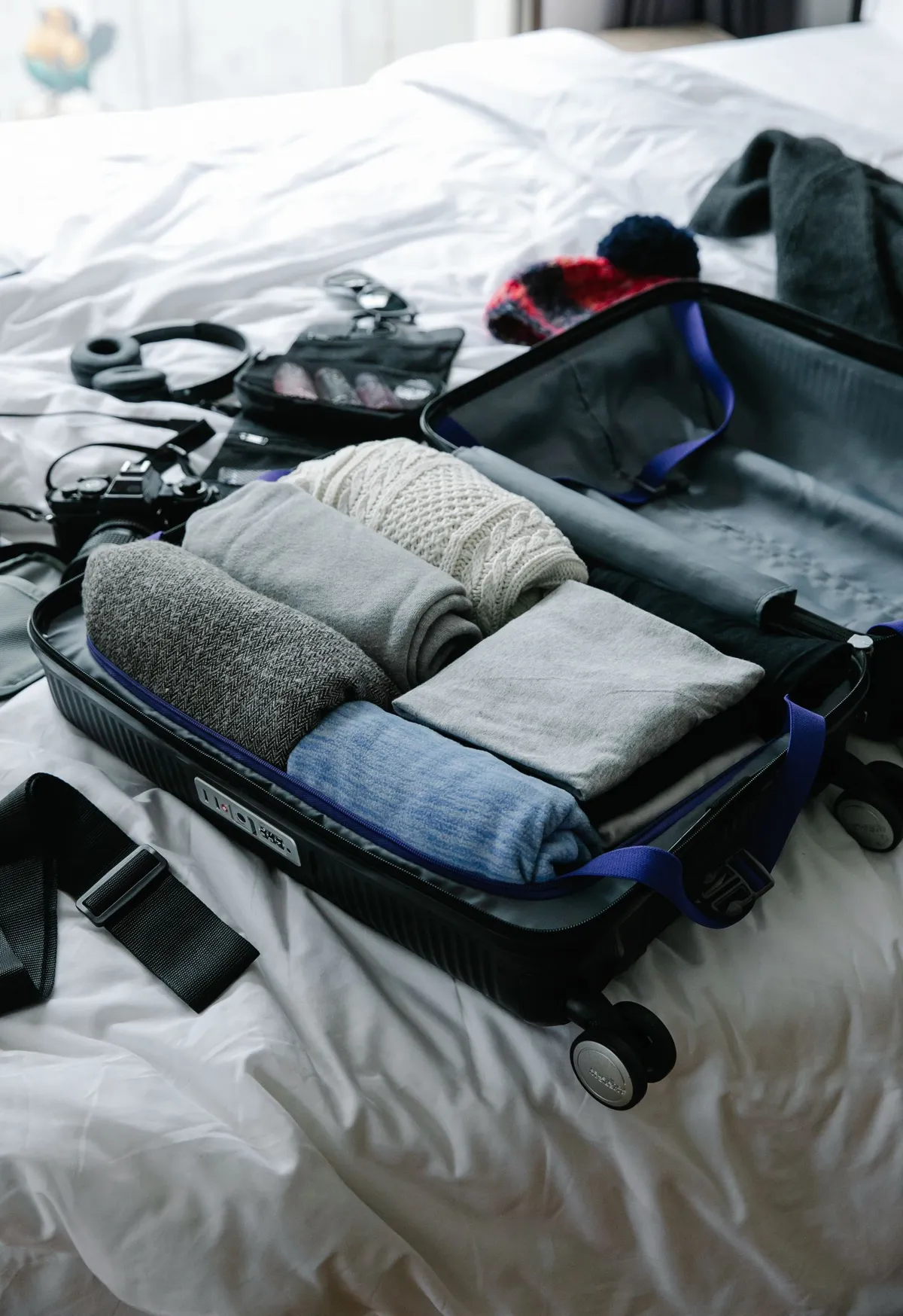
Put the planned clothing in your bag with toiletries and electronics, then close it without force. If it is overfilled, remove the least likely outfit before compressing everything more tightly. Check whether a second pair of shoes or a bulky sweater is responsible for most of the problem.
Set aside a lightweight bag for worn items and keep clean clothing from sharing a compartment with damp fabric. On returning home, note what remained unused and why. A garment kept for a real weather contingency may still have been worthwhile; several outfits packed because you could not decide probably indicate room to simplify. Use that experience to refine the next trip rather than adopting someone else's exact item count.