Draw the connections once
List each device and the connector, charger and cable it requires. Include less obvious items such as a watch, headphones or a camera battery charger. Note whether two devices can genuinely share a cable or merely have plugs that look similar. Connector shape alone does not establish charging speed or every supported function.
Test the full combinations at home. A cable that charges a phone slowly may not be the cable you want for a laptop. A multiport charger may distribute its output differently when several devices are attached. Consult its specifications and check the combination you actually plan to use rather than testing each port separately.
Pack for the room, not just the pouch
Consider where you might charge devices overnight. One very short cable keeps a kit tidy but may leave a phone hanging from an awkward wall outlet. One excessively long cable can create clutter beside the bed. Choose a length that works for your main device and keep the route clear of walking areas.
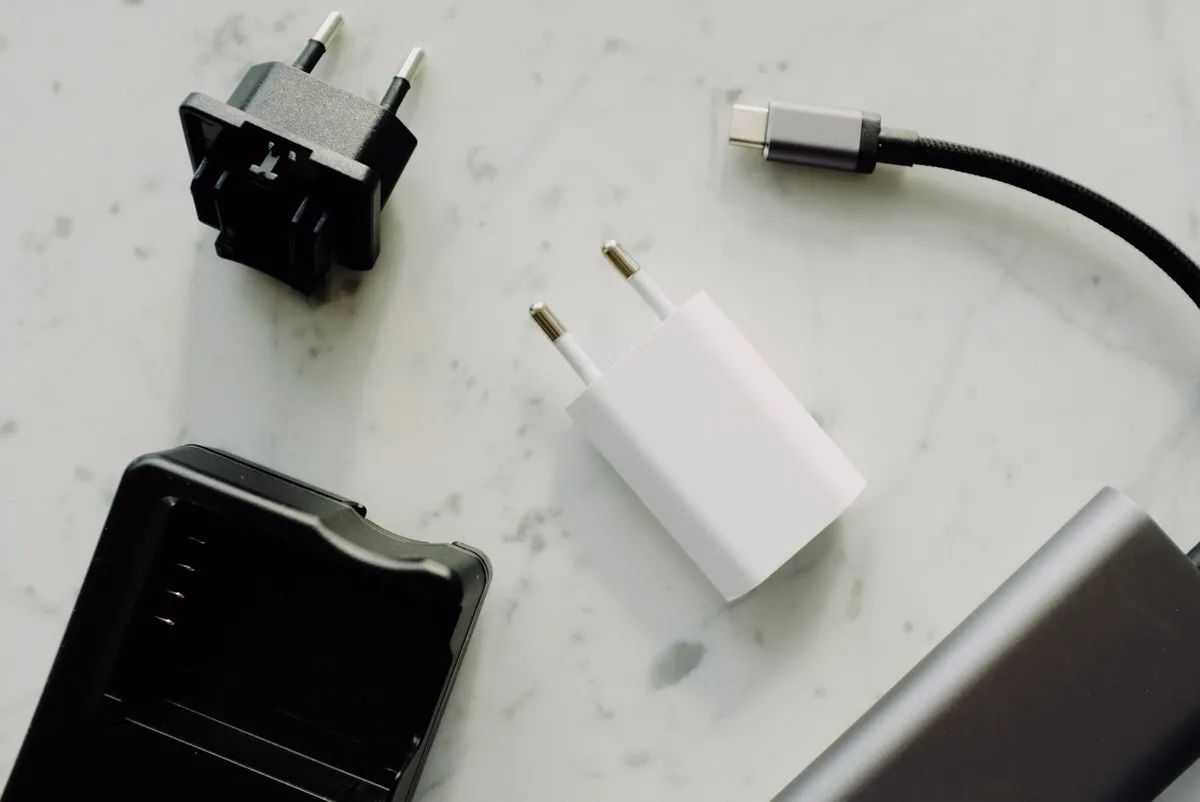
Check whether the destination requires a plug adapter and verify the charger's input compatibility. An adapter does not convert voltage. Keep the equipment ventilated as instructed by the manufacturer, and do not cover charging devices with clothing simply to hide the cable clutter.
A phone, a watch and a camera
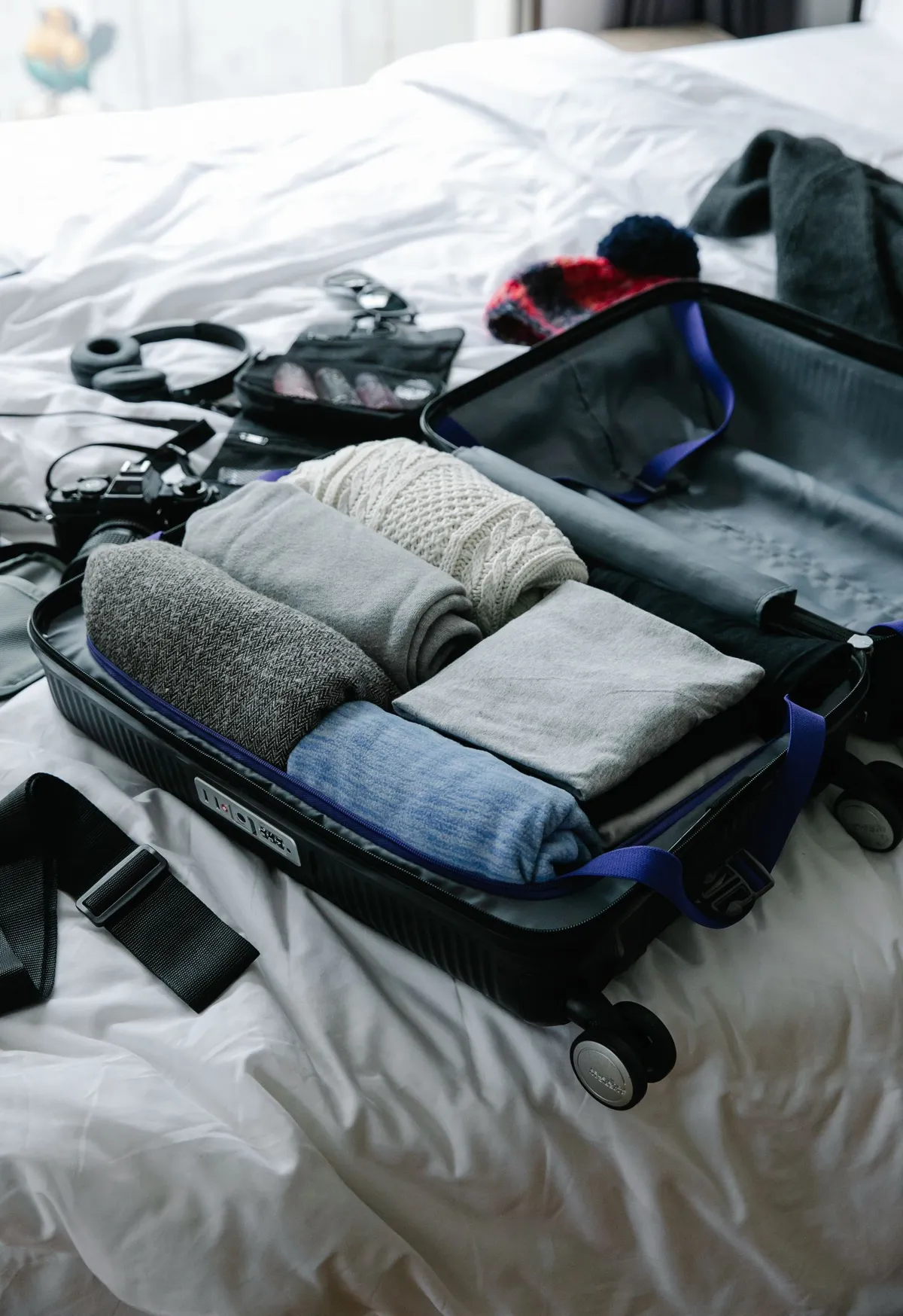
This three-device combination illustrates why counting plugs is not enough. The phone may use a standard cable, the watch may need its own charging puck, and the camera may use a removable battery charger or support charging in the body. Check the actual models. A charger with several ports only helps if each required cable and power arrangement is compatible.
Sketch an overnight sequence: charge the camera battery while you are awake and organizing photographs, then charge the phone and watch according to their instructions. You may not need every item connected simultaneously. If the camera requires an additional charger, that is a real part of its luggage cost. Seeing the whole sequence can prevent buying a large multiport charger that still fails to replace the one specialist accessory you need.
Use a deliberate spare
A spare cable for the phone may be worthwhile if the phone holds most of your travel information. Carrying duplicates for every accessory is a different decision. Consider how inconvenient a failure would be and whether a replacement could be obtained during the trip. Prioritize the connections that support essential communication and navigation.
Coil cables loosely without forcing sharp bends and keep them away from loose keys or other objects that can damage connectors. Label similar cables only if it helps you distinguish their use. At the end of a trip, remove anything that was carried by mistake and inspect the items you will reuse. A small tested kit with an intentional backup is easier to manage than a dense pouch of uncertain extras.